
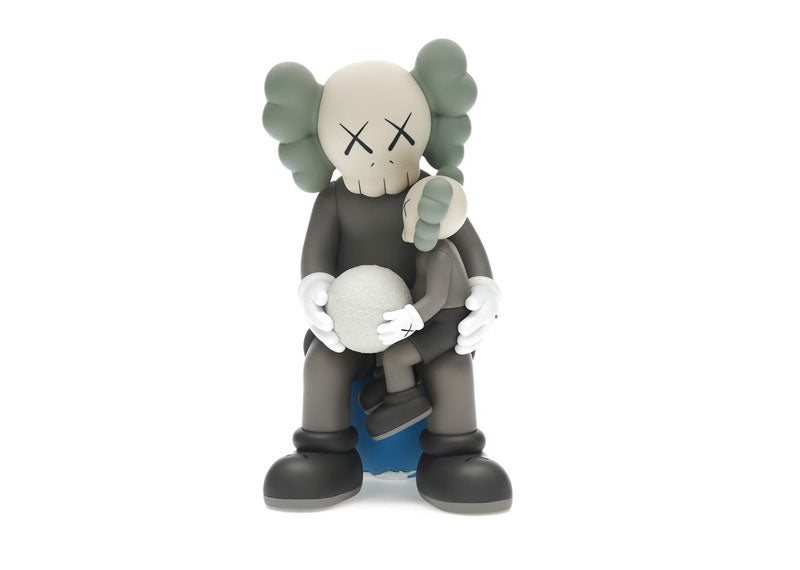

Why Kaws Art Defines Modern Collecting
KAWS (Brian Donnelly) bridges the gap between street art and the fine art world. Born in Jersey City in 1974, he started by modifying billboards in New York City with his signature "Companion" character. Today, his work is recognized globally, blending pop culture references with high-end artistic techniques.
His appeal lies in the visual language of his figures. The crossed-out eyes and cartoon-like forms are instantly recognizable, yet the execution involves complex sculpting and vibrant acrylic paintings. This duality allows his pieces to fit into both urban interiors and traditional gallery settings.
Collecting KAWS art is about acquiring pieces that hold both cultural weight and aesthetic value. His sculptures and paintings are not just decorative objects; they are artifacts of a movement that redefined how street art is consumed and valued in the modern market.
10 Essential Kaws Art Figures and Paintings for Your Collection
KAWS figures and paintings blend pop culture iconography with striking visual aesthetics, making them highly sought-after collectibles. This guide curates ten essential pieces, highlighting key design details and material quality to help you identify standout additions for your collection.
-

the original companion sculpture
The Four Foot Companion (Grey) stands as the definitive entry point into Kaws’s universe. This large-scale vinyl figure captures the iconic silhouette with its signature crossed-out eyes and gloved hands. The matte grey finish emphasizes the sculptural form against any backdrop, making it a striking centerpiece. Collectors prize this version for its balance of street art energy and gallery-ready polish. -
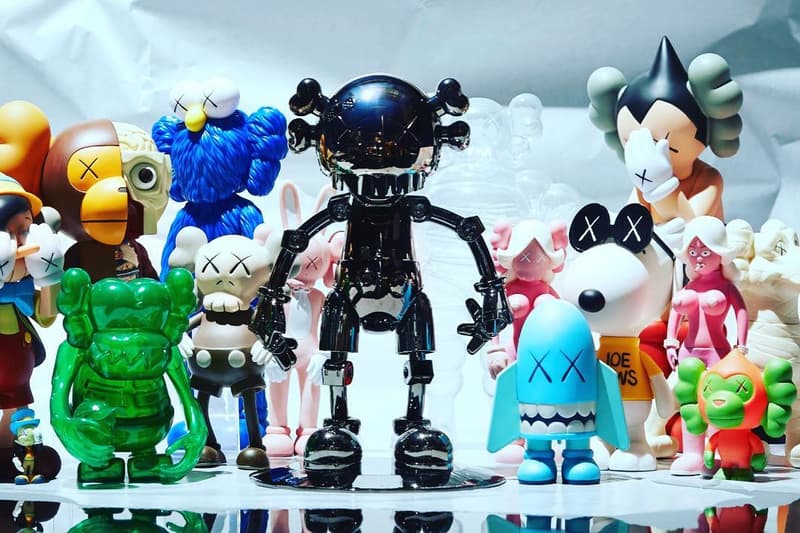
companion (hole) edition
The Companion (Hole) edition transforms the familiar figure into a study of negative space. By removing the torso and replacing it with a void, Kaws challenges the viewer’s perception of volume and presence. This stark, minimalist approach highlights the head and limbs, creating a haunting visual contrast. It appeals to collectors seeking a more abstract, architectural interpretation of the classic character. -

companion (dissected) figure
The Dissected Companion offers a visceral, anatomical look at the character’s construction. Painted in deep black, the figure reveals internal structures and mechanical joints beneath the skin. This surgical aesthetic adds a layer of complexity, suggesting the inner workings of the icon. The monochromatic palette enhances the dramatic lighting, making it a bold statement piece for serious collectors. -

chum (friend) sculpture
Chum (Friend) introduces a playful, rounded aesthetic distinct from the standard Companion. This sculpture features a softer, more approachable form with exaggerated proportions that evoke childhood toys. The vibrant color palette and whimsical design make it a standout addition to any display. It captures the essence of friendship through its open, inviting posture, appealing to those who appreciate Kaws’s lighter side. -
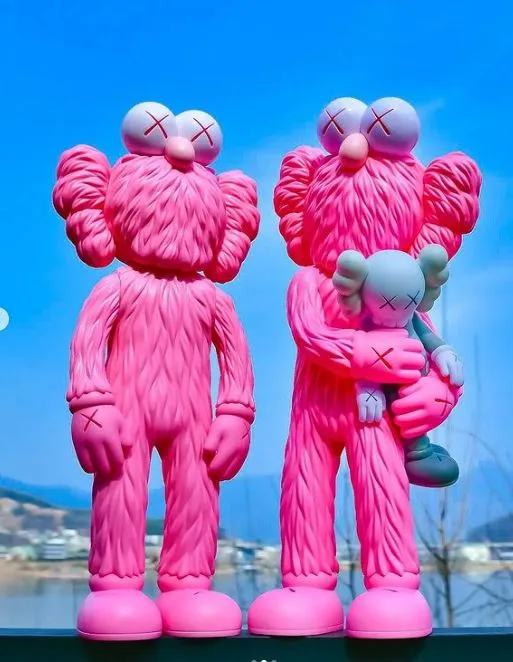
bff (best friend forever) figure
The BFF (Best Friend Forever) figure celebrates connection through its dual-head design. Two identical faces share a single body, symbolizing unity and companionship. This unique configuration creates a dynamic visual rhythm that draws the eye upward. The glossy finish and vibrant hues make it a cheerful, eye-catching piece that embodies the spirit of enduring friendship in Kaws’s artistic lexicon. -
companion (open edition) print
This accessible entry point into Kaws’s visual language offers a screen-printed interpretation of his iconic character. The open edition status ensures availability for new collectors, featuring bold outlines and signature X-ed eyes against a clean background. It captures the essence of his street art roots while providing a manageable scale for home display. The flat, graphic nature makes it a versatile addition to any modern interior space. -
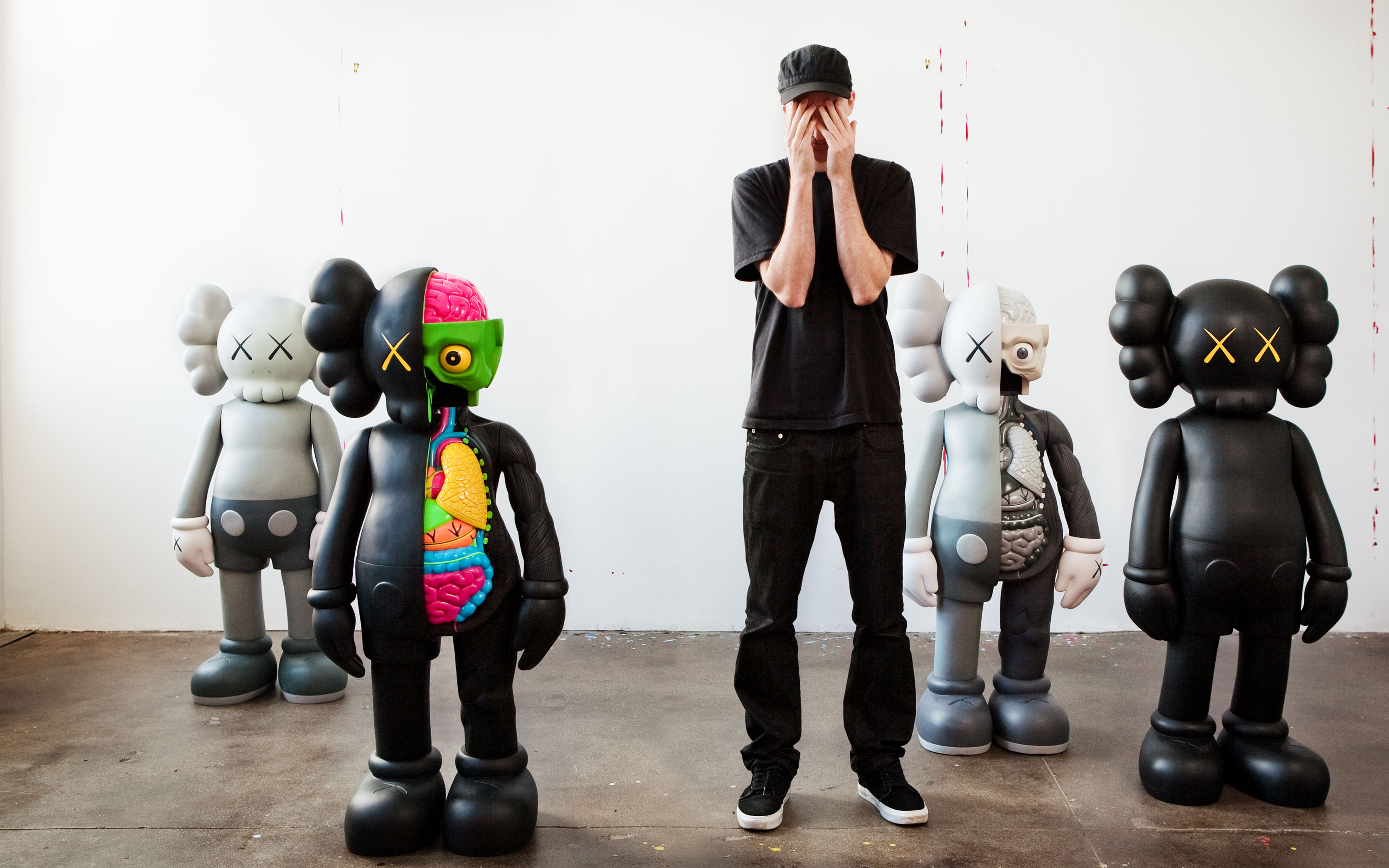
companion (close) painting
This painting presents an intimate, cropped view of the Companion, focusing on the character’s face and upper torso. Kaws employs his signature cross-hatching and vibrant color palette to create texture and depth. The close framing eliminates environmental context, forcing the viewer to confront the emotional ambiguity of the figure. It serves as a striking focal point, blending pop culture aesthetics with traditional oil painting techniques. -

companion (peephole) sculpture
The Peephole sculpture invites physical interaction, featuring a hollow cavity that allows viewers to peer inside the figure. This design element transforms passive observation into an active experience, revealing the internal structure or hidden details within. Cast in durable vinyl or resin, the piece maintains the character’s recognizable silhouette while adding a tactile dimension. It bridges the gap between collectible toy and contemporary art installation. -
companion (hanging) figure
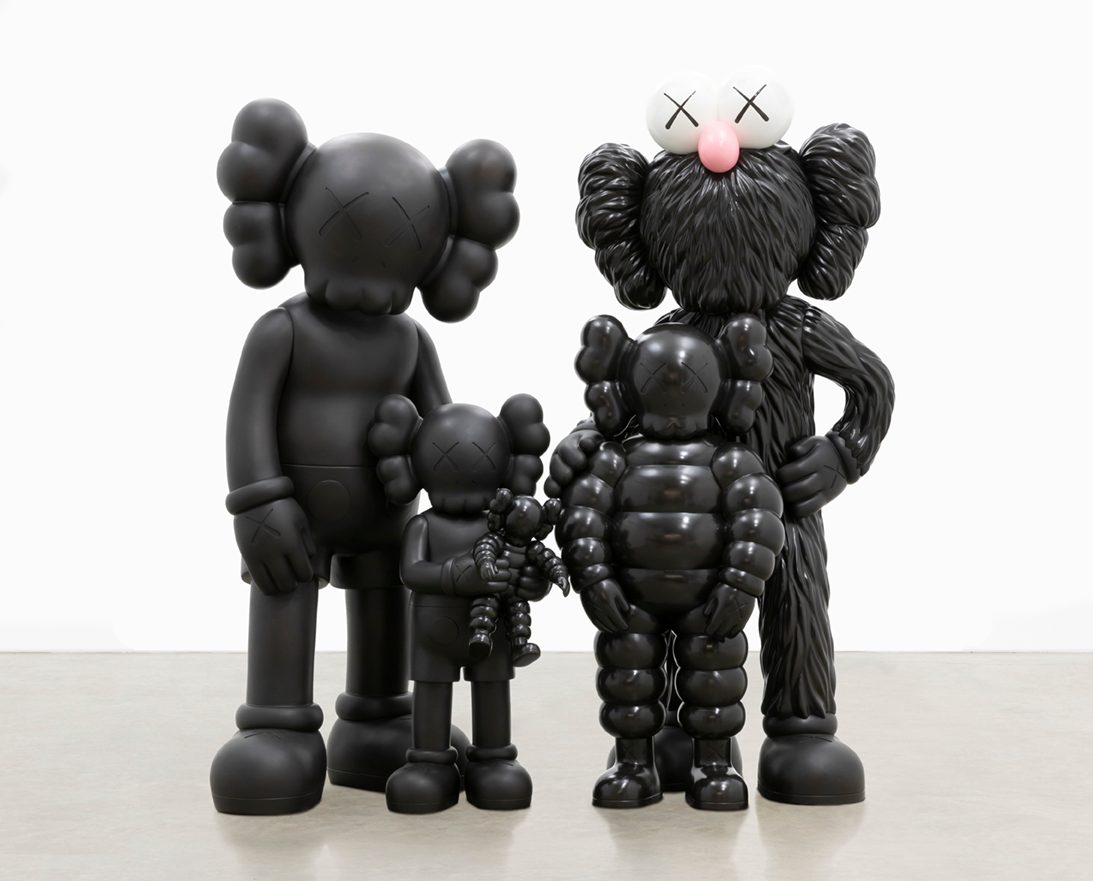
Defying gravity, this suspended figure challenges conventional display methods by hanging from the ceiling or a wall mount. The pose often suggests weightlessness or abandonment, enhancing the narrative of isolation common in Kaws’s work. Its three-dimensional form casts dynamic shadows, changing the visual impact based on lighting and viewing angle. This unconventional orientation adds movement and tension to a static room, making it a conversation starter. -

companion (friend) large scale
Commanding attention with its monumental size, this large-scale Companion dominates the space with sheer presence. The exaggerated proportions emphasize the character’s iconic features, such as the skull-like head and crossed hands. Typically crafted from high-quality fiberglass or bronze, the piece offers durability and a premium finish. It serves as a bold statement piece, anchoring a gallery wall or living area with its powerful, recognizable silhouette.
How to start your Kaws art collection
Building a collection of Kaws art requires a focus on authenticity and provenance. Because the market for his iconic Companion figures and paintings is active, buying from reputable sources is the only way to ensure you are acquiring genuine work. Always verify the piece through official galleries, established auction houses like Christie's or Sotheby's, or verified secondary market platforms that provide detailed certificates of authenticity.
When sourcing pieces, look for clear documentation of the work's history. For vinyl toys and sculptures, check for original packaging, holographic stickers, and serial numbers that match the edition. For paintings and prints, request a provenance trail that links back to the artist’s studio or authorized dealers. This paper trail is as important as the visual appeal of the piece itself.
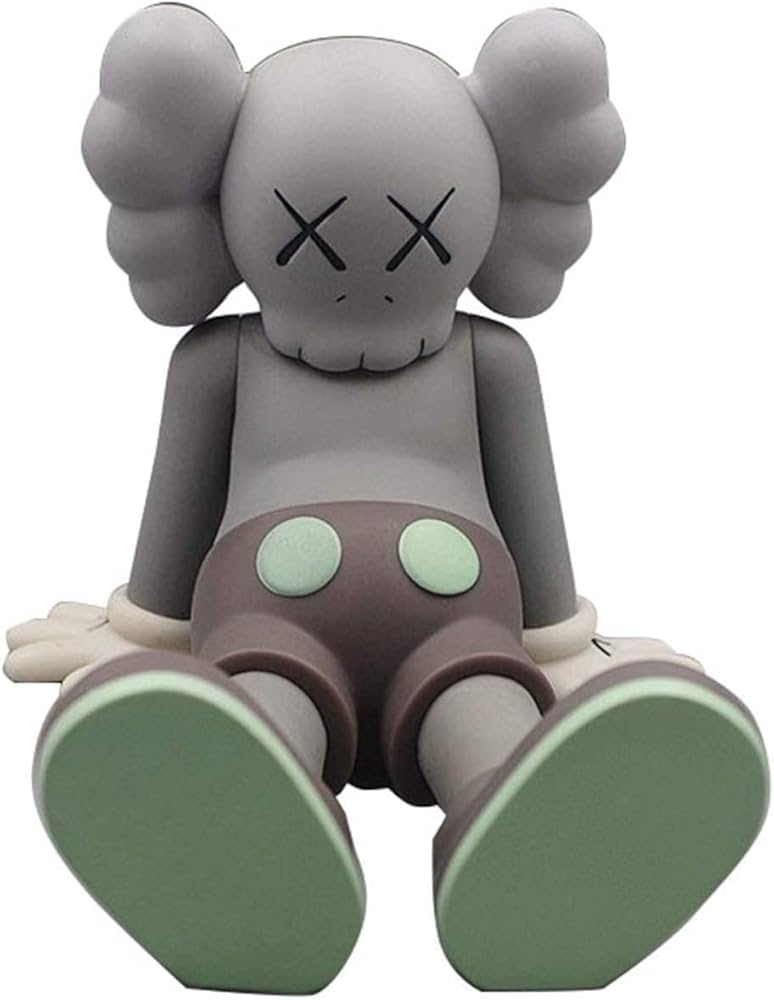
Displaying Kaws art involves balancing its pop-art origins with gallery-worthy presentation. His figures often feature exaggerated proportions and signature crossed-out eyes, which demand space to breathe. Use neutral lighting to highlight the textures of the vinyl or paint without creating glare that obscures the character's facial expressions. Grouping multiple figures can create a powerful visual statement, but ensure each piece has enough room to be appreciated individually.


As an Amazon Associate, we may earn from qualifying purchases.
Frequently Asked Questions About Kaws Collectibles
How do I verify the authenticity of a KAWS figure? Authentic KAWS pieces, such as the Companion figures, feature high-quality vinyl or resin construction with distinct paint applications. Look for official packaging, holographic stickers, and specific artist signatures or edition numbers printed on the base. Purchasing from authorized retailers or certified secondary market platforms reduces the risk of acquiring counterfeit items that often have poor molding details and faded colors.
What is the best way to care for my Kaws art pieces? Vinyl and resin figures are sensitive to direct sunlight, which can cause the vibrant colors to fade or the material to become brittle over time. Store your collection in a cool, dry environment away from UV exposure. Use a microfiber cloth to gently dust the surfaces; avoid harsh chemical cleaners that might damage the paint finish or degrade the material.
Are Kaws paintings a good investment? The value of KAWS paintings and limited-edition prints fluctuates based on rarity, condition, and market demand. While some pieces have appreciated significantly, art investment carries inherent risks. Collectors often focus on the visual impact and personal connection to the work rather than treating it solely as a financial asset. Always consult professional appraisers or auction house records for current market valuations before making significant purchases.
No comments yet. Be the first to share your thoughts!