
KAWS Announces 2026 Retrospective
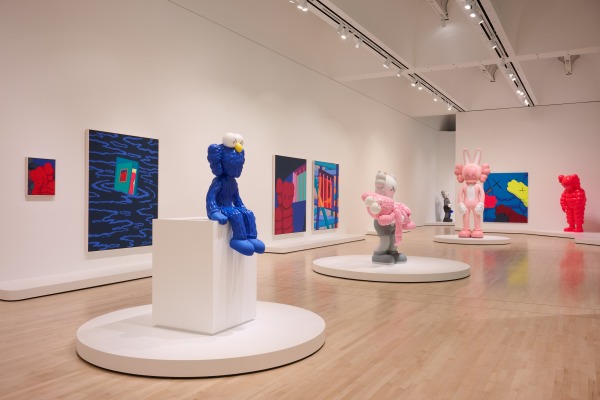
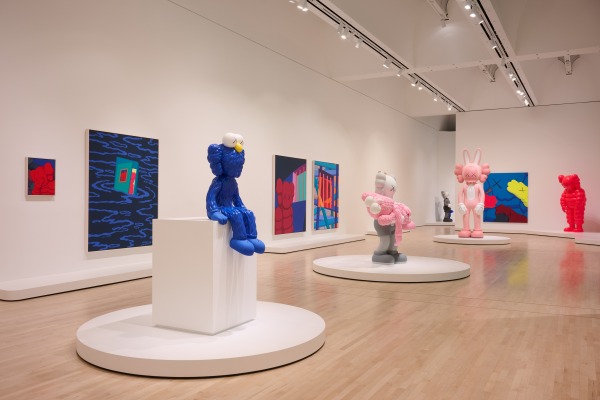
KAWS has announced a major retrospective of his work, opening in 2026 at the Nasher Museum at Duke University. The exhibition offers a comprehensive look back at a career that has redefined the boundaries between fine art and popular culture.
KAWS’s influence is undeniable, with his work commanding high prices at auction and collaborations consistently selling out. He has moved beyond being a "street art" figure to become a globally recognized artist whose pieces are collected by institutions and individuals alike. The retrospective promises to solidify his position in art history.
The exhibition will span multiple decades of his practice, offering a complete overview of his artistic development. Expect pieces that demonstrate his signature style, blending playful imagery with poignant commentary, allowing seasoned collectors and newcomers alike to understand the breadth of KAWS’s vision.
From Graffiti to Global Icon
KAWS, born Brian Donnelly in 1974, started as a graffiti artist in Jersey City, New Jersey, in the early 1990s. He described graffiti as “almost like a sport I fell into and was good at,” emphasizing the initial thrill and dedication it demanded. It was a dedicated practice, a way to engage with the urban landscape.
This early experience profoundly shaped his aesthetic. The act of taking art to the public, bypassing traditional gatekeepers, instilled a rebellious spirit that continues to inform his work. He began to subtly alter existing advertising, adding his own tags and interventions. This playful disruption of the everyday would become a hallmark of his style.
Donnelly pursued a BFA in graphic design at Pratt Institute in Brooklyn, providing a formal foundation to complement his street art background. While at Pratt, painting remained his primary focus. This blend of self-taught street skills and academic training shaped his unique approach.
His early sculptures in the late 1990s, often made from found objects and painted in vibrant colors, signaled a shift toward three-dimensional work and a growing interest in creating characters and narratives.
The COMPANION: A Defining Figure
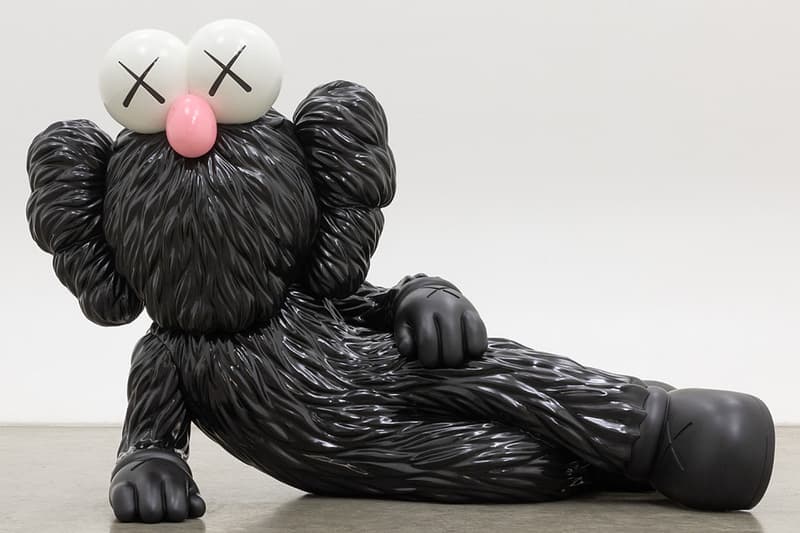
If there’s one image synonymous with KAWS, it’s the COMPANION. This figure, often depicted with crossed-out eyes, has become his most recognizable creation. It first appeared in 1999 and quickly transcended its origins as a toy design to become a powerful symbol in contemporary art. But why does it resonate so deeply with audiences?
The COMPANION’s appeal lies in its ambiguity. Its melancholic expression and seemingly absent eyes evoke loneliness and introspection, inviting viewers to project their own emotions and experiences onto it. Whether it represents sadness, vulnerability, or quiet acceptance is up to the individual.
The COMPANION has taken on countless forms, rendered in vinyl, wood, bronze, and fiberglass, in sizes ranging from a few inches to monumental public installations. KAWS has experimented with different colors, poses, and accessories, constantly reimagining the character while maintaining its core identity, with both readily available 'Open Edition' Companions and limited-edition pieces fetching substantial sums.
The crossed-out eyes are particularly significant. Some interpret them as commentary on consumer culture and the bombardment of images, while others see them as a metaphor for our internal struggles and the search for meaning. The COMPANION is a complex and thought-provoking work of art, reflecting our own humanity, flaws and all.
- Vinyl COMPANION: The most widely produced and accessible version.
- Bronze COMPANION: Highly sought-after by collectors due to its limited availability and material.
- Grey COMPANION: One of the earliest and most iconic colorways.
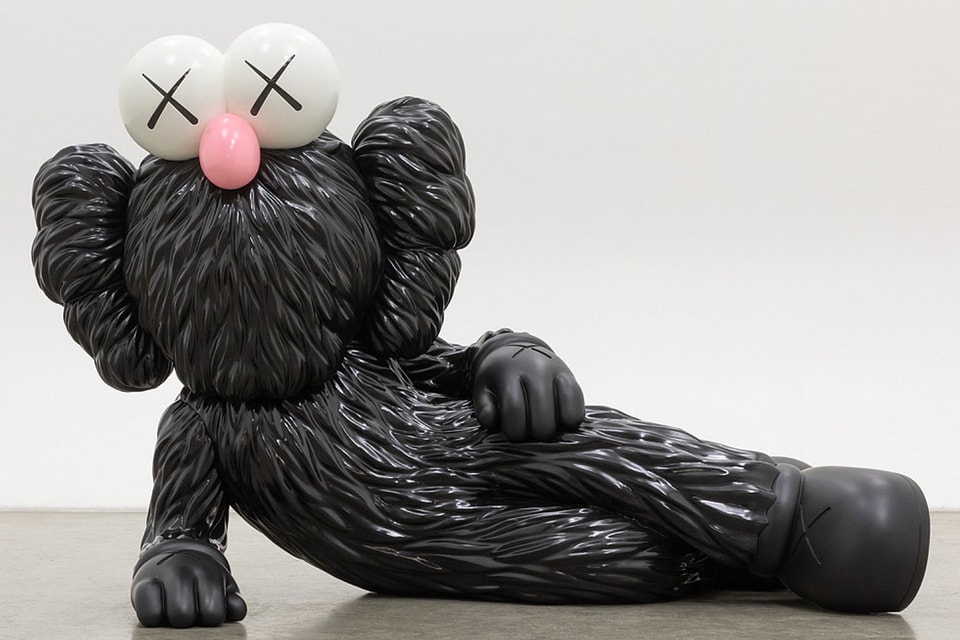
- Black COMPANION: A darker, more somber interpretation of the figure.
Companion Evolution
- Companion (1999) - The very first iteration of KAWS’s most recognizable figure, initially produced as a limited-edition vinyl toy. These early Companions were relatively small-scale and marked the beginning of KAWS’s exploration of appropriation and character design.
- Companion Restrained (2005) - This version introduced the ‘X’d out eyes’ – a signature KAWS motif representing censorship and inner conflict. Companion Restrained was released in various colorways as a vinyl collectible.
- Passing Cloud (2013) - A large-scale fiberglass sculpture depicting Companion holding a smaller, cloud-like Companion. This piece signified a shift towards monumental sculpture and explored themes of protection and vulnerability.
- Along the Way (2015) - Another significant fiberglass sculpture, Along the Way features Companion holding a smaller Companion in a seated position, further developing the themes of mentorship and companionship.
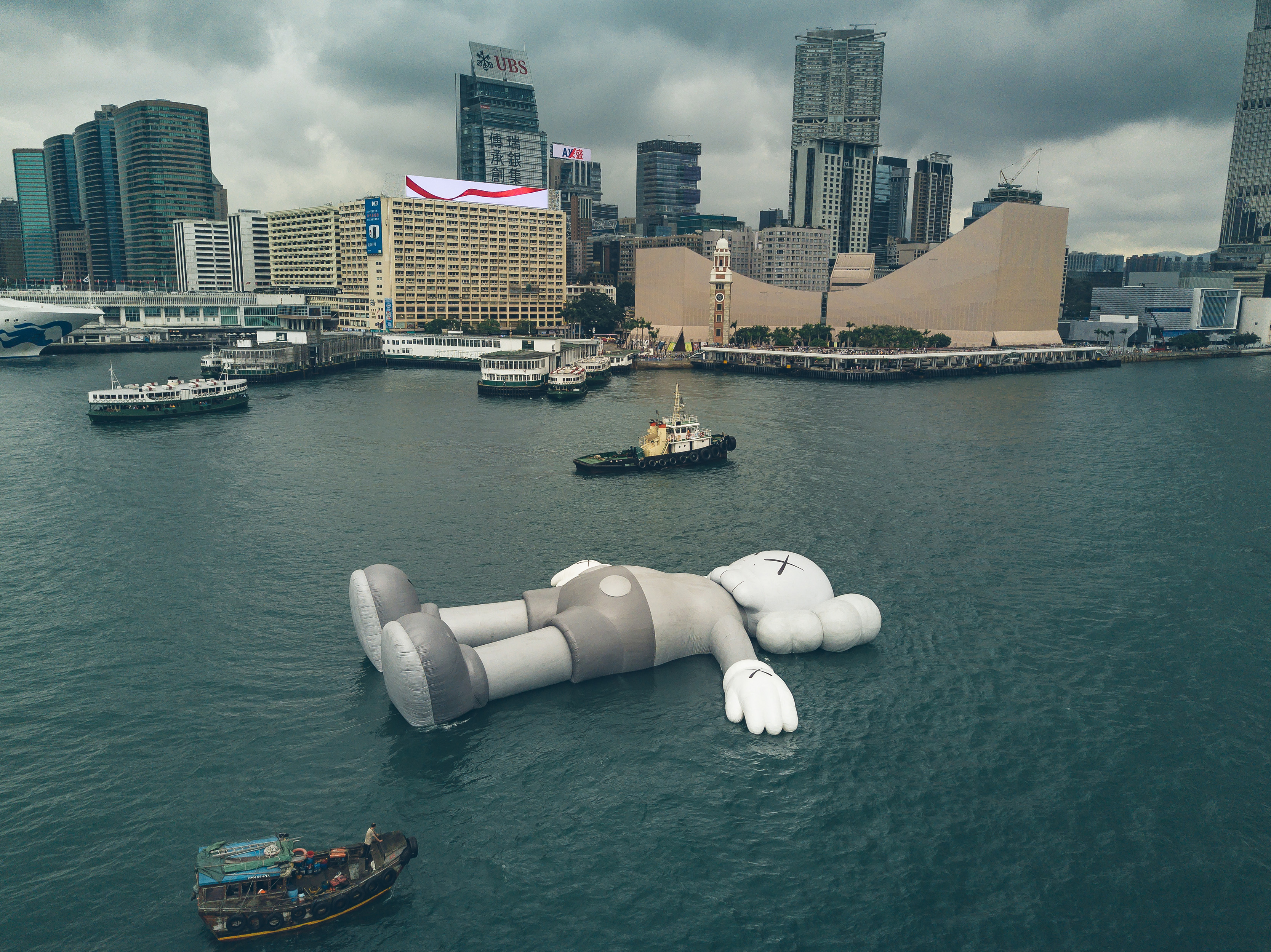
- KAWS:HOLIDAY (2018-2021) - A series of inflatable Companion sculptures exhibited in various cities globally, including Hong Kong, Taipei, and Japan. These large-scale installations brought KAWS’s work to a wider public audience.
- KAWS x Dior (2019) - A collaborative collection with Dior, featuring KAWS’s signature motifs incorporated into Dior’s clothing and accessories. This partnership brought KAWS’s art into the world of high fashion.
- Expanded House (2022) - A painted canvas work demonstrating KAWS’s continued exploration of the Companion figure within a painterly context. This piece features the signature ‘X’s’ and a deconstructed architectural element.
Beyond COMPANION: Expanding the Universe
KAWS’s artistic universe extends beyond the COMPANION. Characters like Chum, a blob-like creature with similar crossed-out eyes, and Accomplice, a more abstract and fragmented form, are also recurring motifs. These represent different facets of his artistic exploration.
A consistent element across his work is the use of "X’s" for eyes, a visual signature instantly recognizable as KAWS. The 'X' deconstructs the traditional representation of the human face, adding a layer of alienation and detachment. It’s a subtle but powerful gesture.
These recurring elements create a cohesive aesthetic language that ties his paintings, sculptures, and other works together, providing a sense of continuity and interconnectedness even as he experiments with different forms and materials. He constructs a world with its own internal logic and mythology.
Collaborations and Cultural Impact
KAWS has collaborated with brands across various industries, bringing his aesthetic to a wider audience. His partnership with Dior, resulting in a collection of clothing and accessories released in 2019, featured his signature characters integrated into classic Dior designs.
He has also collaborated with Uniqlo on several occasions, creating affordable t-shirts and apparel featuring his artwork. These collaborations demonstrate his willingness to engage with popular culture and break down barriers between high art and consumerism. His Nike collaborations, particularly on Air Jordan 1s, are popular with sneaker collectors.
These partnerships blur lines between fine art and commercialism, raising questions about authenticity and value. Some critics argue these collaborations dilute his artistic integrity, while others see them as a savvy way to reach new audiences and challenge conventional notions of art.
Painting as Foundation
Despite his fame for sculptures and toys, KAWS consistently returns to painting, which remains a central focus of his practice. He reflected that when he was in school, his mind would be on painting. Painting is the foundation upon which his entire artistic vision is built.
His painting style uses appropriation and layering. He borrows imagery from cartoons, pop culture, and art history, then recontextualizes it through his own unique lens. He manipulates and deconstructs these images, adding layers of paint and texture to create depth and complexity.
The paintings often serve as studies for his sculptures but also stand on their own as compelling works of art. They explore themes of loneliness, alienation, and the search for identity in a different visual language, demonstrating his versatility and commitment to pushing the boundaries of his practice.
What to Expect in 2026
Given KAWS’s career trajectory, the 2026 retrospective will likely focus on the COMPANION, with examples spanning its various iterations and materials. Expect to see early graffiti works, demonstrating his origins and initial artistic explorations.
His paintings will likely be well-represented, offering a comprehensive overview of his painting style and evolution. Large-scale sculptures, like the COMPANION installations seen in public spaces, will probably be included. It's possible new works created specifically for the retrospective will be shown.
Given the museum’s focus on contemporary art, the exhibition will likely emphasize the conceptual and cultural significance of his work, exploring themes of consumerism, identity, and the blurring lines between art and commerce central to KAWS’s practice. It will be fascinating to see how the museum interprets and contextualizes his work for a new generation of viewers.
KAWS’s Place in Art History
undefined world (en.wikipedia.org).
He’s often categorized as a Pop Surrealist, drawing inspiration from artists like Takashi Murakami and Jeff Koons. However, his work also exhibits a unique sensibility that sets him apart. He's successfully navigated the art market while maintaining a distinct artistic vision.
His legacy is likely to be one of accessibility and innovation. He’s made contemporary art more approachable for a wider audience, while simultaneously pushing the boundaries of what art can be. He's a figure who will undoubtedly continue to inspire and provoke debate for years to come.
No comments yet. Be the first to share your thoughts!