

A first look at the new paintings
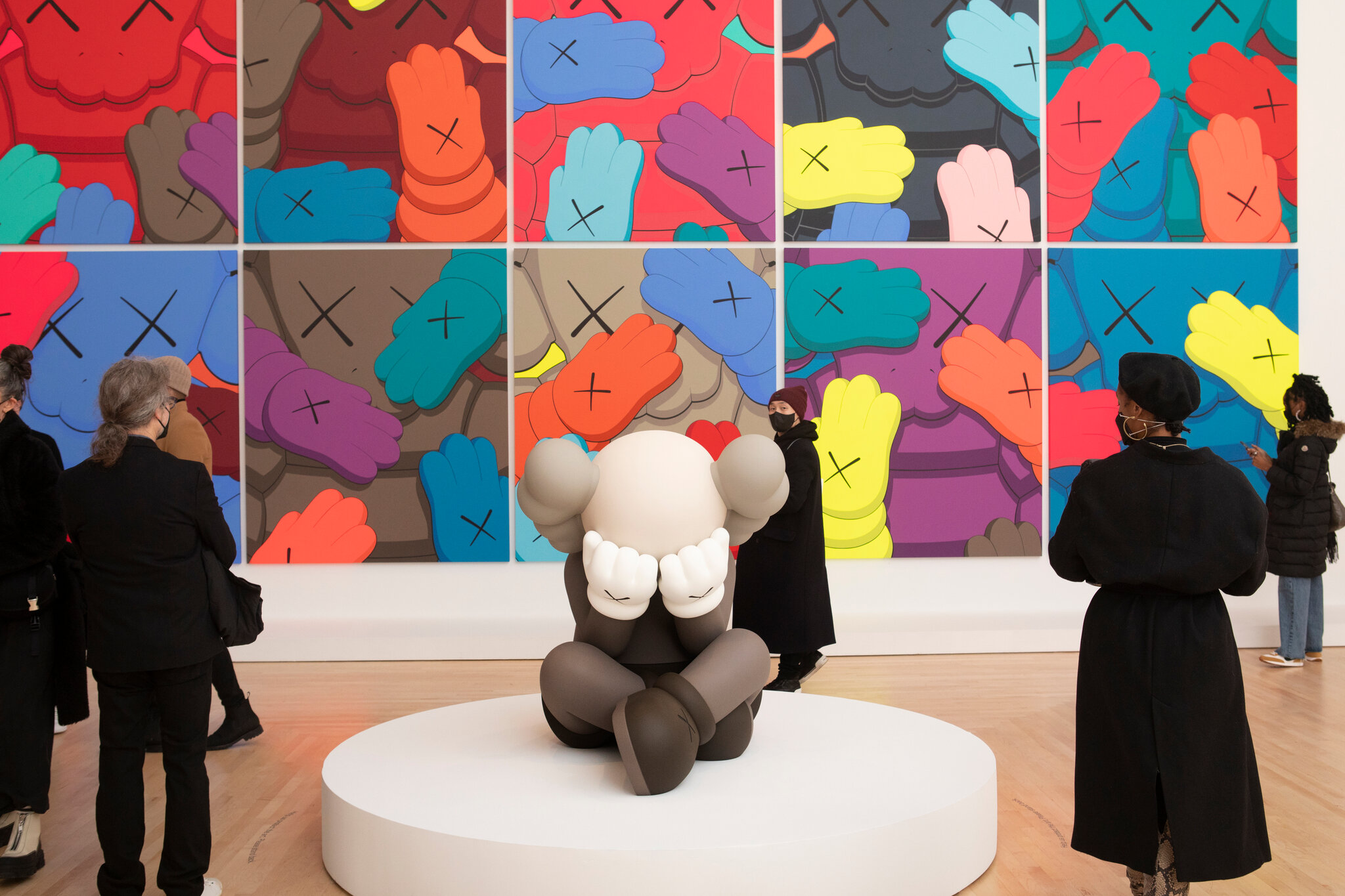
In 2026, a new collection of Kaws paintings debuted, immediately drawing attention for a subtle shift in tone. The works aren’t a radical departure, but a refinement of established themes. There’s a greater emphasis on negative space, and a noticeable softening of edges compared to earlier pieces. The familiar figures are present, but they feel…quieter.
The initial impression isn’t one of shock or surprise, but of a deepening emotional resonance. The paintings aren’t shouting for attention; they’re inviting contemplation. The scale is consistent with his recent work—largely monumental canvases—but the impact feels more internal, less about sheer visual force. It’s a move toward introspection, a feeling that Kaws is turning his gaze inward.
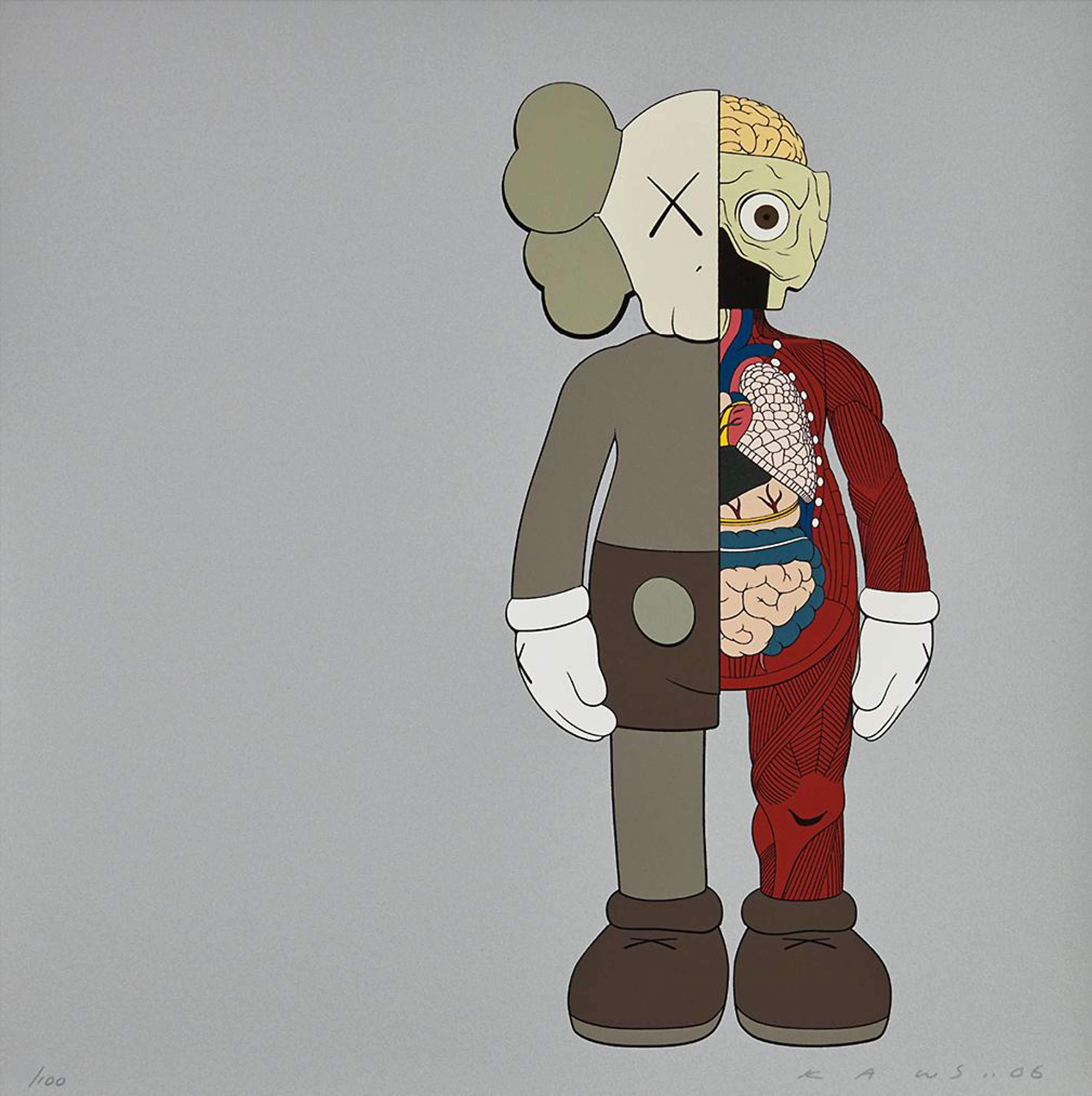
The 2026 collection centers on the Companion, though abstract cartoon backgrounds now break up the space. I noticed the palette stays mostly gray and black, but there are peach and rose tones that weren't there before. It's a small change that makes the canvases feel less cold.
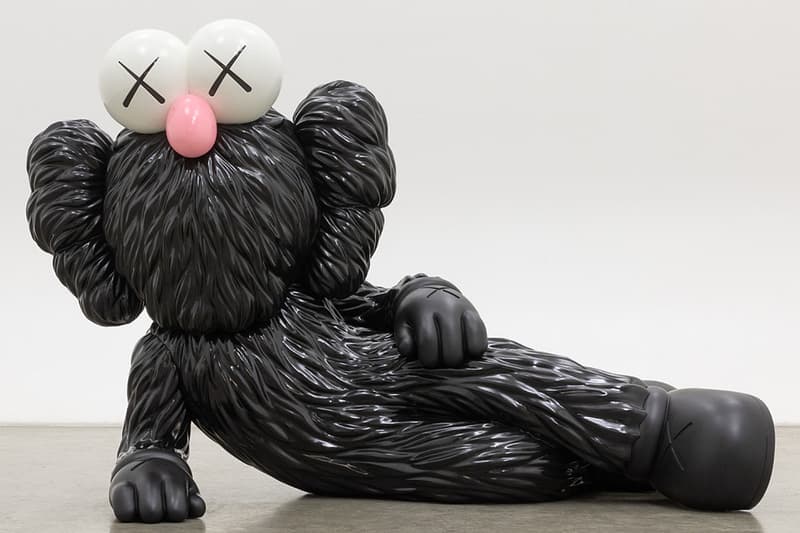
How the companion has changed
Companion is undeniably the central figure in Kaws’ artistic universe. Its origins lie in the graffiti scene of the 1990s, as Kaws himself described, waking up wanting to paint and falling asleep thinking about it. The figure began as a playful subversion of Mickey Mouse, a way to engage with pop culture while simultaneously critiquing it. Early iterations were raw and energetic, reflecting the immediacy of street art.
Over time, Companion evolved. It moved from walls to sculptures, then to canvases, and with each transition, it gained layers of meaning. The X-ed out eyes, initially a simple graphic element, became a symbol of vulnerability and existential angst. The figure's posture, often hunched or dejected, conveyed a sense of loneliness and isolation. The jsma.uoregon.edu archive notes Kaws’ consistent focus on painting, even during the height of his toy production.
In the 2026 paintings, Companion appears less overtly melancholy. The posture is still somewhat subdued, but there’s a sense of acceptance, even peace. The figure seems to be less actively suffering and more…observing. The surrounding environments also play a role, offering a sense of context and perhaps even solace. It’s as if Companion has come to terms with its own existence, and is now simply being.
This isn't to say the character has lost its emotional weight. It’s more that the emotional register has shifted. The raw pain of earlier works has been replaced with a quieter, more nuanced sadness. This evolution mirrors Kaws’ own artistic journey, a move from youthful rebellion to mature reflection.
New colors and empty spaces
The shift to warmer pastels like lavender and rose is a departure from the strictly muted tones of his 2022 work. These colors change the mood from stark isolation to something more like quiet reflection.
Compositionally, there’s a greater emphasis on negative space. The figures aren’t always centrally located; they often occupy a smaller portion of the canvas, allowing the surrounding emptiness to breathe. This creates a sense of isolation and vulnerability, but also a feeling of openness and possibility. It’s a clever way to draw the viewer's eye to the figure while simultaneously emphasizing its solitude.
Compared to paintings from 2020 and 2022, the 2026 works feel less cluttered. There’s a reduction in the number of background elements, and a greater focus on essential forms. This streamlining of composition allows the viewer to focus on the core themes of the painting—loss, longing, and the search for meaning. The artnet.com database shows a consistent demand for works that demonstrate this compositional restraint.
The placement of the Companion figure frequently evokes a sense of internal struggle. Often partially obscured or fragmented, the figure’s form is rarely presented in its entirety. This technique reinforces the idea of a fractured identity, a theme that has been central to Kaws’ work for years.
Texture and Technique: A Closer View
The texture of the 2026 paintings is remarkably subtle. Kaws continues to employ a layering technique, building up thin washes of paint to create depth and dimension. However, the brushstrokes are less visible than in some of his earlier works. The surface appears smoother, almost ethereal. This contributes to the overall sense of quietude and introspection.
There’s evidence of experimentation with new materials. While oil paint remains the primary medium, Kaws appears to be incorporating acrylics and even some subtle textural elements—perhaps sand or gesso—to create a more varied surface. This is particularly noticeable in the background areas, where the texture becomes slightly more pronounced.
Kaws builds depth by letting thin washes of paint sit on top of one another. You can see the previous layers peeking through the surface, which gives the colors a history they wouldn't have if he just slapped them on directly.
It’s difficult to assess the exact techniques without being able to examine the paintings in person, but the overall impression is one of meticulous craftsmanship and a deep understanding of the properties of paint. The effect is a surface that is both visually appealing and emotionally resonant.
Graffiti Roots Revisited?
Kaws has often spoken about his origins in graffiti, and his early work was heavily influenced by the energy and immediacy of street art. As he recalled in his talk referenced by jsma.uoregon.edu, graffiti wasn't just a hobby; it was a consuming passion. The question is, does that influence resurface in the 2026 paintings?
While the paintings aren’t overtly “graffiti-style,” there are subtle hints of his past. The use of bold outlines, reminiscent of spray paint, is one example. The fragmented forms and deconstructed imagery also echo the aesthetic of street art. There’s a sense of raw energy beneath the surface of the paintings, a feeling that they could easily break apart or dissolve.
More significantly, the spirit of rebellion and subversion that characterized Kaws’ early work is still present. The Companion figure, with its X-ed out eyes and melancholic expression, can be seen as a symbol of resistance against conformity. The paintings aren’t simply beautiful objects; they’re statements about the human condition.
It’s not a literal return to graffiti, but a more subtle integration of its principles. Kaws isn’t trying to recreate his past; he’s building upon it, using his early experiences to inform his current work. The graffiti roots are there, but they’ve been refined and transformed into something new.
What collectors are paying
The initial market reaction to the 2026 Kaws paintings has been overwhelmingly positive. Sales on artsy.net were swift, with many pieces selling within hours of their debut. Prices have remained consistent with his established market value, with smaller works fetching upwards of $200,000 and larger canvases exceeding $1 million.
Critics have praised the paintings for their emotional depth and technical skill. Many have noted the subtle evolution of Kaws’ style, and the way he continues to push the boundaries of contemporary art. There has been some debate about whether the paintings represent a significant departure from his earlier work, but most agree that they are a natural progression.
Collectors seem particularly drawn to the paintings’ sense of quietude and introspection. In a world that is often chaotic and overwhelming, these works offer a moment of respite and contemplation. The muted color palettes and subtle textures create a calming and meditative atmosphere.
The strong market response suggests that Kaws remains one of the most sought-after artists of our time. His ability to connect with audiences on an emotional level, combined with his technical mastery, ensures his continued success.
No comments yet. Be the first to share your thoughts!