
Kaws' Digital Evolution: A New Canvas
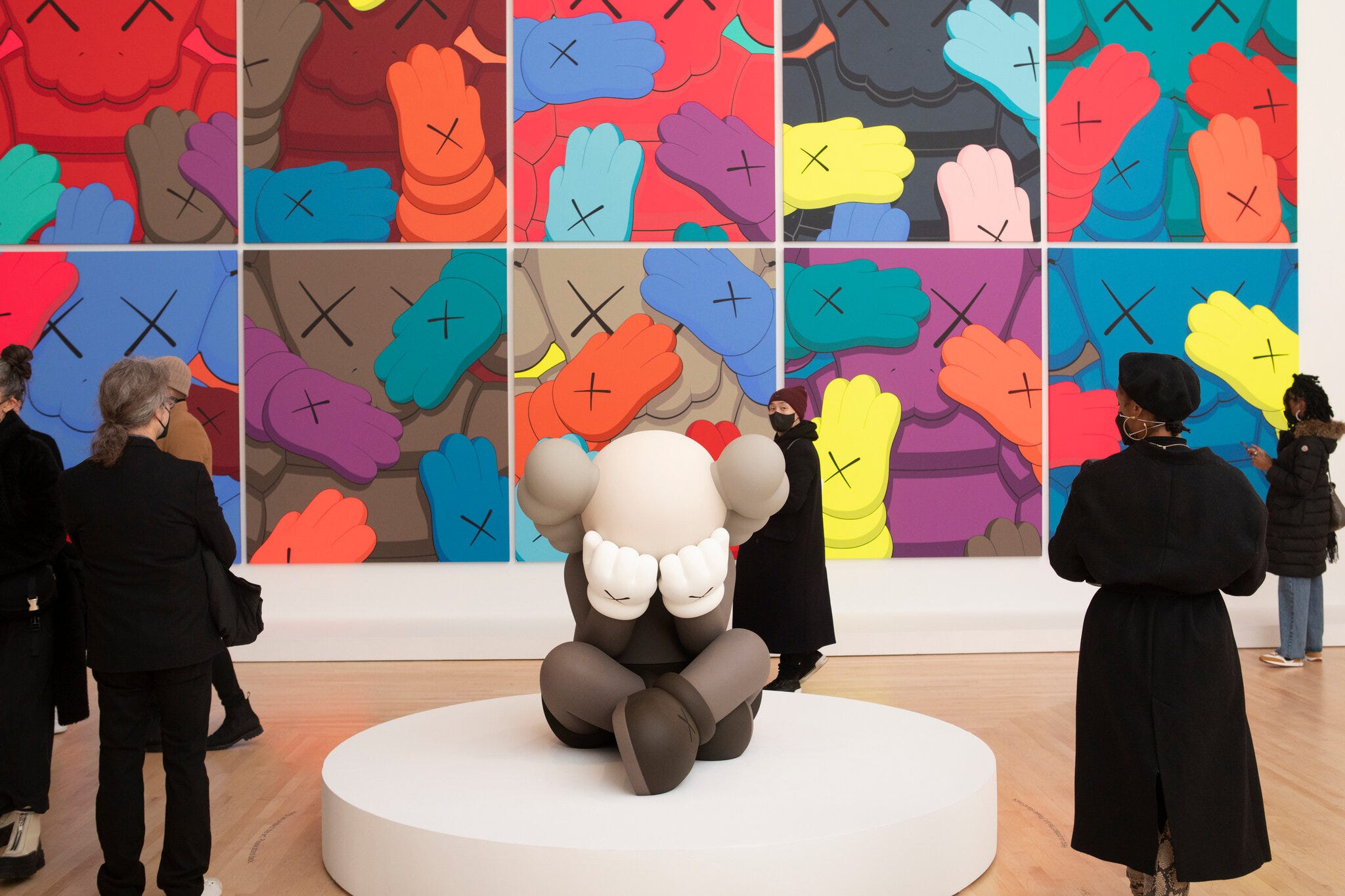
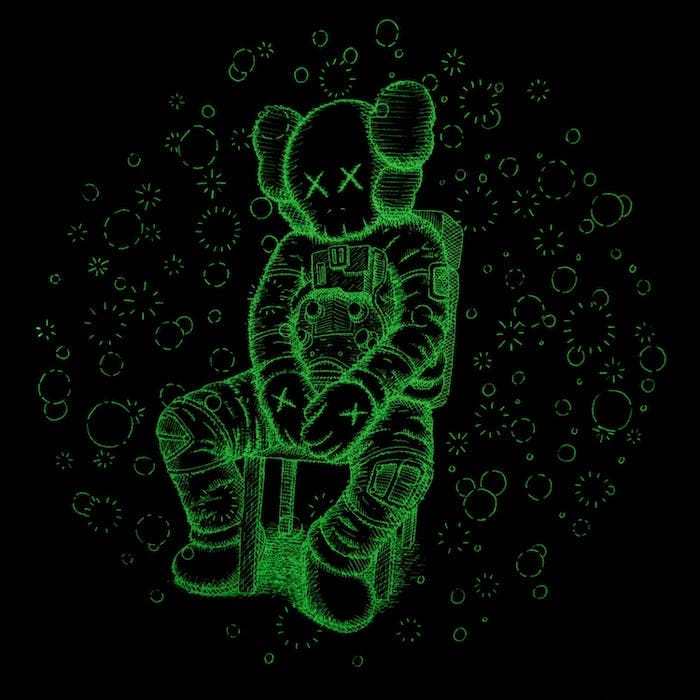
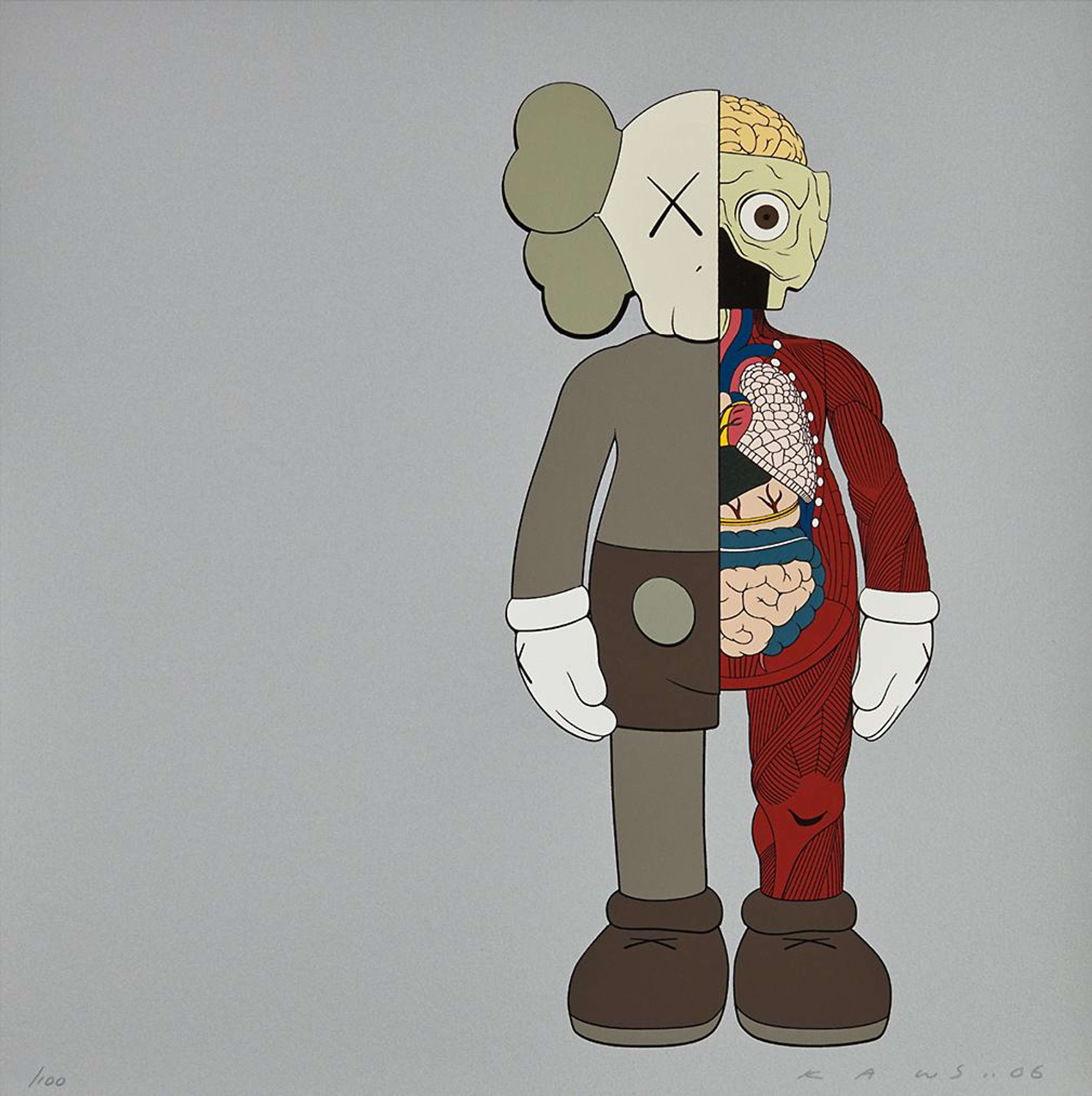
Brian Donnelly, known globally as KAWS, has always operated at the intersection of art and commerce. His work—characterized by playful yet melancholic figures, often featuring X’d-out eyes—began with graffiti and street art before transitioning into sculptures, paintings, and limited-edition collectibles. It’s a trajectory that feels remarkably suited to the digital realm. For years, KAWS has built a strong presence online, particularly on Instagram, using the platform to tease new projects and connect directly with fans.
This isn’t a sudden leap into the unknown, but a logical extension of his practice. He's already collaborated with brands like Dior and Uniqlo, demonstrating an understanding of how art can exist beyond gallery walls. The move towards NFTs and virtual galleries isn't about abandoning traditional forms, it's about adding new layers, reaching new audiences, and exploring possibilities that simply didn't exist before. It's about expanding what Kaws Art can be.
What’s exciting is the potential for interactivity and democratization. KAWS has always been popular, but access to his work has traditionally been limited by price and location. Digital art, and particularly NFTs, offer a way to bypass these barriers. While a physical KAWS sculpture can cost tens of thousands of dollars, a digital work could be accessible to a much wider range of collectors. This shift promises a more inclusive art world, and I believe KAWS is well-positioned to lead the charge.
NFTs: Ownership and Authenticity in the Digital Age
Non-fungible tokens, or NFTs, are essentially unique digital identifiers recorded on a blockchain. Think of it like a certificate of authenticity that can’t be forged. This is particularly relevant to KAWS Art, where the issue of counterfeits has long been a concern. Unlike a physical print, which can be copied, an NFT proves ownership of the original digital file. This verification is a game-changer.
The blockchain provides a transparent and immutable record of ownership, meaning every transaction is publicly visible and cannot be altered. This addresses a significant problem in the art world: the difficulty of verifying provenance. When you buy a KAWS NFT, you're not just buying an image, you’re acquiring a verifiable piece of digital history. The smart contracts associated with NFTs can also ensure that the artist receives royalties on secondary sales, something that isn’t always guaranteed with physical art.
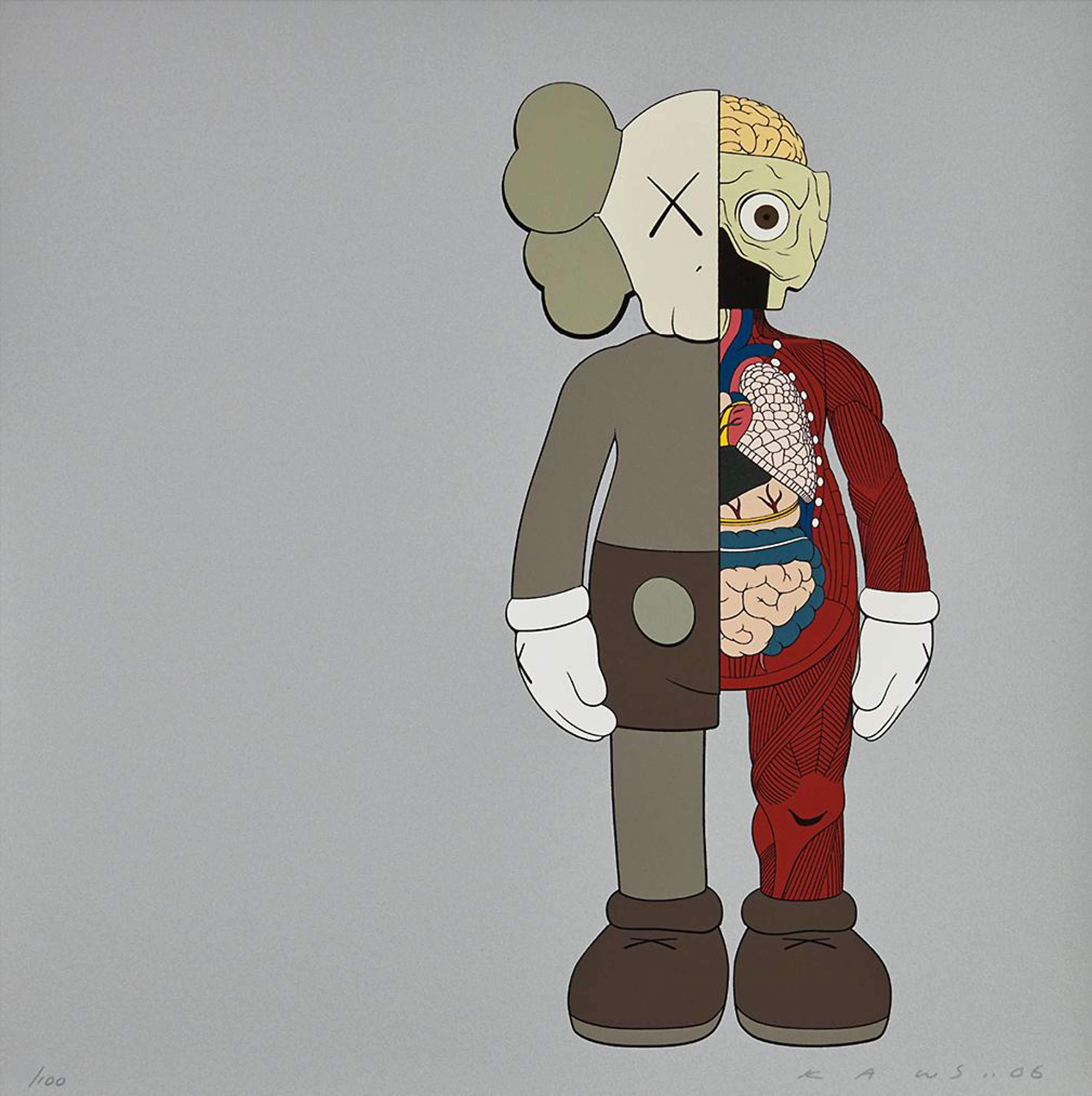
Masterworksfineart.com currently lists KAWS sculptures and screenprints, demonstrating the existing market for his physical work. NFTs create a parallel market, offering a new avenue for collectors and artists. While some were initially skeptical, the potential for NFTs to solve real problems—authenticity, provenance, and artist compensation—is becoming increasingly clear. It’s not simply a speculative bubble, it's a fundamental shift in how art is bought, sold, and owned.
Virtual Galleries: Beyond Physical Walls
The rise of virtual galleries is intrinsically linked to the growth of NFTs and digital art. Platforms like Art Blocks and Spatial are pioneering new ways to experience art online, offering immersive environments where collectors can view and interact with digital artworks. These spaces aren’t meant to replace traditional galleries, but to complement them, extending the reach of art to a global audience.
The experience of viewing art in a virtual gallery is markedly different from a physical one. You can walk around the artwork, zoom in on details, and even interact with other viewers in real-time. Some platforms even allow you to create your own virtual galleries, curating your own collections and sharing them with the world. This level of control and customization is something that wasn’t possible before.
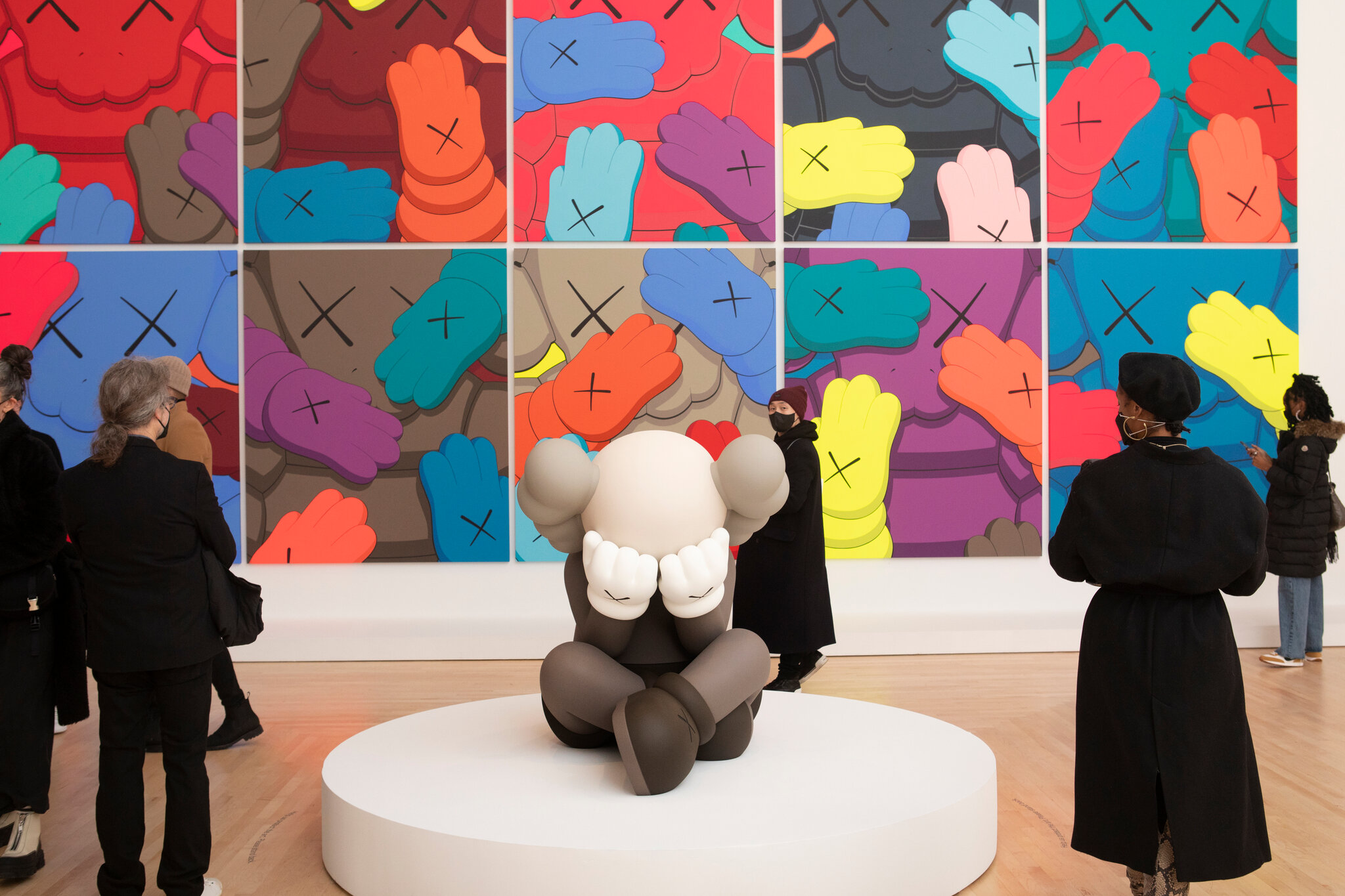
I think KAWS' work is particularly well-suited to these immersive environments. The scale and boldness of his sculptures translate well to the digital realm, and the playful nature of his figures invites interaction. Imagine exploring a virtual gallery filled with oversized KAWS companions, or discovering hidden details within a digital painting. The possibilities are exciting. The way we think about art spaces is fundamentally evolving, and Kaws is at the forefront.
Consider the logistical hurdles of shipping and insuring a large KAWS sculpture. A virtual gallery eliminates those concerns entirely. The artwork exists purely as data, accessible to anyone with an internet connection. This accessibility is a major advantage, particularly for collectors who may not live near major art centers. It’s a democratization of the art experience, and a significant shift in the power dynamics of the art world.
Virtual Galleries Showcasing Digital Art
- SuperRare - A curated marketplace focused on unique, single-edition digital artworks. It’s known for its high standards and often features established artists exploring NFTs.
- Nifty Gateway - A platform that frequently hosts drops from prominent artists, including those working with collectible NFTs. They are known for their curated drops and accessible interface.
- Foundation - A community-governed platform where artists can mint and sell their work as NFTs. It emphasizes artist ownership and creative control.
- KnownOrigin - Specializing in rare digital artworks, KnownOrigin focuses on authenticity and provenance, using blockchain technology to verify ownership and origin.
- Unit London - While a physical gallery, Unit London has expanded into the digital space, offering virtual exhibitions and NFT drops alongside their traditional offerings. They frequently showcase contemporary and urban art.
- Pace Verso - The NFT platform of the renowned Pace Gallery, Pace Verso presents a curated selection of digital art from established and emerging artists. It provides a bridge between the traditional art world and Web3.
- Bright Moments - Bright Moments focuses on fine art NFTs, often offering limited-edition digital works and physical collectibles linked through blockchain technology. They emphasize the collector experience.
Kaws and the Metaverse: New Forms of Collaboration
The metaverse represents the next frontier for digital art, and for KAWS. This isn’t just about displaying existing artwork in a virtual space, it’s about creating art specifically for these immersive environments. Platforms like Fortnite, Roblox, and Decentraland offer unprecedented opportunities for artists to experiment with new forms of expression. Kaws already installed a large scale work in Abu Dhabi (instagram.com/kaws) and this foreshadows more immersive installations.
Imagine a KAWS-designed skin for a Fortnite character, or a virtual sculpture park within Decentraland. These aren’t simply promotional tie-ins, they’re artistic collaborations. The interactive and immersive nature of these platforms allows KAWS to engage with his audience in new and meaningful ways. He can create experiences that go beyond passive viewing, inviting viewers to participate in the artwork.
The potential for collaboration is enormous. KAWS could partner with game developers to create unique in-game assets, or work with virtual world creators to design immersive environments. He could even create interactive narratives that unfold within the metaverse, blurring the lines between art, gaming, and storytelling. This is where the real innovation lies, in the ability to create art that is truly alive and responsive.
It's important to note that the metaverse is still in its early stages of development. However, the rapid growth of these platforms suggests that they will play an increasingly important role in the future of art. KAWS’s willingness to experiment and embrace new technologies positions him perfectly to capitalize on these opportunities. The ability to create persistent, evolving artworks within a virtual world is a powerful concept.
We’re likely to see a shift from static digital artworks to dynamic, interactive experiences. NFTs can be programmed to change over time, responding to external factors or user interactions. This opens up a whole new realm of artistic possibilities, allowing KAWS to create artworks that are constantly evolving and surprising.
The Collector's Perspective: Digital Kaws Ownership
Owning a digital KAWS artwork is a fundamentally different experience than owning a physical one. While a physical sculpture sits on a shelf, a digital artwork exists as data on a blockchain. Collectors can display their NFTs in virtual galleries, use them as avatars in online games, or simply hold them as investments. The possibilities are surprisingly diverse.
The community aspect of NFT collecting is also a major draw. Platforms like Discord and Twitter have become hubs for collectors to connect, share their acquisitions, and discuss the latest trends. This sense of community fosters a shared passion for art and provides a platform for artists to engage directly with their fans. It’s a more participatory and democratic art world.
The value of a KAWS NFT is determined by a variety of factors, including the artist’s reputation, the rarity of the artwork, and the overall market demand. Like any collectible, the price can fluctuate, but the underlying value lies in the verifiable ownership and the cultural significance of the artwork. It’s an investment, but it’s also a statement about one’s taste and values.
For many collectors, the appeal of NFTs goes beyond financial gain. It’s about being part of a new movement, supporting artists directly, and owning a piece of digital history. It’s about participating in a community that shares a passion for art and technology.
Challenges and Considerations: Authenticity and Longevity
Despite the excitement surrounding NFTs and digital art, it’s important to acknowledge the risks and challenges. Smart contract security is a major concern, as vulnerabilities in the code can lead to theft or loss of funds. Platform dependence is another issue, as the value of an NFT can be tied to the longevity of the platform on which it’s hosted.
The potential for digital files to become obsolete is also a valid concern. File formats change, storage solutions become outdated, and websites disappear. Ensuring the long-term preservation of digital artwork requires careful planning and proactive measures. Artists and collectors need to consider strategies for migrating files to new formats and ensuring their accessibility for future generations.
Kaws and his team can mitigate these risks by working with reputable platforms, employing robust security measures, and establishing clear guidelines for the long-term preservation of his digital artwork. This includes creating backup copies of all digital files and documenting the provenance of each NFT. Transparency is key.
The environmental impact of NFTs, particularly those based on proof-of-work blockchains, has also been a subject of debate. However, many platforms are now transitioning to more energy-efficient consensus mechanisms, such as proof-of-stake, which significantly reduces their carbon footprint.
NFT Marketplace Comparison for KAWS Digital Art (2026)
| Marketplace | Security Considerations | Curation Approach | Community Focus | Fee Structure |
|---|---|---|---|---|
| OpenSea | Generally robust security measures, but relies heavily on user best practices; history of occasional exploits. | Open and accessible; minimal barriers to entry for creators. Wide range of art, including KAWS-inspired works. | Large and diverse community; broad appeal but can be less focused on high-end art collectors. | Variable fees based on sale type and marketplace updates; generally considered competitive. |
| Foundation | Emphasizes creator control and security through smart contracts; selective onboarding process for artists. | Highly curated; focuses on unique, original digital artwork. Attracts established and emerging digital artists. | Strong community of collectors interested in supporting digital art and individual creators. | Fees are applied per transaction and can vary; generally positioned as a premium platform. |
| SuperRare | Strong focus on security and verification of artwork authenticity; prioritizes unique, single-edition pieces. | Highly selective curation process; emphasizes quality and artistic merit. Known for showcasing established digital artists. | Dedicated community of collectors focused on rare and high-value digital art; fosters direct artist-collector relationships. | Fees are applied per transaction and are generally higher than other platforms, reflecting its exclusivity. |
| Nifty Gateway | Utilizes robust security protocols and often partners with established brands for drops. | Curated platform, often featuring limited-edition drops from well-known artists and brands. | Cultivates a community through exclusive drops and events, attracting both art collectors and enthusiasts. | Fees vary depending on the drop and can include both platform and creator fees. |
| KnownOrigin | Emphasizes provenance and authenticity through blockchain technology. | Focuses on curated collections of digital art, prioritizing originality and artistic vision. | Fosters a community of collectors and artists passionate about digital art and its cultural significance. | Transaction fees apply, designed to support the platform and artists. |
Illustrative comparison based on the article research brief. Verify current pricing, limits, and product details in the official docs before relying on it.
Kaws in 2026: A Digital Future?
Looking ahead to 2026, I envision a future where digital art is fully integrated into the mainstream art world. NFTs will have become commonplace, and virtual galleries will be as popular as traditional ones. The lines between the physical and digital art worlds will continue to blur, with artists creating works that seamlessly transition between both realms.
We might see KAWS designing entire virtual worlds, complete with interactive installations and immersive experiences. He could collaborate with fashion brands to create digital clothing for avatars, or partner with music artists to create visually stunning music videos. The possibilities are limited only by imagination.
New artistic mediums will emerge, enabled by advancements in technology. Perhaps we’ll see AI-generated KAWS artworks, or holographic sculptures that can be viewed from any angle. The key will be for KAWS to continue experimenting and pushing the boundaries of what’s possible.
I suspect we'll also see a greater emphasis on provenance and authenticity. Blockchain technology will play an increasingly important role in verifying the authenticity of both physical and digital artworks. Collectors will demand transparency and accountability, and artists will respond by embracing these technologies.
Ultimately, the future of KAWS Art is likely to be a hybrid one, blending the best of both worlds. Physical sculptures and paintings will continue to be highly valued, but digital art will offer new avenues for creativity, accessibility, and engagement. It’s a dynamic and exciting time to be a Kaws collector, and I believe the best is yet to come.
What is the most exciting potential application of NFTs for Kaws' art?
Vote below and tell us which NFT-driven direction for Kaws' art in 2026 interests you most.
No comments yet. Be the first to share your thoughts!