

Kaws Art Budget
Buying KAWS art is less about finding a bargain and more about finding the right entry point. The market is stratified, with prices swinging wildly based on whether you are looking at a mass-produced vinyl figure, a limited-edition print, or an original painting. Understanding these tiers helps you set a realistic budget before you start hunting.
Vinyl Figures and Prints
This is the most accessible tier for new collectors. KAWS started as a commercial illustrator, so his vinyl figures and giclée prints are abundant. You can often find these on resale platforms or through authorized retailers. While prices fluctuate, you can typically expect to spend between $100 and $500 for a standard figure or a smaller print. These pieces hold value well if kept in their original packaging, but condition matters significantly.
Original Paintings and Sculptures
At the high end, KAWS originals command six- or seven-figure sums. These works are sold through major galleries like Gagosian and Sotheby’s. A single painting can easily exceed $1 million, driven by scarcity and the artist’s global fame. For most collectors, this tier is out of reach, but it sets the ceiling for the brand’s perceived value. Even limited-edition sculptures often start in the thousands, making them a serious investment.
The Condition Premium
Whether you are buying a figure or a print, condition is the primary driver of resale value. For vinyl figures, the box is essential. A loose figure without its original packaging loses significant value, often dropping by 30-50%. For prints, check for creases, yellowing, or water damage. Always inspect the item closely or buy from a reputable dealer who guarantees authenticity and condition.


As an Amazon Associate, we may earn from qualifying purchases.
Shortlist real options
Choosing the right KAWS piece depends on whether you prioritize large-scale statement sculptures, limited-edition vinyl figures, or accessible prints. Because the secondary market for original works fluctuates wildly, this guide focuses on concrete product categories available through verified commerce channels. We compare the strongest options to help you plan around the trade-offs between investment potential, display size, and entry cost.
The Companion Sculptures
The Companion is KAWS’s most recognizable motif, appearing in various materials and scales. Original bronze or resin sculptures command six-figure prices at auction, but high-quality resin replicas and limited-run vinyl figures offer a more accessible entry point. These pieces serve as immediate focal points in a room, leveraging the character’s iconic crossed-out eyes to bridge streetwear culture and contemporary fine art. When evaluating these items, check the edition size and material quality, as mass-produced versions lack the weight and finish of gallery-grade pieces.
Open Edition Prints
For collectors on a tighter budget, KAWS prints provide a direct connection to the artist’s graphic design roots. These works often feature the same bold color palettes and hard-edge compositions found in his larger paintings but are reproduced on high-quality archival paper. They are ideal for those who want to display KAWS imagery without the logistical challenges of shipping heavy sculptures. Look for prints that are hand-signed or numbered by the artist, as these retain higher resale value than unsigned commercial reproductions. They work well in groups, creating a gallery wall effect that emphasizes the repetition central to KAWS’s aesthetic.
Vinyl Toys and Figures
KAWS began his career designing sneakers and toys, and this heritage remains a strong collector segment. Vinyl figures range from small blind-box collectibles to larger 12-inch scale statues. These items are highly portable and often come in protective packaging that preserves their condition. The market for these figures is driven by scarcity and collaboration, with pieces linked to brands like Uniqlo or Medicom Toy commanding premiums. While they are less "fine art" than canvas works, they represent the accessible face of the brand and are often the first purchase for new fans.
Comparison Table
The table below summarizes the key differences between these primary KAWS product categories to help you decide where to allocate your budget.
| Category | Best For | Typical Price Range | Investment Potential |
|---|---|---|---|
| Sculptures | Statement pieces & collectors | $5,000 - $1,000,000+ | High (Originals) |
| Prints | Wall decor & entry-level | $200 - $2,000 | Medium (Signed) |
| Vinyl Figures | Display & casual fans | $50 - $500 | Low-Medium (Limited) |
Inspect the expensive parts
KAWS pieces carry a high price tag because of the artist’s name, but that doesn’t mean every detail is perfect. The brand produces in massive quantities, and manufacturing tolerances vary between limited editions and mass-market collaborations. A small flaw in paint application or vinyl molding can drop the value of a collectible figure by half or more.
Treat your purchase like a forensic audit. Before you commit to a high-value piece, look for the specific failure points that collectors actually care about. These are the areas where cheap manufacturing shortcuts show up first.
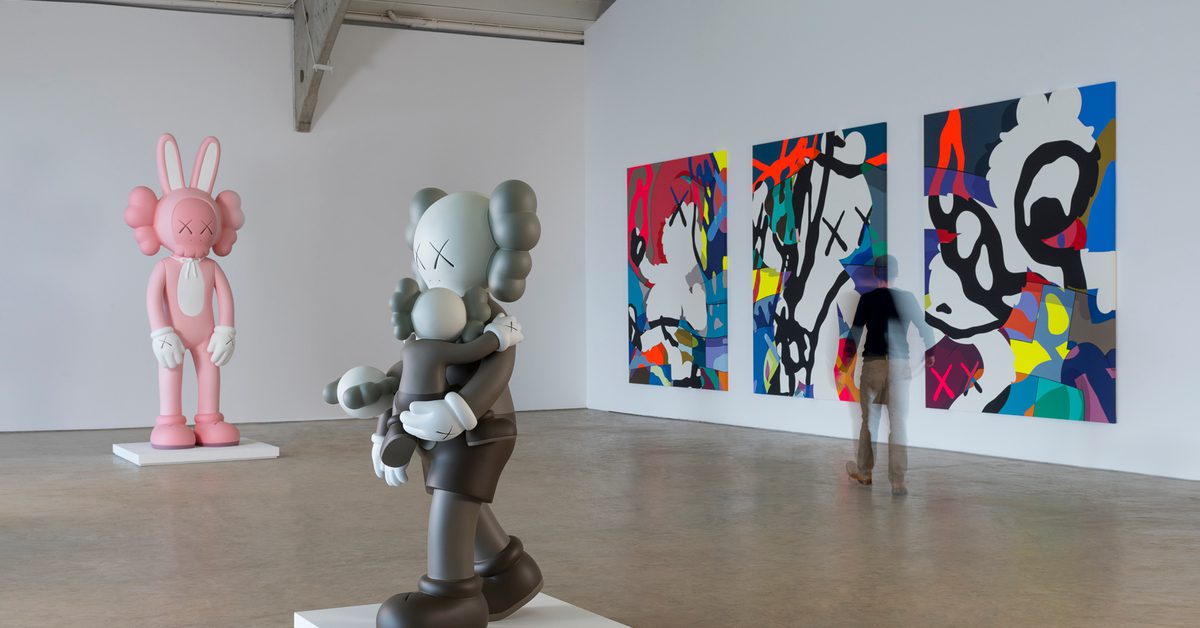
White vinyl is notorious for yellowing over time, especially if it has been stored in direct sunlight or warm environments. Check the joints, the back of the head, and the underside of the feet. Even a slight tint makes a significant difference in resale value. If you are buying pre-owned, ask for photos of the bottom in natural daylight.
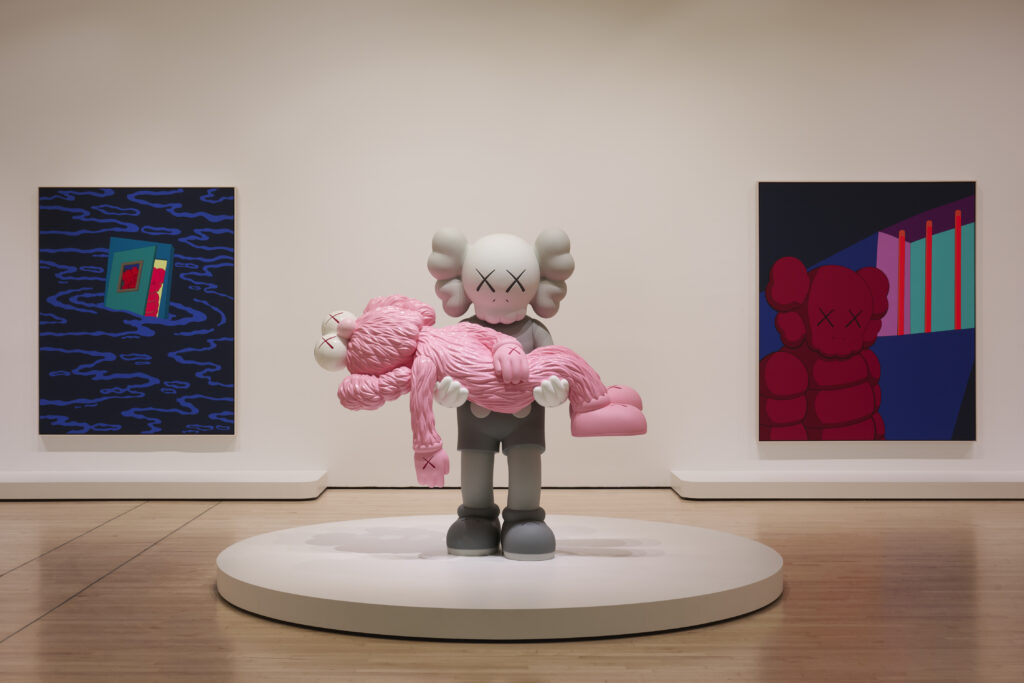
KAWS figures rely on clean, hard-edge paint lines. Look closely at the seams where different colors meet. Paint chipping is common on the X-ed eyes, the mouth, and the hands, which are often handled during manufacturing. Use a magnifying glass if possible. Even microscopic chips on a limited edition can be deal-breakers for serious collectors.
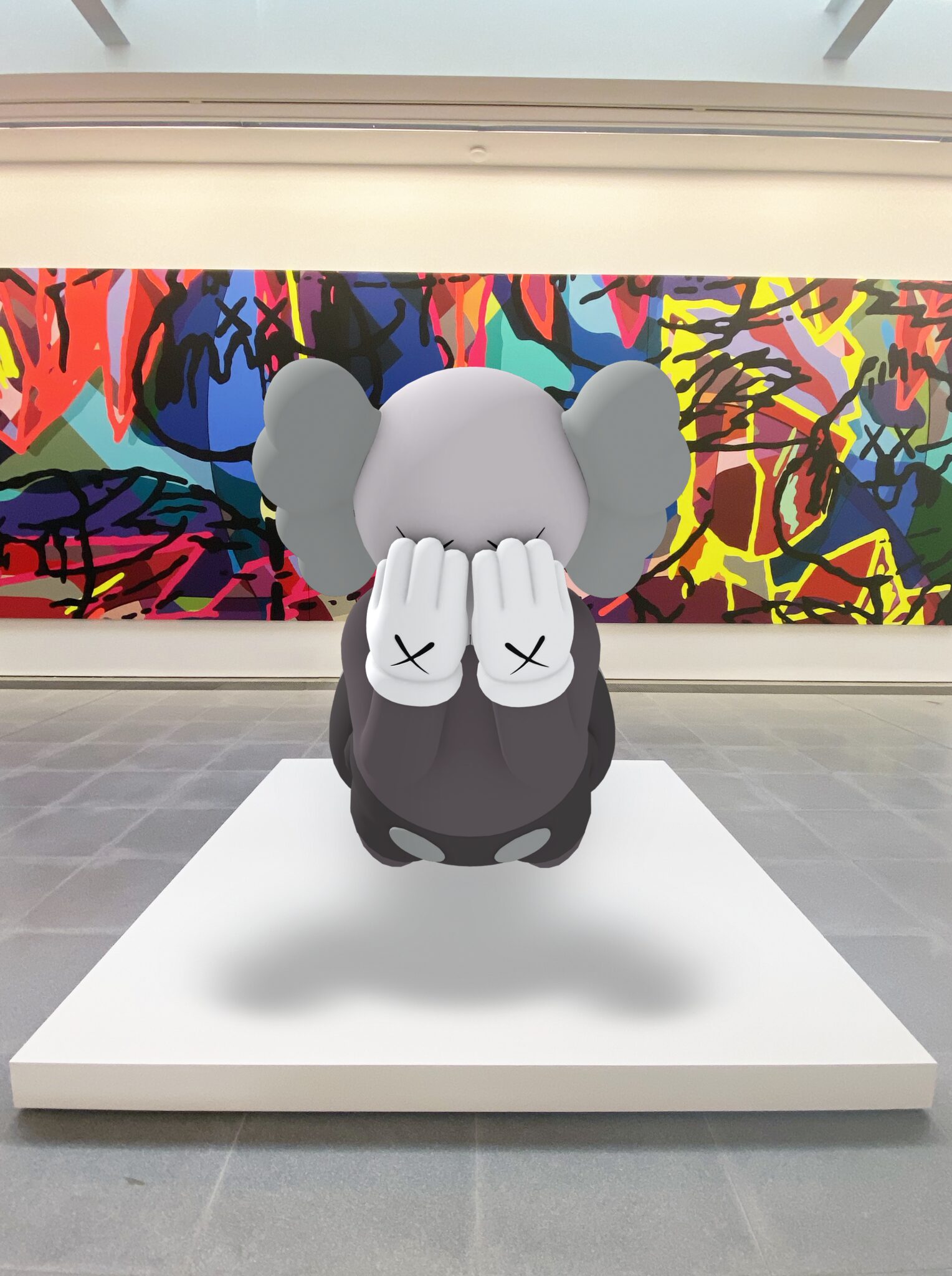
For figures, the box is often as valuable as the statue itself. Check for "box crush" on the corners and edges. The "kill strip" (the perforated opening tab) should be intact unless you plan to open it immediately. For paintings, ensure the canvas is taut and the stretcher bars are not bent. Any damage to the packaging significantly reduces the secondary market value.
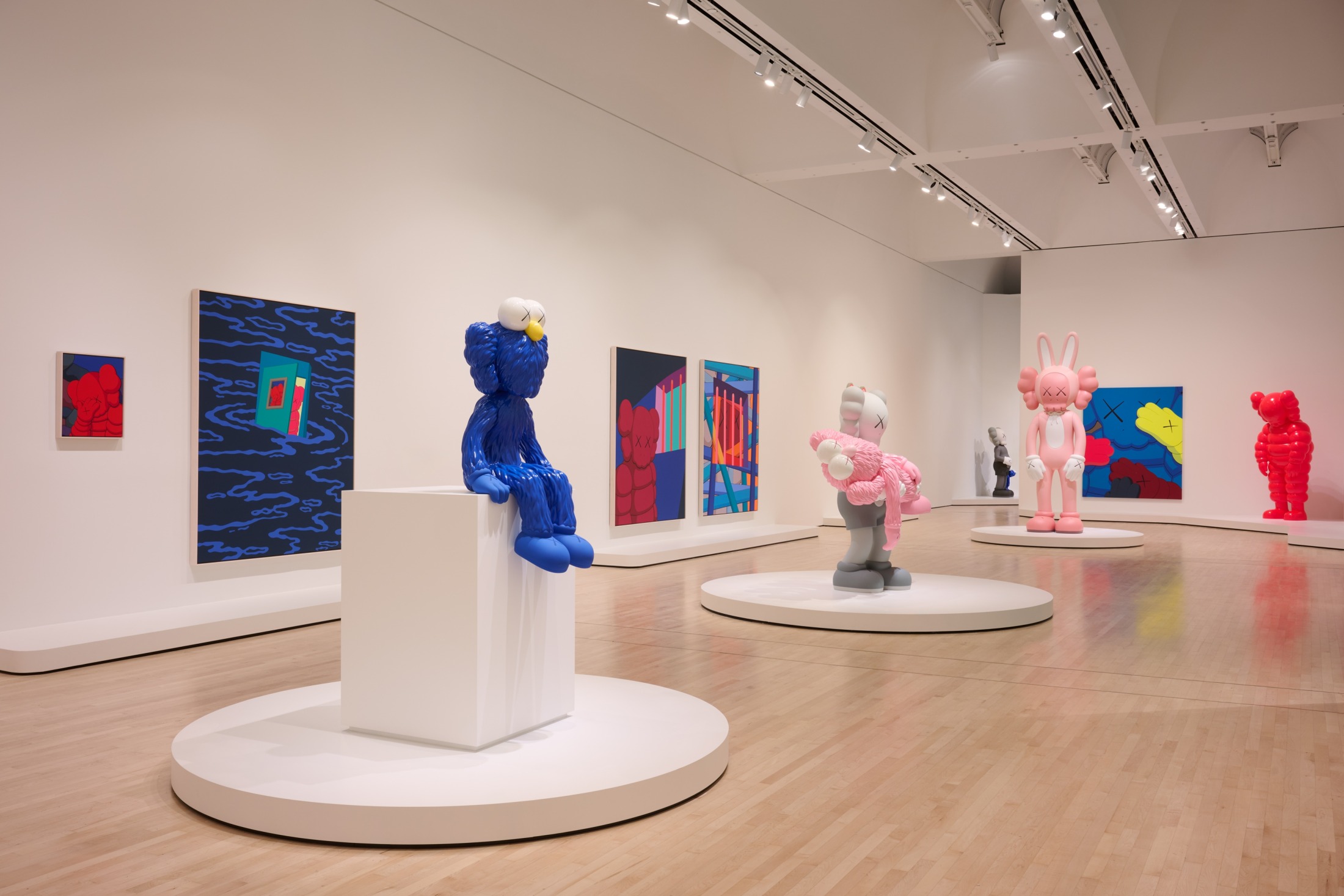
Large vinyl figures can be top-heavy. Check the base for cracks or stress marks, especially around the feet. If the piece includes removable arms or legs, ensure the joints are not loose or stripped. A figure that cannot stand upright on its own is a major defect. For metal sculptures, check for rust or loose welding points.
Plan for ownership costs
Buying a KAWS figure is the easy part. The real costs come after the box opens. Vinyl degrades, paint chips, and display spaces shrink. If you treat these pieces like decor, they will look like decor within a year. If you treat them like assets, they require an asset-grade environment.
The hidden costs of vinyl preservation
KAWS figures are primarily made of PVC and vinyl. These materials are not inert. Over time, vinyl can "sweat" plasticizers, leaving a sticky residue on the surface or nearby shelves. This is especially common in warmer climates or near direct sunlight. The fix isn't just a wipe-down; it often requires specialized vinyl cleaners and a complete redesign of your display case to control humidity.
Paint is the next vulnerability. KAWS is known for bold, hard-edge colors. When the clear coat fails or the vinyl underneath expands and contracts with temperature shifts, you get "paint separation." This looks like small cracks or peeling edges, particularly around the joints of articulated figures or the seams of cast vinyl pieces. Restoration is possible but expensive, and it rarely returns the piece to mint condition. Avoid displaying these in rooms with direct sun or heating vents.
When a cheap buy stops being cheap
A lower-priced KAWS figure, such as a smaller Companion or a mass-market collaboration, might seem like a safe entry point. But if the paint job is thin or the vinyl quality is lower, the maintenance burden increases. You might find yourself spending more on protective sprays, custom UV-filtered acrylic cases, and professional cleaning than you saved on the initial purchase.
Conversely, higher-tier pieces often come with better original packaging and higher-quality materials that resist degradation longer. The initial investment is higher, but the long-term cost of care is often lower because the materials are more stable. Think of it like buying a car: a cheap car needs constant repairs. A well-built one needs routine maintenance, but not emergency fixes.
Practical steps to protect your investment
- Control the environment: Keep humidity between 40-50%. Use silica gel packs in display cases, not just in storage boxes.
- Avoid direct light: UV rays fade KAWS' signature bright colors and degrade vinyl. Use UV-filtering acrylic for cases if you must display near windows.
- Handle with care: Oils from your skin can damage paint. Always wear cotton gloves when moving figures.
- Store properly: If you are not displaying a piece, keep it in its original box with acid-free tissue paper. Do not use plastic bags that trap moisture.


As an Amazon Associate, we may earn from qualifying purchases.
Kaws art: what to check next
Navigating the KAWS market requires understanding the mechanics behind the hype. The following answers address the most common practical objections and curiosity points regarding his work, pricing, and cultural impact.
No comments yet. Be the first to share your thoughts!