
Start with your collection goals
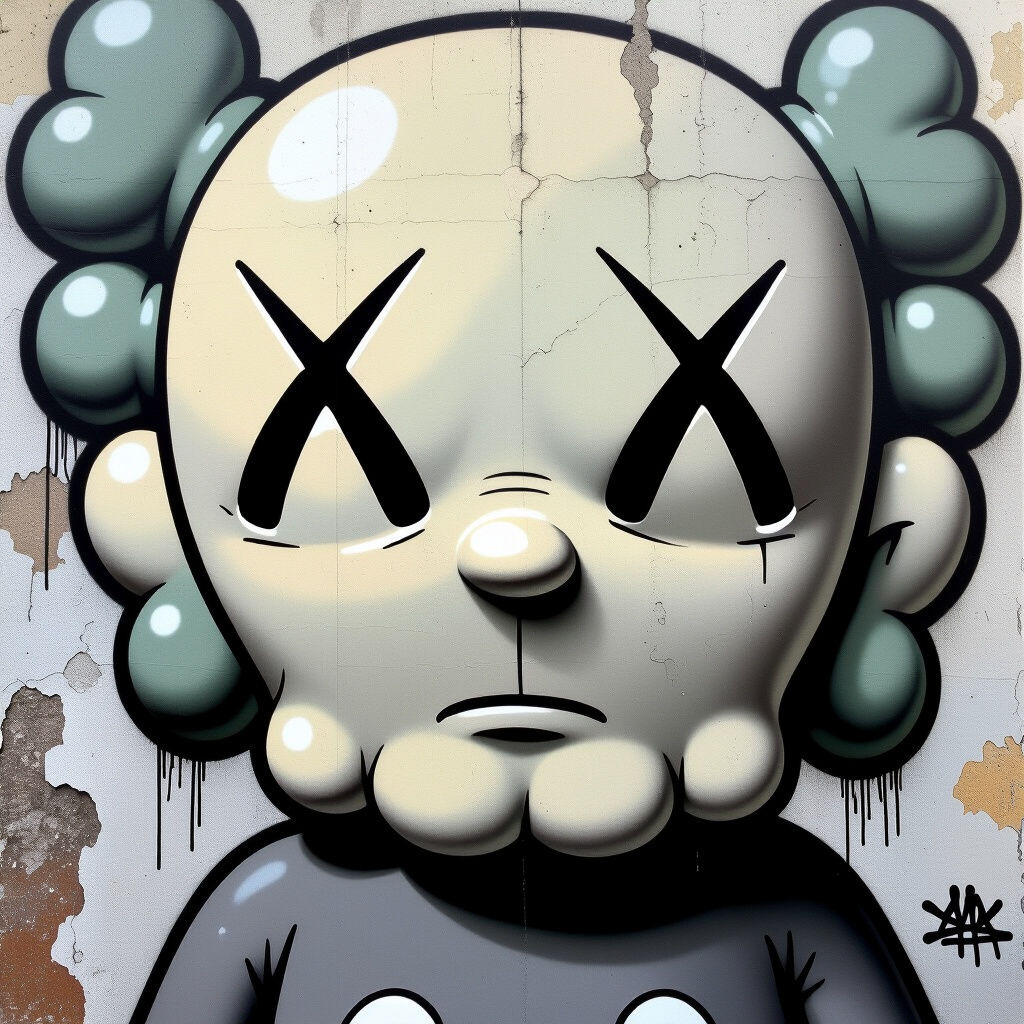
Before you browse auctions or shop secondary markets, decide what kind of KAWS art fits your space and budget. The artist’s output ranges from accessible vinyl companions to high-end fine art, creating two distinct entry points for new collectors.
Vinyl figures and printed multiples offer an immediate way to engage with the brand. These pieces, often produced in limited runs, are easier to store and display. They provide a lower barrier to entry, allowing you to build a cohesive visual presence without the heavy financial commitment of original works.
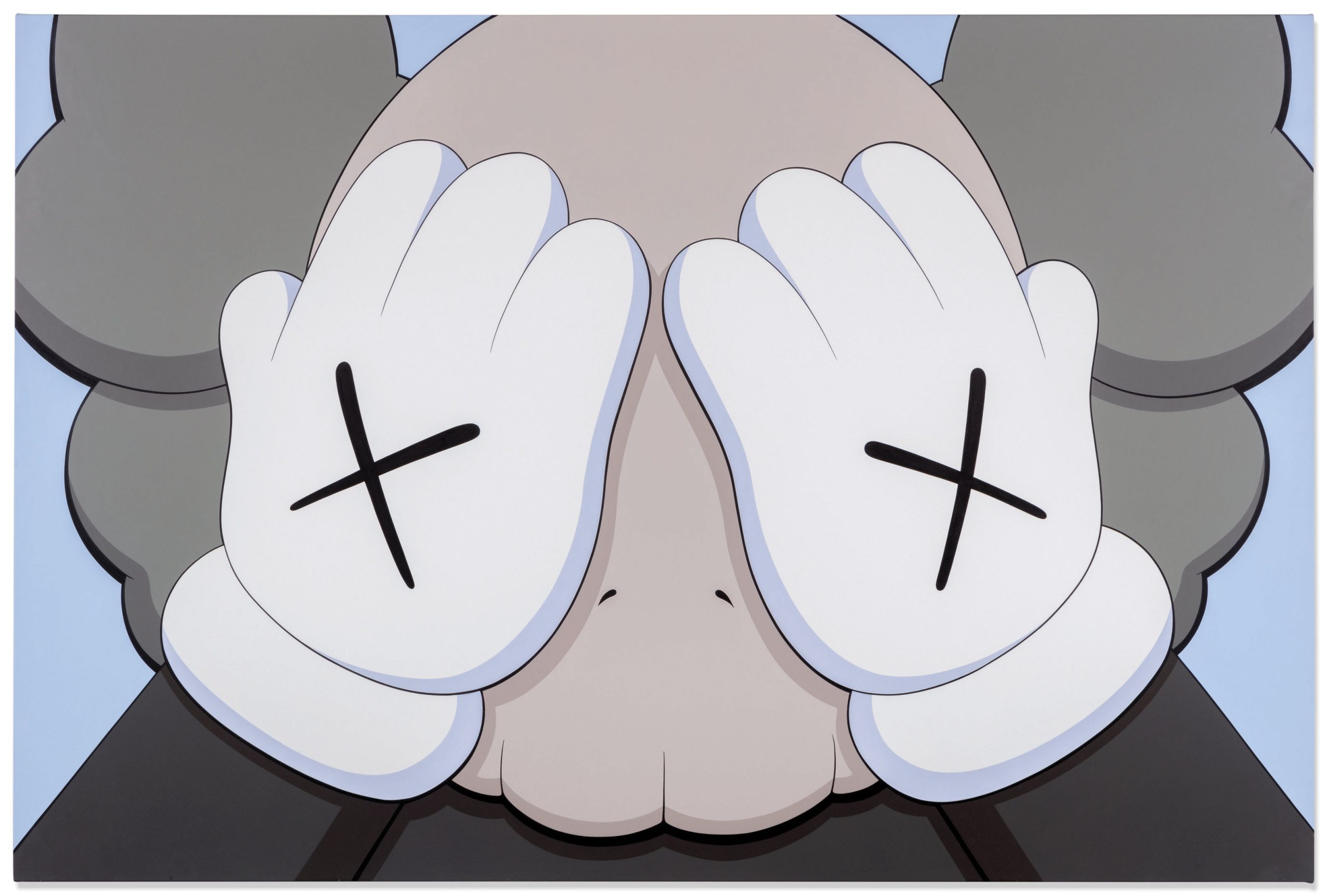
At the other end of the spectrum are paintings and large-scale sculptures. These works carry significant weight in the contemporary art market and require serious investment. If you are drawn to the hard-edge painting style or monumental sculptures, you must be prepared for higher price points and the logistical challenges of framing and shipping large items.
Clarifying this distinction now saves time later. It helps you filter listings effectively and prevents you from falling in love with a piece that exceeds your financial comfort zone. Once you know whether you want a shelf companion or a wall anchor, you can tailor your search strategy accordingly.
Verify Kaws figures and sculptures
Authenticated Kaws figures are the backbone of the secondary market. Counterfeits flood online marketplaces, often mimicking the iconic Companion silhouette with startling accuracy. To verify Kaws figures and sculptures, you must look past the general shape and inspect the specific manufacturing details that Brian Donnelly’s authorized partners—such as Medicom Toy and Brand New Children—strictly control.
Authentication is not about guessing; it is about checking physical evidence. Every genuine piece comes with a paper trail and specific sculptural markers. If an item lacks these, it is likely a replica. Follow this four-step process to validate your collectible before you buy or sell.
The original box is your first line of defense. Authentic Kaws packaging is sturdy, with high-quality printing and vibrant colors. Look for the Medicom Toy or Brand New Children logos on the bottom or side panels. Counterfeit boxes often feel flimsy, use duller ink, or have spelling errors on the back panel. The barcode and serial number printed on the box should match the tags inside.
Inside the box, you will find a hang tag attached to the figure. This tag must include the artwork title, the artist’s signature (usually "KAWS" or "B. Donnelly"), and a unique serial number. The font on the tag should be crisp and consistent. If the tag is missing, or if the serial number looks hand-scrawled rather than printed, the figure is suspicious. Cross-reference this number with known databases if possible.
Look closely at the figure’s face, specifically the eyes. Genuine Kaws figures have distinct "X" eyes with precise, clean lines. The paint should be smooth, with no bleeding, smudges, or uneven coverage. Check the seams where the head meets the body; on authentic pieces, these are tight and barely visible. Rough seams or gaps suggest a low-quality mold used in counterfeit production.
For high-value sculptures or limited edition figures, a Certificate of Authenticity (COA) is essential. This document should be signed by the artist or the authorized manufacturer. Check the paper quality and the signature against known authentic examples. Be wary of digital COAs sent via email without a physical backup; physical certificates are harder to forge and hold more weight in resale.
Authentication requires patience. If any of these steps reveal inconsistencies, proceed with extreme caution. The cost of a fake Kaws figure is negligible compared to the loss of investing in a counterfeit. Always buy from reputable dealers who guarantee authenticity.
Evaluate Kaws paintings and prints
Assessing KAWS art requires distinguishing between original paintings and limited edition prints. The value gap is significant, and understanding the differences helps you avoid overpaying for mass-produced items. Start by comparing the medium, edition size, and gallery representation.
| Type | Medium | Edition Size | Typical Price Range |
|---|---|---|---|
| Original Painting | Oil & acrylic on canvas | One-of-a-kind | $50,000 - $1M+ |
| Limited Edition Print | Giclée on paper | Numbered (50-500) | $1,000 - $10,000 |
| Open Edition Print | Giclée on paper | Unlimited | $500 - $2,000 |
Provenance is the backbone of authentication for higher-tier KAWS art. Always request documentation from recognized galleries like Skarstedt or Artsy, which maintain detailed sales records. A certificate of authenticity from the artist’s studio or a reputable gallery is non-negotiable for originals.
Avoid common buying mistakes
The easiest mistake with Collect Kaws Art is letting one attractive listing reset your standards. Compare total cost, seller history, return policy, condition, availability, and long-term upkeep before treating a discount as a win. Do not move forward when the seller is vague about what is included, how delivery works, or what happens if the item arrives in worse condition than promised. Those gaps are usually where the real cost appears.
The simplest way to use this section is to verify the seller, compare the total cost, and resolve the biggest risk before you commit.
Understand Kaws art market value
The price tag on a KAWS piece often feels disconnected from the canvas or vinyl, but the market operates on a specific set of scarcity rules. Unlike traditional fine art, which relies heavily on provenance and critical acclaim alone, KAWS art value is driven by a collision of street culture hype, limited production runs, and institutional validation. Buyers are not just purchasing an image; they are buying access to a closed ecosystem where supply is artificially constrained and demand is global.
Scarcity and the "Drop" Model
KAWS treats his primary figures and paintings like limited-edition sneaker drops. The artist and his team严格控制 (strictly control) the number of units produced, often destroying unsold inventory or keeping large portions in private archives. This artificial scarcity creates immediate secondary market pressure. When a new edition releases, the initial sell-out is instantaneous, and the resale market opens within minutes. For collectors, this means the "fair market value" at retail is rarely the true cost of acquisition; the real price is determined by what the secondary market will bear.
Celebrity Collaborations as Value Multipliers
Collaborations with major brands like Nike, Dior, and Uniqlo serve as entry points for new fans, but they also inflate the value of KAWS’s independent work. Each collaboration expands his audience, creating a larger pool of potential buyers for his core gallery pieces. When a KAWS figure appears alongside a high-fashion runway or a major athletic release, it signals cultural relevance that transcends the art world. This cross-pollination ensures that his primary market paintings and sculptures remain desirable to both streetwear enthusiasts and traditional art collectors, driving prices upward.
Museum Acquisitions and Institutional Credibility
While hype drives short-term spikes, long-term value stability comes from institutional validation. Major museums like the Brooklyn Museum and the High Museum of Art have hosted significant KAWS exhibitions, treating his work with the same curatorial seriousness as established contemporary artists. These acquisitions signal to the market that KAWS is not a passing trend but a permanent fixture in contemporary art history. This institutional backing provides a floor for prices, reassuring investors that their assets have lasting cultural weight beyond the collector’s immediate circle.
No comments yet. Be the first to share your thoughts!