

Kaws: Beyond the Companion
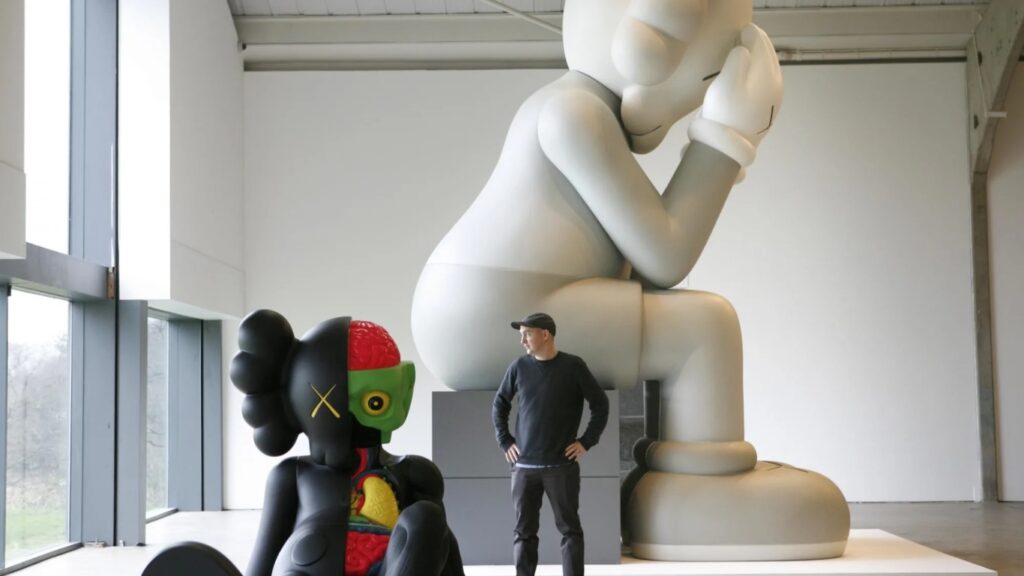
Brian Donnelly, known globally as Kaws, started as a graffiti artist in Jersey City in the early 1990s, illegally painting bus shelters and billboards. This early work focused on making art accessible to the public, a principle that still guides his practice.
His work blends a love for cartooning, especially Disney, with pop art aesthetics. This is clear in his early paintings and sculptures, where he reimagines familiar characters with his signature "X" eyes, which often replace pupils and convey a sense of melancholy.
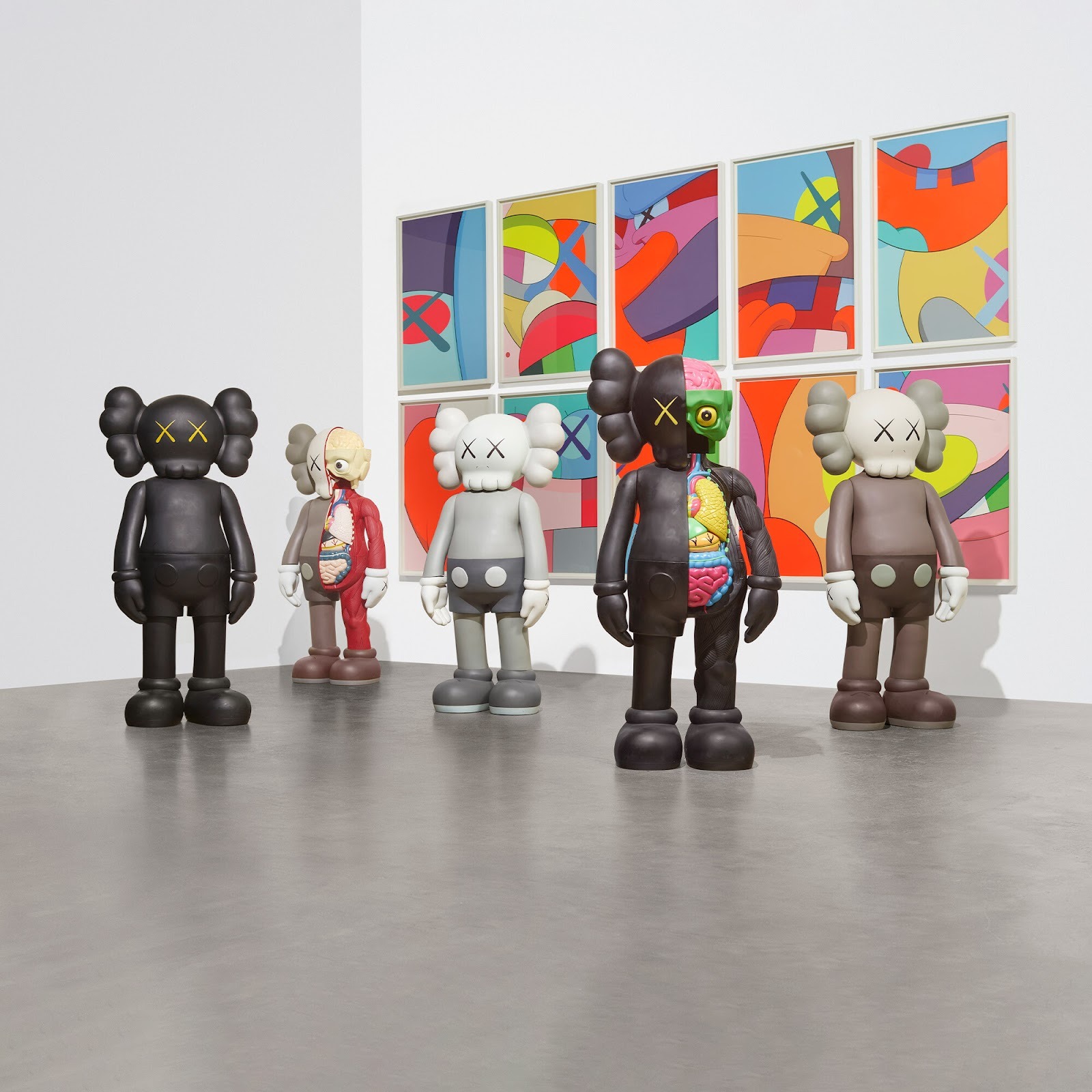
The Companion, first appearing in 1999, became his signature, but Kaws has expanded his work to include painting, sculpture in wood, bronze, and fiberglass, and fashion collaborations. His 2019 partnership with Dior for the Men’s Spring 2020 collection and his Uniqlo collaborations introduced his designs to wider audiences.
These collaborations show Kaws's skill in translating his vision across mediums, moving beyond the traditional art world. While he's often seen as the 'Companion guy,' appreciating the full scope of his creative output offers a deeper understanding of his work.
Decoding Kaws’s Primary Markets
The Kaws art market is robust and multifaceted. Auction houses like Sotheby’s, Phillips, and Christie’s regularly sell Kaws pieces. While auctions offer transparency in bidding history and sale prices, they include buyer’s premiums, often around 25%, which add to the cost.
Online platforms such as Artsy aggregate works from galleries worldwide, providing a wider selection. However, authenticating pieces on these platforms can be challenging, so buying from reputable dealers is essential. Private sales, arranged by art advisors or directly between collectors, also form a significant part of the Kaws market.
Private sales offer discretion and potentially better pricing but demand a high level of trust and due diligence, with authentication being the buyer's responsibility. New York, Hong Kong, and cities across Asia are key geographic markets, with demand from these regions significantly influencing global prices.
The market has grown considerably, with a Companion sculpture selling for $19.7 million at Sotheby’s Hong Kong in 2019, showing the market's high-end potential. Remember that markets fluctuate, and past performance does not guarantee future results.
- Auction Houses: Transparency, buyer's premiums.
- Online Platforms (Artsy): Wider selection, authentication challenges.
- Private Sales: Discretion, requires due diligence.
Kaws Art Marketplaces: A Comparative Overview (2026)
| Marketplace Type | Authentication | Fees | Transparency | Accessibility | Speed of Sale |
|---|---|---|---|---|---|
| Auction Houses (Sotheby's, Christie's, Phillips) | High | High (Buyer's Premium & Seller's Commission) | Medium | Medium | Medium |
| Online Platforms (Artsy) | Medium | Medium (Platform Fees & Gallery Commissions) | High | High | Medium to High |
| Private Sales (Dealers, Collectors) | Low to Medium | Negotiated (Varies significantly) | Low | Low | Low to Medium |
| Auction Houses (Specialty Kaws Auctions) | High | High (Buyer's Premium & Seller's Commission) | Medium | Medium | Medium |
| Online Platforms (StockX) | Medium | Variable (Buyer & Seller Fees) | High | High | High |
| Gallery Sales | Medium to High | High (Gallery Markup) | Medium | Medium | Medium |
Illustrative comparison based on the article research brief. Verify current pricing, limits, and product details in the official docs before relying on it.
Entry Points: Affordable Kaws Collectibles
Building a Kaws collection doesn't require a fortune. Beyond six-figure sculptures, limited-edition vinyl figures offer an accessible entry point. Often released with retailers like Medicom Toy, these figures typically range from $200 to $2,000, depending on rarity and condition.
Kaws also produces prints, including screenprints and lithographs, generally more accessible than sculptures, ranging from $500 to $5,000 based on edition size, colorway, and condition. Original drawings or early paintings can sometimes be found for under $10,000, though they are increasingly rare.
Retailers such as Dope! Gallery offer curated Kaws collectibles. Resale platforms like StockX and Grailed are also sources, but verify authenticity before purchasing, as prices are often driven up by demand.
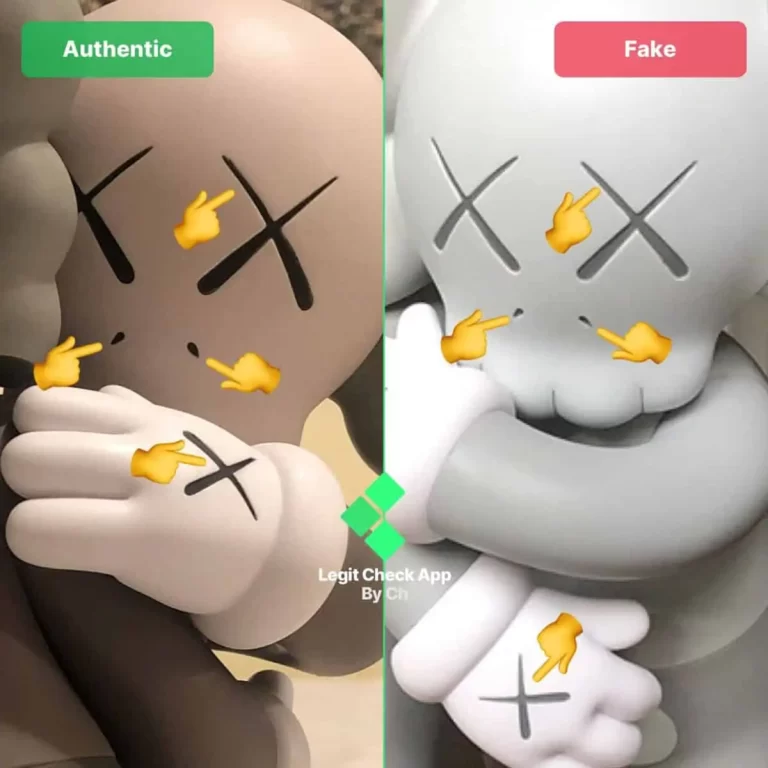
Authenticating affordable pieces requires looking for official markings, edition numbers, and certificates of authenticity. Compare items to known authentic examples online and be cautious of prices that seem too good to be true. Consult a reputable authentication service if unsure.
- Vinyl Figures: $200 - $2,000
- Prints: $500 - $5,000
- Smaller Works: Under $10,000 (increasingly rare)
Starting Point Collectibles
- Kaws:Along the Way Companion (Grey) - Released in 2019, this 12-inch vinyl figure remains a popular entry point. Its relatively large production run means it's often available on the resale market.
- Kaws Holiday (Pink) - The smaller-scale Holiday figures, particularly the pink version released in 2019, are frequently sought after. They offer a recognizable Kaws aesthetic at a more accessible price point.
- Kaws Chum (Various Colors) - The Chum figure, first released in 2002 and re-released in various iterations since, provides a good introduction to Kaws’ early work. Earlier colorways tend to command higher prices.
- Kaws BFF Plush (Blue) - The iconic BFF plush toy, available in various sizes and colors, is a relatively affordable collectible. The original blue version remains particularly popular.
- Kaws Accomplice Figure (Grey) - Released in 2017, the Accomplice figure in grey is a more substantial piece than the smaller vinyl figures, and can be found within a reasonable price range for new collectors.
- Kaws Small Lie Pin Set - Released in collaboration with MoMA Design Store, these enamel pins offer an affordable way to own a piece of Kaws design. Complete sets are more valuable than individual pins.
- Kaws x Uniqlo T-shirts (Various Designs) - Kaws’ collaborations with Uniqlo have produced numerous collectible t-shirts featuring his signature designs. Certain limited-edition designs are more valuable than others.
Companion Variations: A Collector's Guide
The Companion is Kaws’s most iconic creation, appearing in numerous colorways and materials like vinyl, wood, and bronze. Early, limited-edition Companions are particularly sought after.
Size significantly impacts value, with larger Companions being more expensive than desktop versions. The "Small Lie" series, showing Companions on their backs, is another popular variation, with different colorways affecting prices. Understanding these distinctions helps in making informed collecting decisions.
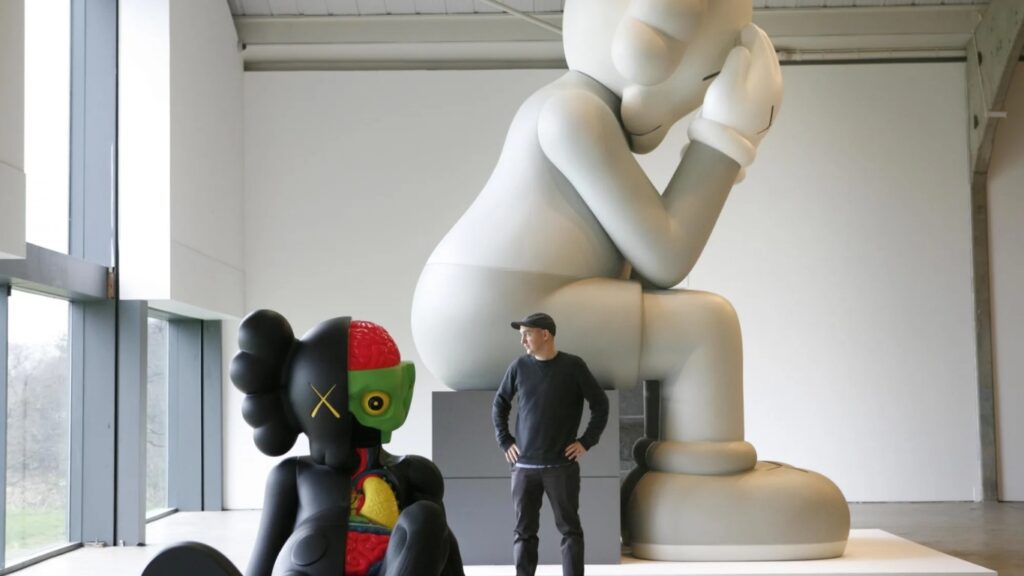
The 2013 "Passing Cloud’ Companion is a notable example of a highly collectible piece due to its limited edition and unique design. The ‘Bend" Companions, with their distinctive pose, are also highly sought after. The historical significance and context of each release influence its value.
Documenting Companion release history is extensive, with no single definitive resource. Online forums and collector communities offer information, but always verify details from multiple sources. Focusing on key releases and colorways is a practical starting point.
- 1999: First Companion release
- 2013: "Passing Cloud" Companion
- Various: "Small Lie’ series, ‘Bend" Companions
Beyond Companion: Expanding Your Focus
While the Companion is a great entry point, limiting your collection to it means missing much of Kaws’s work. The Chum character, a bear-like motif, is another recurring element, released in various sizes and colorways for collectors to explore.
The Accomplice figure, often shown holding a Companion, adds a complex narrative to Kaws’s work. His paintings, featuring his signature characters in abstract compositions, are gaining recognition and value, demonstrating his versatility in translating sculptural ideas into two-dimensional form.
Kaws has also experimented with different mediums, including rugs, furniture, and even inflatable sculptures. These lesser-known works offer a unique perspective on his artistic practice and can be acquired at more accessible price points. They represent a departure from his traditional sculptural work, showcasing his willingness to push boundaries.
Expanding your focus beyond the Companion not only diversifies your collection but also demonstrates a deeper understanding of Kaws’s artistic vision. It’s about appreciating the breadth of his work and recognizing the interconnectedness of his different series and motifs.
Authentication: Avoiding Fakes and Scams
The increasing popularity of Kaws art has unfortunately attracted a growing number of fakes and scams. Counterfeit vinyl figures and prints are common, and even experienced collectors can be fooled. The first line of defense is thorough research. Familiarize yourself with the details of authentic pieces, including markings, materials, and packaging.
Provenance – the documented history of ownership – is crucial. A clear provenance adds credibility to a piece and helps to establish its authenticity. Ask the seller for documentation of previous sales and ownership. Reputable authentication services, such as Real Authentication, can provide expert opinions on the authenticity of Kaws art, but these services come with a fee.
Be wary of prices that seem too good to be true. If a deal seems suspiciously low, it likely is. Scammers often lure buyers with incredibly low prices, only to deliver a fake or nonexistent item. When buying online, use secure payment methods and avoid sending money through untraceable channels.
Common scams include sellers claiming to be representing legitimate artists or galleries, and counterfeit certificates of authenticity. Always verify the legitimacy of the seller and the authenticity of any documentation before making a purchase. If you have any doubts, err on the side of caution and walk away.
- Examine Markings & Materials: Compare to authentic examples.
- Verify Provenance: Documented ownership history.
- Use Secure Payment: Avoid untraceable methods.
- Be Wary of Low Prices: If it seems too good to be true…
Investment Strategies: Long-Term Potential
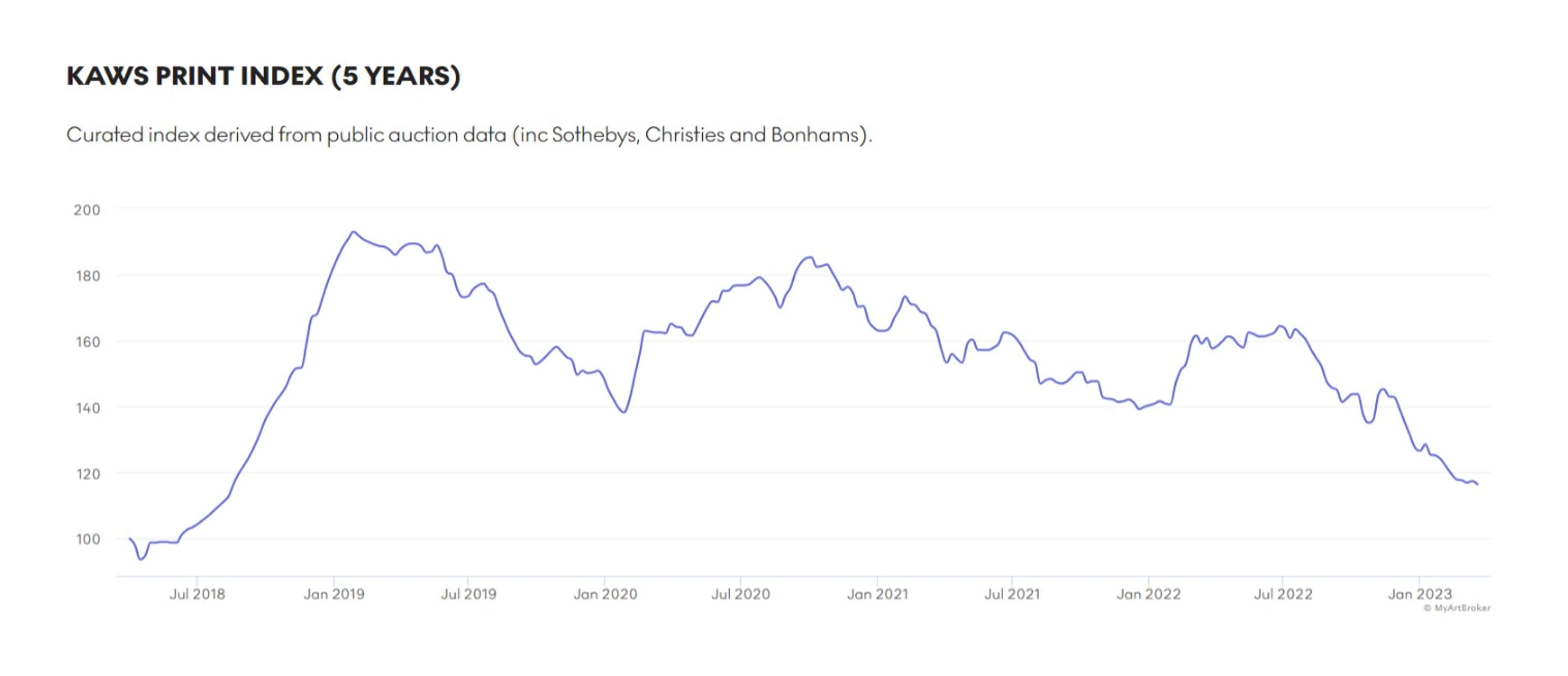
Kaws art has demonstrated strong investment potential in recent years, with prices for certain pieces appreciating significantly. However, art investment is inherently risky and not a guaranteed path to profit. Factors that drive value include rarity, artist recognition, market demand, and the overall condition of the artwork.
Rarity is a key driver of value. Limited-edition pieces, particularly those released in small numbers, tend to command higher prices. Kaws’s growing international recognition and critical acclaim also contribute to the appreciation of his work. Market demand, influenced by factors like economic conditions and collector preferences, plays a significant role.
Diversification is essential. Don’t put all your eggs in one basket. Investing in a range of Kaws pieces, as well as art from other artists, can help to mitigate risk. Storage and insurance are also important considerations. Protect your investment by storing your artwork in a secure, climate-controlled environment and insuring it against damage or loss.
While Kaws art has performed well historically, future performance is not guaranteed. The art market is subject to fluctuations, and prices can go down as well as up. It’s crucial to conduct thorough research, consult with art advisors, and approach art investment with a long-term perspective.
- Rarity: Limited editions drive value.
- Artist Recognition: Kaws’s growing acclaim.
- Diversification: Spread your investment.
- Secure Storage & Insurance: Protect your assets.
Resources for Kaws Collectors
For collectors looking to deepen their knowledge and connect with the Kaws community, several resources are available. Artsy () provides a platform for browsing and purchasing Kaws art from galleries worldwide. Dope! Gallery () is a dedicated retailer specializing in Kaws collectibles.
Online forums and social media groups, like those found on Reddit and Facebook, offer a space for collectors to share information, discuss new releases, and authenticate pieces. Real Authentication () is a reputable authentication service that provides expert opinions on the authenticity of Kaws art.
Books and articles about Kaws and contemporary art can also be valuable resources. Exploring the broader context of contemporary art will enhance your understanding and appreciation of Kaws’s work. Building a network of art advisors and fellow collectors can provide valuable insights and support.
- Artsy:
- Dope! Gallery:
- Real Authentication:
No comments yet. Be the first to share your thoughts!