

Kaws: beyond the companion
Brian Donnelly, known professionally as Kaws, began his career as a graffiti artist in Jersey City in the late 1990s. He wasn’t just tagging; he was altering billboards and bus shelters, giving existing advertisements a unique, subversive twist. This early work laid the foundation for his later explorations of pop culture and consumerism. He attended the School of Visual Arts in New York City, initially studying illustration, but quickly transitioned to painting which felt more natural to him.
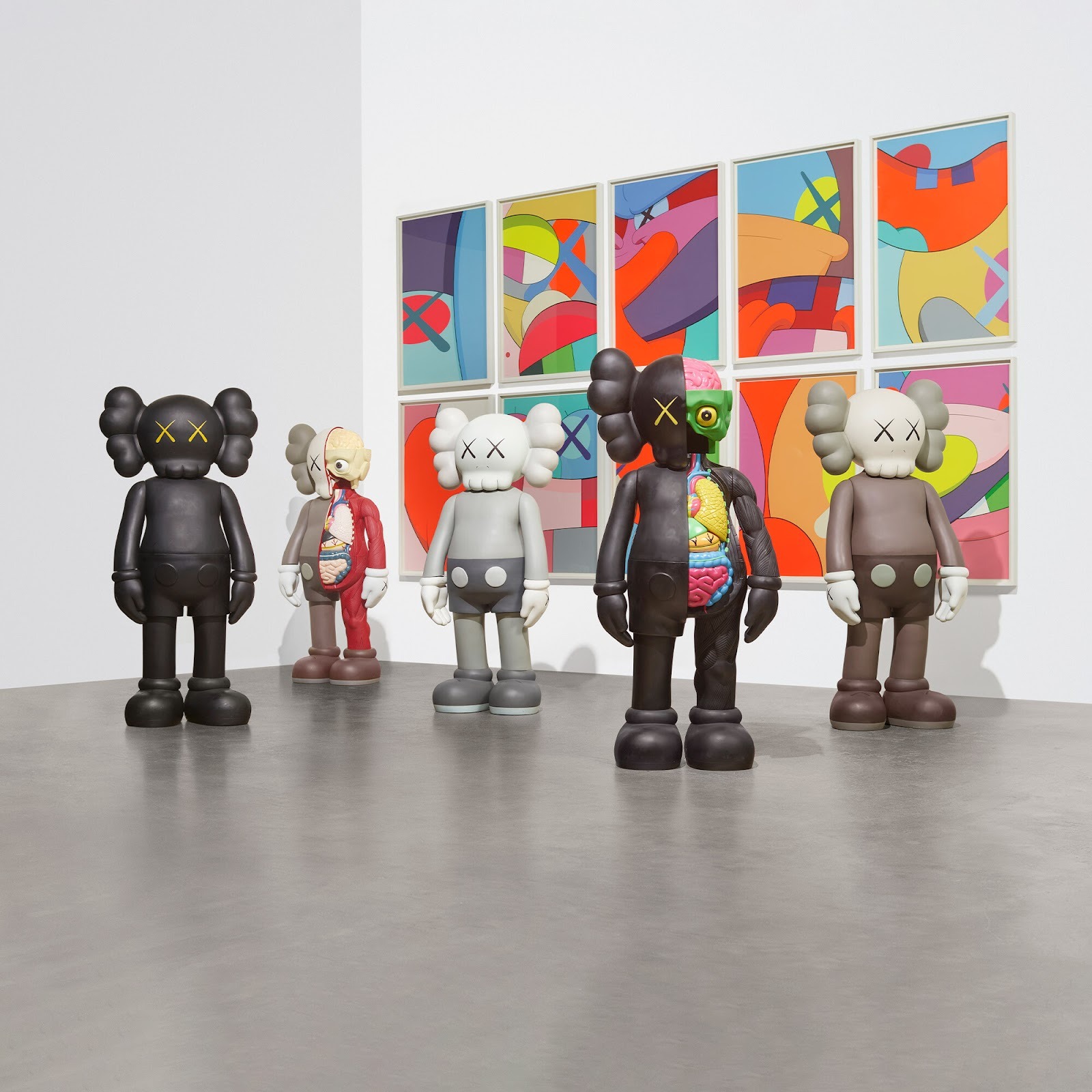
While the Companion figure – with its crossed-out eyes and gloved hands – is undoubtedly his most recognizable creation, Kaws’ artistic practice is incredibly diverse. He works across a multitude of mediums, including painting, sculpture, and even furniture design. His paintings often reimagine iconic cartoon characters, while his sculptures range from large-scale public installations to smaller, collectible figures.
The appeal of Kaws’ work lies in its ability to tap into a sense of nostalgia and childhood wonder, while simultaneously offering a critical commentary on contemporary culture. The Companion, in particular, embodies a feeling of longing and vulnerability. It’s a character that feels both familiar and alien, prompting viewers to reflect on their own experiences and emotions. The initial interest in his work grew from the street art community and quickly expanded to a broader collector base.
Early pieces, particularly those from the late 90s and early 2000s, were relatively accessible, but prices began to climb steadily with increasing recognition. Museum shows and high-profile collaborations played a significant role in establishing Kaws as a major force in contemporary art. His work resonated particularly strongly with a generation that grew up immersed in pop culture and consumerism.
Tracking companion prices
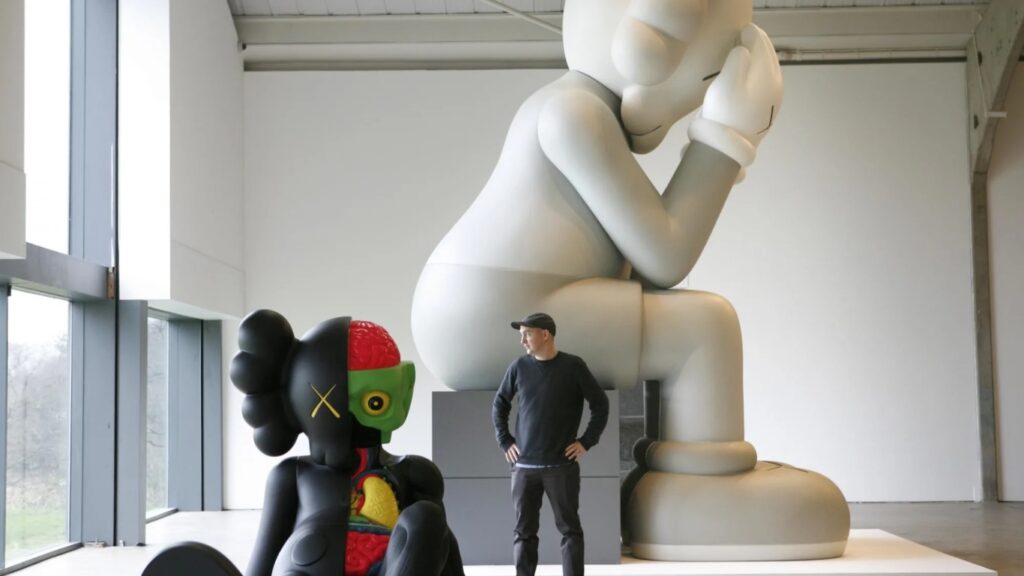
The price of Kaws Companion figures has seen dramatic increases over the past decade. According to Artsy data, a Companion (Resting Place) sold for $437,500 in 2019. This was a significant benchmark, demonstrating the growing demand for his work. Smaller editions and colorways, while less expensive, have also seen substantial appreciation. For example, a grey Companion in good condition from the early 2000s could sell for anywhere between $10,000 and $30,000 now, a considerable increase from just a few years ago.
Key moments that drove price increases include the "Along the Way" exhibition in Hong Kong in 2019, which featured a massive inflatable Companion floating above Victoria Harbour. This event generated significant media attention and fueled collector interest. Collaborations with brands like Dior have also had a major impact, with limited-edition pieces selling for tens of thousands of dollars at auction.
There is a big difference between grey market sales and authenticated sales. The grey market, which includes resale platforms and private sales, often sees inflated prices driven by hype and scarcity. Authenticated sales, typically through established auction houses like Sotheby’s and Christie’s, provide more reliable price data and a greater degree of assurance regarding authenticity.
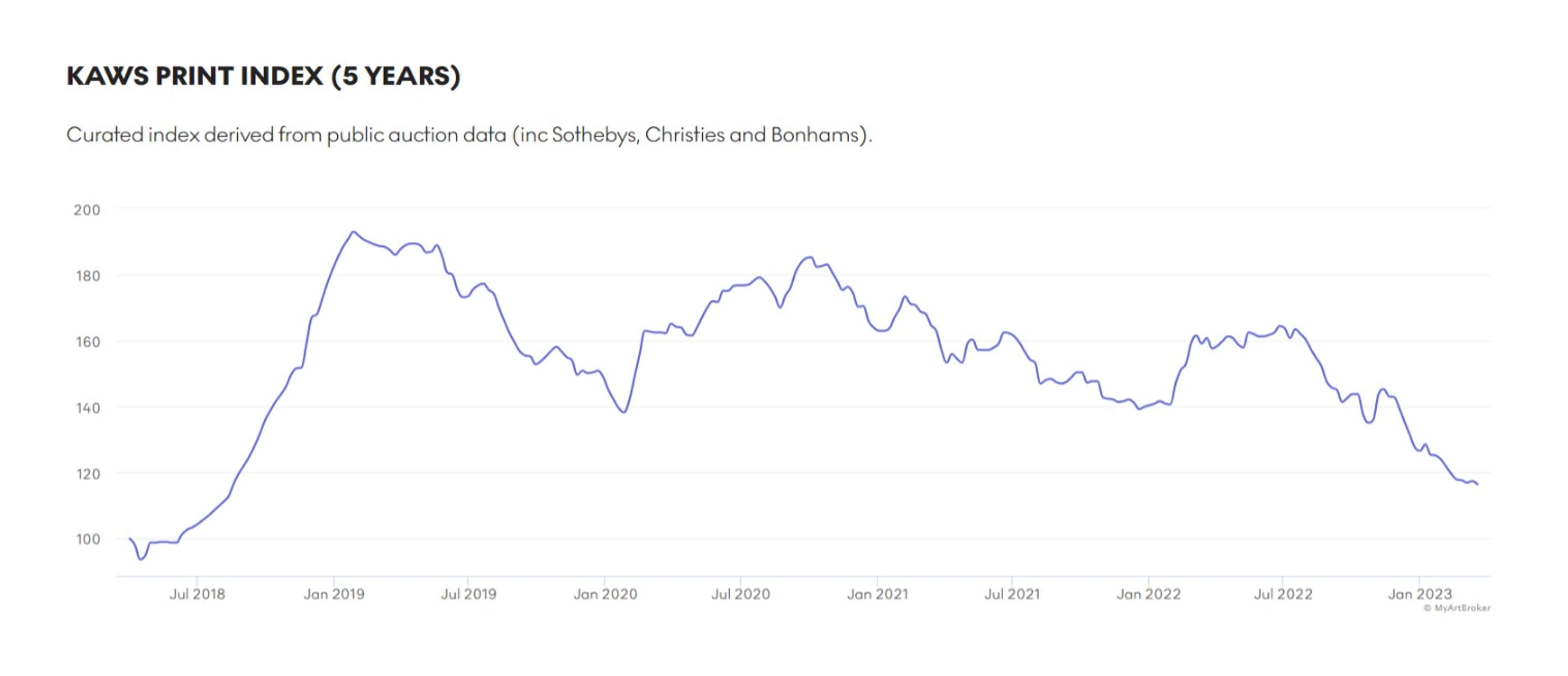
The market hasn’t been without volatility. There have been periods of correction, particularly in 2022, when broader economic concerns impacted the art market. The long-term trend for Companion figures is still up. Edition size matters most here; smaller runs always command higher prices. Be wary of inflated prices; a lot of the current pricing is driven by speculation, and a bubble could potentially burst.
Undervalued works to watch
While the Companion figure dominates the Kaws market, several other works offer significant investment potential. His earlier paintings, particularly those from the early 2000s, are often overlooked but are steadily gaining recognition. These pieces, which frequently feature reimagined cartoon characters with Kaws’ signature aesthetic, are becoming increasingly scarce and desirable. I’ve noticed a growing interest in his work inspired by Peanuts characters.
Specifically, consider his Passing Through series from 2002-2003. These paintings, characterized by muted colors and a melancholic atmosphere, represent a pivotal moment in Kaws’ artistic development. They’re often available at prices significantly lower than comparable Companion sculptures. They’ve seen a 15-20% increase in value over the last two years, which is promising.
Early sculptures, predating the widespread popularity of the Companion, also present an opportunity. Pieces like the Bent Figure (2006) and various iterations of the Kimpsons (early 2000s) are relatively rare and haven't yet experienced the same level of price appreciation as the Companion. The Kimpsons, being a direct commentary on pop culture, are likely to attract further attention as nostalgia continues to influence the art market.
Limited-edition prints, particularly those released through collaborations with galleries like Honor Fraser, are another area to explore. However, due diligence is crucial – not all prints are created equal. Focus on editions with low numbers and unique characteristics. The Drawing Center exhibition in 2024-2025 showcased a range of his collection, potentially drawing attention to less-known works. These pieces, often overlooked in favor of the Companion, could see a boost in value as collectors broaden their horizons.
Kaws Art Investment Potential: A Qualitative Assessment (2026 Outlook)
| Artwork Title | Rarity | Historical Significance | Aesthetic Appeal | Market Momentum |
|---|---|---|---|---|
| COMPANION (Grey) | Highly Limited Editions | Iconic representation of Kaws's signature style; seminal work. | Universally acclaimed, emotionally resonant design. | Strong and consistent demand; a cornerstone of Kaws collecting. |
| SMALL LIE | Limited Edition Bronze Sculptures | Demonstrates Kaws’s exploration of form and material, moving beyond vinyl. | Combines playful and melancholic elements; visually striking. | Increasingly sought after by collectors; appreciating value. |
| CHUM | Variable – Multiple Editions & Sizes | Early example of Kaws’s character development and appropriation. | Distinctive, recognizable character; appeals to a broad audience. | Generally accessible price point, potential for growth with larger sizes/rarer colorways. |
| BENDY | Limited Edition Sculptures | Represents a shift towards more complex and articulated forms. | Unique pose and expressive features; considered a more sophisticated work. | Growing collector base; solid investment potential. |
| GONE FISHIN' | Limited Edition Print | Illustrates Kaws's skill in printmaking and his use of color. | Playful and engaging imagery; popular among newer collectors. | Good entry point for investment; consistent demand. |
| PASSING THROUGH | Limited Edition Sculpture | Explores themes of transience and memory. | Striking visual impact; emotionally evocative. | Appreciating value due to its conceptual depth and limited availability. |
| HOLIDAY | Multiple Editions (Various Sizes/Materials) | Globally recognized inflatable figure; significant public art presence. | Playful and monumental scale; creates a strong visual impression. | Demand driven by cultural impact; larger editions and unique materials command higher prices. |
| TWO FALSE FRIENDS | Limited Edition Sculpture | A more recent work showcasing Kaws's continued evolution. | Complex composition and nuanced expression; appealing to established collectors. | Early signs of strong market interest; potential for significant appreciation. |
Illustrative comparison based on the article research brief. Verify current pricing, limits, and product details in the official docs before relying on it.
The risk of collaborations
Kaws’ collaborations are a double-edged sword for collectors. While some offer genuine artistic value and potential for appreciation, others are driven purely by hype and may not hold their value long-term. The Dior collaboration, particularly the Bee plush and the Companion-shaped bags, have proven to be relatively stable investments, commanding high resale prices. The limited quantities and association with a luxury brand contribute to their desirability.
However, the Uniqlo collaborations, while initially popular, are a different story. The sheer volume of items produced significantly diminishes their scarcity and long-term investment potential. While some pieces may retain a small premium over retail price, they’re unlikely to experience substantial appreciation. They’re more of a fashion statement than a serious art investment.
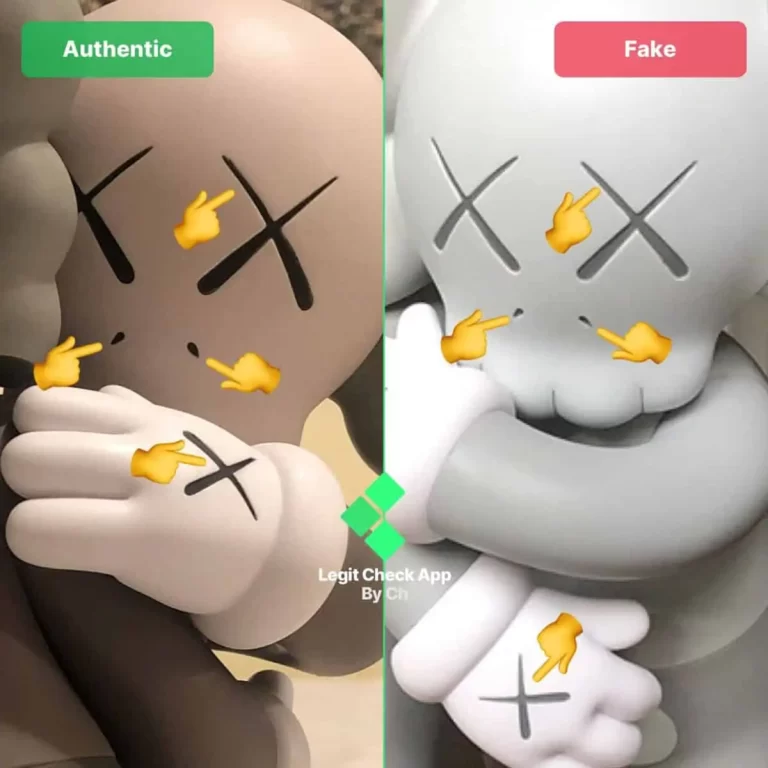
Authentication is paramount when dealing with limited-edition Kaws pieces. Counterfeits are prevalent, particularly online. Always purchase from reputable sources – established galleries, auction houses, or authorized retailers. Look for certificates of authenticity and carefully examine the quality of materials and construction. The Kaws Studio occasionally assists with authentication requests, but their resources are limited.
Beware of inflated prices on resale platforms. Scarcity is often artificially created by resellers looking to capitalize on demand. Research comparable sales and be wary of prices that seem too good to be true. Remember, the value of a collaboration is ultimately determined by its artistic merit, rarity, and the long-term reputation of the collaborating brand.
- Check for certificates and look closely at the physical construction.
- Compare the asking price against recent public auction results.
- Buy from Reputable Sources: Galleries, auction houses, authorized retailers.
The shift toward paintings
Kaws’ paintings have historically been overshadowed by his figures, but the market is shifting. Prices for his paintings have been steadily increasing, particularly for larger-scale works and those featuring his signature characters. In 2023, Untitled (Kimpsons) sold for $360,000 at auction, demonstrating the growing demand for his painted works.
His style comes from artists like Takashi Murakami. He uses bright colors and playful images to mix fine art with pop culture. This influence adds to the collectibility of his paintings, appealing to collectors who appreciate both artists. The use of layering and bold outlines are characteristic of his style.
Popular styles include his reinterpretations of classic cartoon characters, such as SpongeBob SquarePants and Mickey Mouse, as well as his abstract compositions featuring the Companion figure. Paintings from his Along the Way series are particularly sought after, reflecting the themes of travel and displacement.
Emerging artists within this medium are drawing inspiration from Kaws’ approach to painting, blending fine art techniques with pop culture references. This suggests a growing recognition of his influence on contemporary art. The market for Kaws paintings is still relatively nascent compared to his sculptures, presenting a potential opportunity for investors.
Market outlook for 2026
I spoke with several art market professionals to get their perspective on the future of Kaws’ work. Sarah Miller, an art advisor specializing in contemporary art, believes that "Kaws’ paintings will continue to gain traction, particularly as collectors seek out less-saturated segments of his oeuvre."
Gallery owner David Chen noted, "The Companion figure remains the cornerstone of his market, but I anticipate increased demand for his earlier sculptures and limited-edition prints. The key will be scarcity and condition."
Experienced Kaws collector, Emily Carter, shared, "I think the collaborations will continue to be a mixed bag. The Dior pieces are likely to hold value, but the Uniqlo items are primarily for fans. Investing in his core body of work – the Companion, the paintings, and the early sculptures – is the safest bet."
Overall, the consensus is that Kaws’ market will remain strong, but collectors should be discerning and focus on quality, rarity, and authenticity. While significant price increases are still possible, the days of exponential growth may be over. A more measured appreciation is likely in the coming years.
No comments yet. Be the first to share your thoughts!