

A visual history
Brian Donnelly, known professionally as Kaws, began his career as a graffiti artist in the late 1990s. He quickly moved beyond traditional tagging, incorporating figurative work into his street art. This early work, often depicting reimagined cartoon characters, laid the foundation for his now-iconic figures. The Companion figure, first appearing in 1999, is arguably his most recognizable creation, and its evolution has mirrored Kaws’s own artistic development.
The first Companions were small vinyl runs for friends. Since then, the production has shifted toward high-end materials like wood and bronze. It's a clear move from street toys to fine art gallery pieces.
The 2000s saw Kaws collaborating with brands like Nike and Supreme, further expanding his reach and influence. These collaborations weren’t simply licensed products; they were extensions of Kaws’s artistic vision. The Companion figure, in particular, became a canvas for these partnerships, appearing in various colorways and materials. This period also witnessed the introduction of new characters like Chum, adding to the expanding Kaws universe.
More recently, Kaws has created large-scale sculptures for public spaces around the world, solidifying his status as a major contemporary artist. Figures like Along the Way, installed in Doha, Qatar, demonstrate his ability to create impactful and emotionally resonant works on a monumental scale. The figures continue to evolve, with ongoing experimentation in form, texture, and color. The influence of Japanese sofubi toys is clear in many of his designs, and he continues to draw inspiration from pop culture and art history.
The flood of fakes
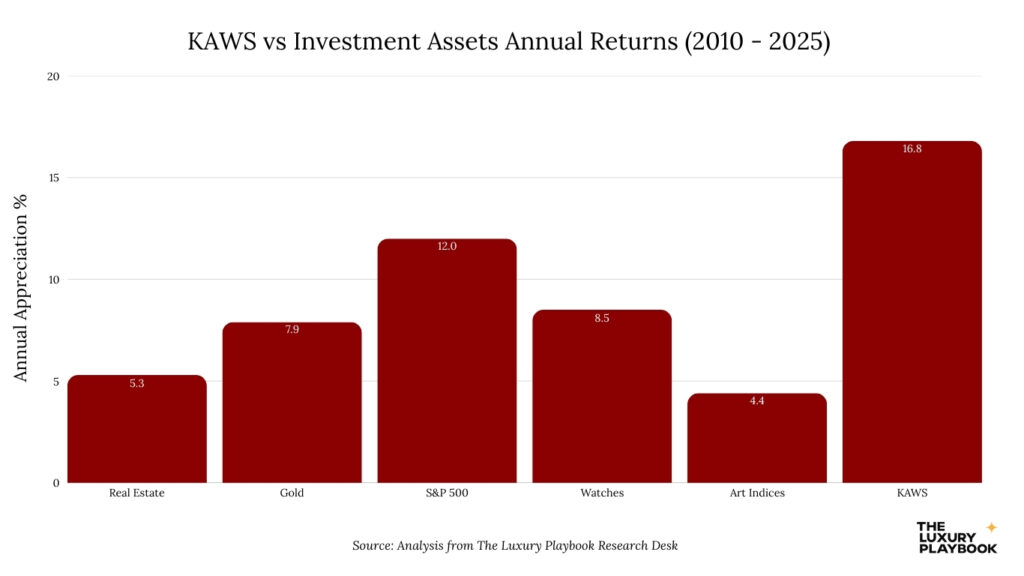
The increasing demand for Kaws figures, coupled with their high resale value, has unfortunately led to a significant rise in counterfeit products. Kaws’s work consistently fetches impressive prices on the secondary market – some limited-edition pieces now sell for tens of thousands of dollars. This makes them a prime target for unscrupulous manufacturers and sellers.
A major factor contributing to the problem is the complexity of Kaws’s production process. While some figures are mass-produced, many are made in smaller batches or are hand-finished, making it difficult to replicate the quality and detail of authentic pieces. This discrepancy allows fakes to slip through, particularly on online marketplaces where verification can be challenging.
The origin of these fakes is often traced back to factories in Asia, where counterfeit goods are manufactured on a large scale. These fakes are then distributed through various channels, including online marketplaces like eBay and social media platforms. While platforms are attempting to crack down on counterfeit listings, it remains a constant battle.
Fakes hurt the secondary market value and make collecting a minefield. You have to be skeptical of every deal that looks too good. The market is messy right now.
Material quality
Real figures use ABS and PVC plastic. They feel heavy and solid in your hand. If a figure feels brittle or light, it's likely a knock-off.
Fake figures often use cheaper, lower-quality plastics that lack the same feel and durability. The plastic may feel rough to the touch or have an unpleasant odor. Pay attention to the weight of the figure – authentic Kaws figures typically have a noticeable heft to them, whereas fakes are often surprisingly light. A significant weight difference is a red flag.
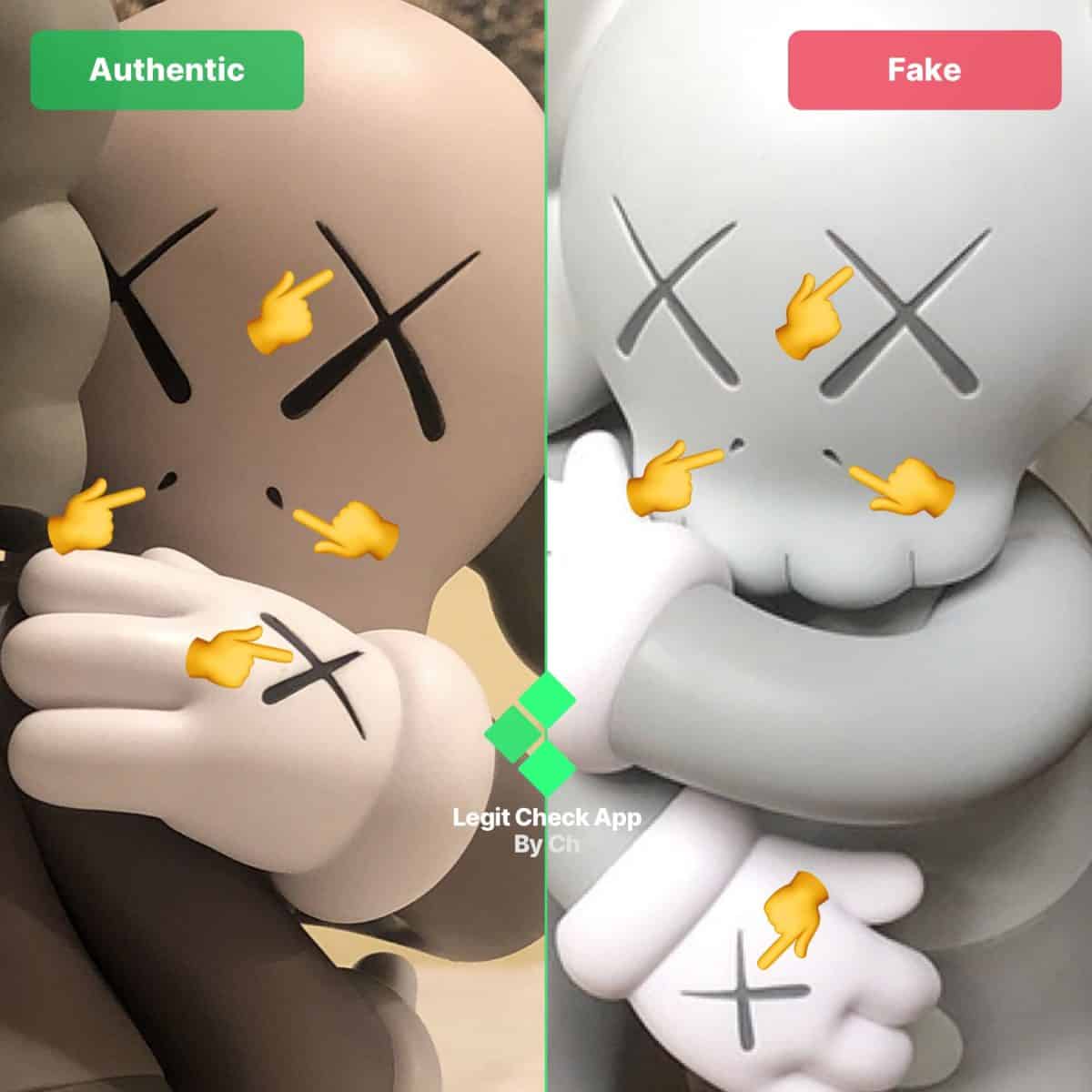
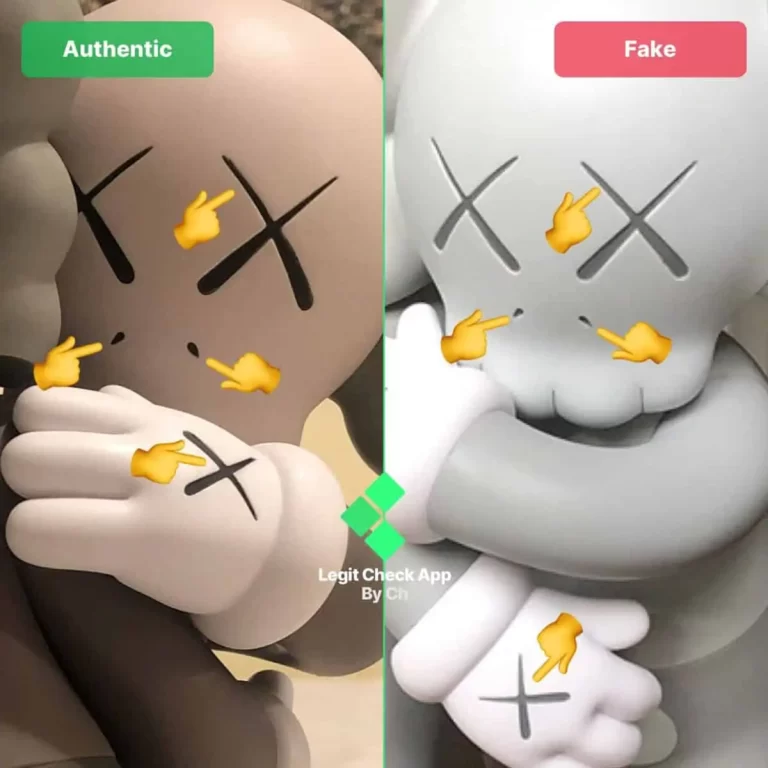
Paint application is another key indicator. Authentic Kaws figures feature a smooth, even coat of paint with crisp, clean lines. The paint should be securely adhered to the plastic and free from blemishes or imperfections. Fakes often exhibit inconsistent paint application, with uneven coverage, smudging, or bleeding.
Here's a quick comparison:
| Feature | Authentic Kaws | Common Fakes | |-------------------|-------------------|-------------| | Plastic Type | ABS & PVC | Lower-grade PVC | | Weight | Substantial | Lightweight | | Paint Application | Smooth & Even | Inconsistent | | Feel | High-Quality | Cheap & Brittle |
Authenticating KAWS Figures: A Comparative Guide (2026)
| Material Category | Authentic KAWS Figure | Common Fake Characteristics |
|---|---|---|
| Vinyl Feel | High-quality vinyl feels substantial and slightly soft to the touch, possessing a degree of flexibility without feeling brittle. | Often feels hard, brittle, or overly smooth/plasticky. May have a noticeable chemical odor. |
Illustrative comparison based on the article research brief. Verify current pricing, limits, and product details in the official docs before relying on it.
Stamps and edition numbers
Kaws figures often feature production marks and edition numbers that can help verify their authenticity. These markings typically appear on the underside of the figure or on a corresponding certificate of authenticity. Pay close attention to the placement, font, and clarity of these markings – inconsistencies are a telltale sign of a fake.
Kaws releases come in different editions: open editions, limited editions, and exclusive editions. Open editions are available for a set period and have no production limit, while limited editions are restricted to a specific number of pieces. Exclusive editions are often released through specific retailers or events and are typically the most sought-after.
Verifying the edition number is crucial. Check the edition number against known releases documented on reputable Kaws collecting websites and forums. Be wary of figures with suspiciously low or high edition numbers. A certificate of authenticity is a good starting point, but it’s not foolproof. Fakes can come with forged certificates.
The quality of the certificate itself is important. Authentic certificates are typically printed on high-quality paper with a professional finish. Look for watermarks, security features, and a clear, legible font. Don't rely solely on the certificate; always examine the figure itself for other signs of authenticity. Many fakes now include convincing replicas of certificates, making it more difficult to rely on them alone.
Spotting Subtle Details: Seams & Sculpting
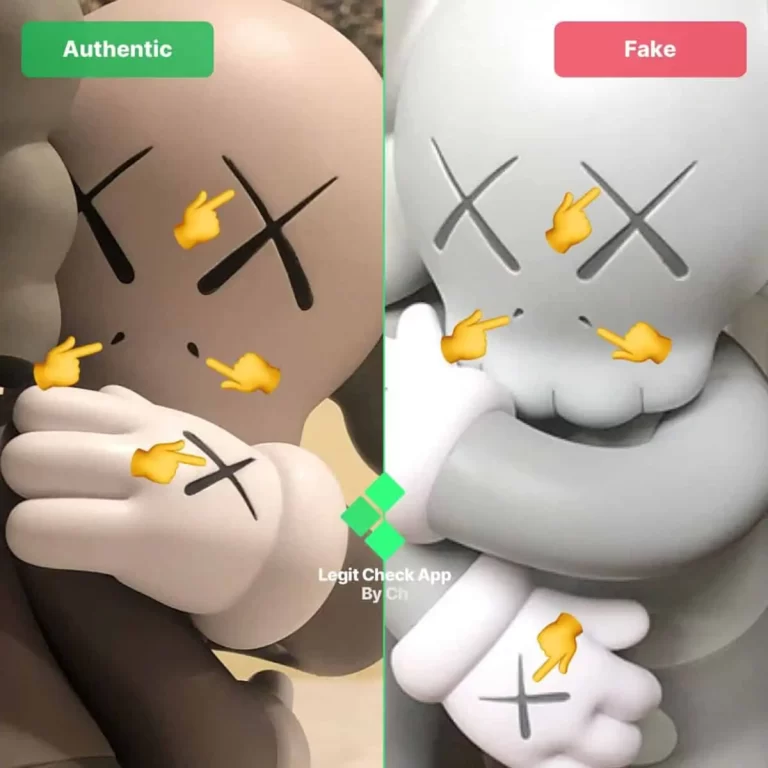
Beyond the materials and markings, subtle details in the sculpting and seams can reveal a fake Kaws figure. Authentic Kaws figures are meticulously sculpted with clean lines and precise details. The seams, where the different parts of the figure are joined, should be smooth and almost invisible.
Fakes often exhibit imperfections in the sculpting, such as blurry details, uneven surfaces, or incorrect proportions. The iconic "X’ eyes, a signature element of Kaws"s work, are often poorly executed on fakes – the shape may be slightly off, or the paint application may be sloppy. Look closely at the shape and placement of these eyes.
Examine the seams carefully. On authentic figures, the seams should be tight and flush with the surface. Fakes often have visible gaps, uneven edges, or excess plastic around the seams. These imperfections are a result of lower-quality manufacturing processes and a lack of attention to detail.
I've seen instances where the finish on a fake figure is noticeably different – either too glossy or too matte. The overall quality of the finish should be consistent throughout the figure. A poorly finished figure is a strong indicator of a counterfeit. These details, though small, can make a big difference in determining authenticity.
Where to buy
Protecting yourself from fakes starts with buying from trusted sources. Established galleries specializing in contemporary art and collectible toys are generally a safe bet. Dope Gallery and Toy Tokyo are both reputable retailers with a proven track record of selling authentic Kaws figures.
Auction houses like Sotheby’s and Christie’s also offer Kaws figures, but be prepared to pay a premium. These auctions typically have rigorous authentication processes in place, providing a higher level of assurance. However, even auction houses aren't immune to fakes, so due diligence is still essential.
Be extremely cautious when buying from online marketplaces like eBay or social media platforms. These platforms are often flooded with fakes, and it can be difficult to verify the authenticity of the items. If you do choose to buy from these sources, carefully examine the seller’s feedback and ask detailed questions about the figure.
Here are a few reliable options:
• Dope Gallery: • Toy Tokyo: • Farfetch:
Essential Tools for Kaws Figure Authentication and Display

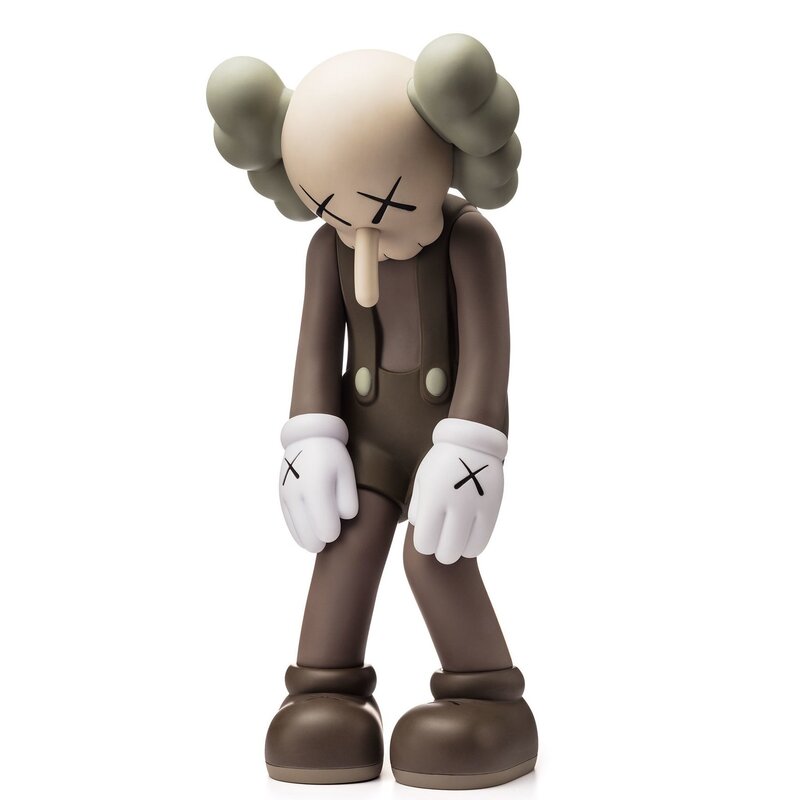
Iconic KAWS Companion figure · Collectible art piece · Distinctive cartoon-inspired aesthetic
This authentic KAWS figure serves as a benchmark for comparison when learning to identify genuine pieces.

Comprehensive guide to color theory and application · Insights from design professionals · Practical examples and case studies
Understanding color principles is crucial for discerning subtle variations in authentic KAWS figures, which can be indicative of fakes.

Protective cases designed for Funko Pop figures · Durable, crystal-clear material · Stackable design for efficient storage
While designed for Funko Pops, these protectors can offer a standardized way to store and display smaller KAWS figures, allowing for closer inspection.

Large acrylic display case · Dustproof and protective showcase · Suitable for large collectibles like Bearbrick 1000%
This case provides a secure and dust-free environment for larger KAWS figures or similar collectibles, preserving their condition for authentication.

Handheld magnifying glass with integrated LED lights · Multiple light modes (cold and warm) · Large lens for comfortable viewing
This illuminated magnifying glass is essential for close examination of intricate details, serial numbers, and subtle imperfections that differentiate authentic KAWS figures from counterfeits.
As an Amazon Associate I earn from qualifying purchases. Prices may vary.
Expert Opinions & Resources
Connecting with the Kaws collecting community can provide valuable insights and resources. Online forums and social media groups dedicated to Kaws collecting are a great place to ask questions, share information, and learn from experienced collectors. Seek out opinions from multiple sources before making a purchase.
While professional authentication services exist, they can be expensive. However, if you’re considering a significant investment, it may be worth the cost for peace of mind. These services typically involve a detailed examination of the figure by an expert who can assess its authenticity.
Common scams to watch out for include sellers offering figures at suspiciously low prices, sellers with limited feedback or a history of negative reviews, and sellers who are unwilling to provide detailed photos or answer questions. If something seems too good to be true, it probably is.
Here are some helpful resources:
• KawsOne Forums: Various online forums dedicated to Kaws collecting. • Reputable Kaws Collectors on Instagram: Search for established collectors with extensive collections.
No comments yet. Be the first to share your thoughts!