

Visual cues for authenticating Kaws
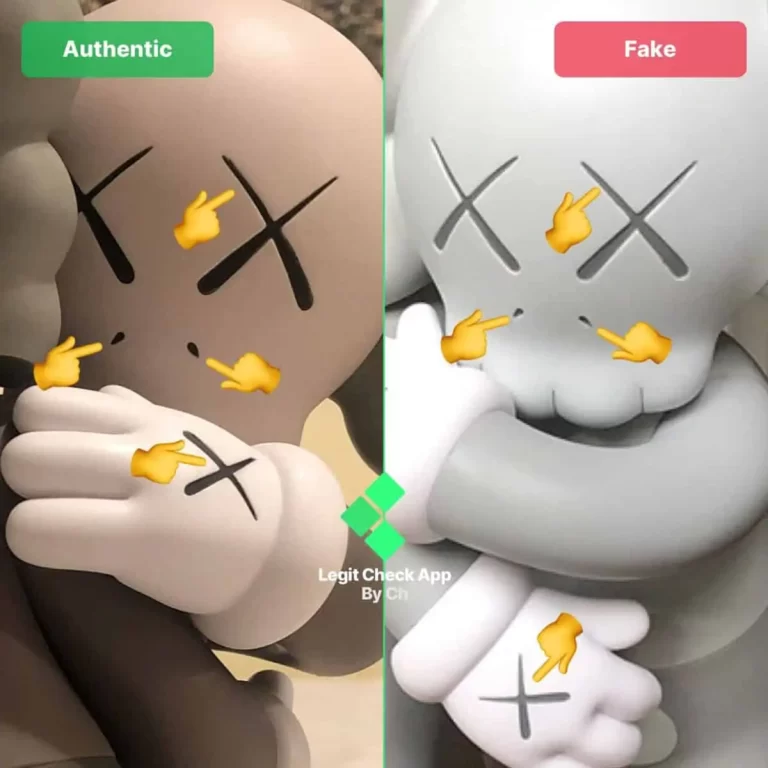
When you first look at Kaws artwork, certain visual cues immediately stand out. The most iconic is, of course, the 'X' eyes – a signature element that became prominent around 1999. But it’s more than just the eyes. Kaws frequently employs a distinctive stitching motif, reminiscent of a plush toy, even on his paintings and sculptures. This detail adds a layer of playful deconstruction to his work.
Color palettes also offer clues. Kaws often favors a limited range of colors: grayscale, black, white, and muted tones. While he does use brighter colors, they are typically employed strategically, not as the dominant scheme. The materials used are also important. For figures, vinyl is key, but the specific type and finish vary. For paintings, look at the canvas weave and the quality of the paint.
Kaws’s style isn't static. His early work looks different from what he's doing now. The 'X' eyes have changed shape and scale over the decades. If you find a piece claiming to be from the late 90s but it uses the refined eye-style of the 2020s, it's a fake. You have to match the specific era's aesthetic to the date on the piece.
Authentic Kaws figures often possess a unique weight and feel, reflecting the quality of the materials used. The surface texture, whether smooth or slightly rough, is also characteristic. Don’t underestimate the importance of these tactile qualities. They can be surprisingly revealing. Remember, the goal isn’t to memorize a checklist, but to develop an intuitive sense of what feels "right" for a Kaws piece.
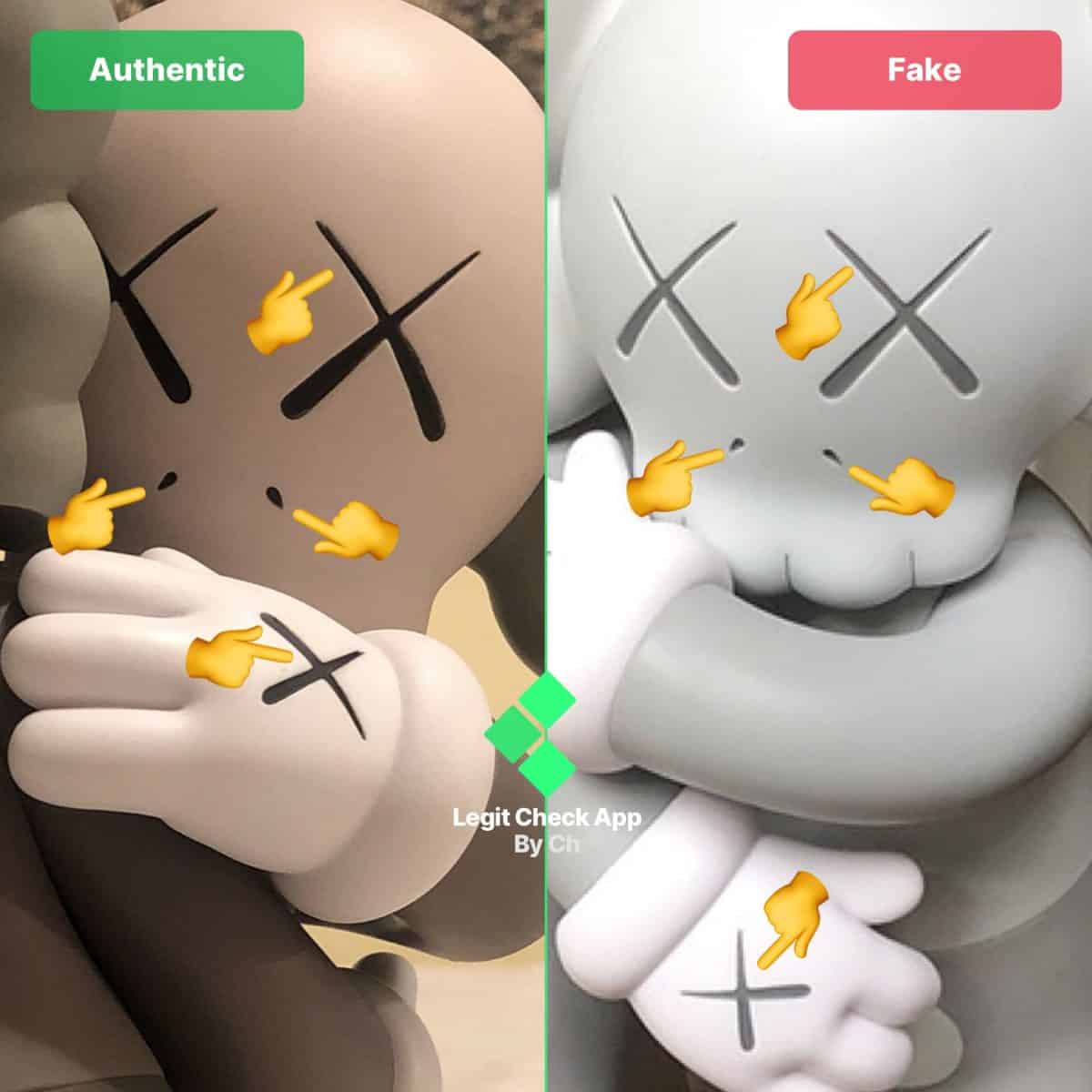
How fakes have changed since 2000
The rise in Kaws’s popularity has, unfortunately, been paralleled by an increase in counterfeiting. Early fakes, appearing in the early 2000s, were relatively easy to identify. These were often crudely manufactured, with obvious flaws in the materials and paint application. They generally targeted the Companion figures, as those were already gaining traction in the collecting world. The vinyl felt cheap, the paint was uneven, and the proportions were often off.
As demand grew, so did the sophistication of the fakes. Around 2010, counterfeiters began to improve their techniques, using better quality vinyl and more accurate paint matching. They started to replicate the subtle details – the stitching, the texture – with greater fidelity. This period saw a surge in fakes originating from overseas, particularly from regions with lower manufacturing costs.
By 2016, the situation had become considerably more challenging. Counterfeiters began utilizing 3D scanning and molding techniques to create near-perfect replicas of Kaws figures. These fakes were often difficult to distinguish from the real thing, even to experienced collectors. They started mimicking limited-edition colorways and packaging, adding to the deception. The Artnet Price Database, as of May 3, 2026, shows a consistent rise in reported fakes submitted for authentication.
Today, in 2026, the fakes are incredibly accurate. Counterfeiters are now adept at replicating not only the physical appearance of Kaws figures but also the packaging and accompanying documentation. They've even started to mimic the subtle imperfections that can occur during the original production process. Understanding this evolution is key to identifying contemporary fakes – you’re no longer looking for obvious errors, but for subtle inconsistencies.
Dissecting Figure Materials & Construction
Most Kaws figures are vinyl, but the weight is the giveaway. Real ones feel heavy and dense. If you pick up a Companion and it feels like hollow, light plastic, it's almost certainly a counterfeit. The vinyl formulation changed slightly over the years, but it always maintains a certain heft that cheap knockoffs can't replicate without adding lead weights inside.
Examine the seam lines. Authentic Kaws figures have clean, precise seam lines that are generally well-hidden. Fakes often exhibit rough, uneven seams, or seams that are visibly patched together. Pay close attention to areas where multiple pieces of vinyl are joined, such as the arms, legs, and head. The quality of the mold is also crucial. Authentic figures have sharp, well-defined details, while fakes often appear blurry or indistinct.
The paint application is a critical area. Authentic figures have a smooth, even coat of paint that is applied uniformly across the surface. Fakes often exhibit uneven coverage, drips, or areas where the paint is too thick or too thin. The paint should be durable and resistant to chipping. Gently test a small, inconspicuous area to assess the paint’s adhesion.
Beyond the vinyl itself, consider the internal structure. Some larger Kaws figures have internal supports or frames. These supports should be securely attached and made of high-quality materials. A flimsy or poorly constructed internal structure is a sign of a fake. I've seen fakes where the internal structure simply collapses under its own weight. Inspecting the bottom of the figure can sometimes reveal clues about the construction.
- Weight: Real figures are heavy; fakes feel like hollow plastic.
- Seam lines: Clean and precise, well-hidden.
- Paint: Smooth, even, durable.
- Internal structure: Secure, high-quality materials.
Checking the paint finish
Kaws utilizes a variety of paint types, including acrylics and enamel, depending on the specific artwork and production run. The paint is typically applied in multiple layers, creating a depth and richness of color. Authentic Kaws paintings and figures have a consistent paint finish – whether matte, glossy, or satin – that is free of blemishes or imperfections.
One common flaw in fakes is incorrect color matching. Counterfeiters often struggle to accurately replicate Kaws’s signature color palettes. Compare the colors to known authentic examples. Subtle differences in hue or saturation can be telltale signs of a fake. Examine the paint under different lighting conditions to reveal any discrepancies.
Look for evidence of overspray or paint bleeding onto unintended areas. Authentic Kaws figures have a clean, crisp paint application with minimal overspray. Fakes often exhibit messy paintwork with noticeable imperfections. The edges of painted areas should be sharp and well-defined. A blurry or feathered edge indicates a lower-quality paint job.
Pay attention to the texture of the paint. Authentic Kaws figures have a smooth, even paint surface. Fakes often have a bumpy or uneven texture, indicating a poor-quality paint application. Gently run your fingers over the painted surface to assess its smoothness. The paint should feel consistent and uniform throughout.
Authenticating Kaws Paintings: Layers of Proof
Authenticating Kaws paintings is significantly more complex than authenticating figures. The process requires a thorough examination of the canvas, stretcher bars, paint layering, and provenance. Canvas quality is paramount. Kaws typically uses high-quality linen or cotton canvas that is tightly woven and durable. A flimsy or poorly made canvas is a red flag.
Examine the stretcher bars. Authentic Kaws paintings are stretched onto professionally made stretcher bars that are made of high-quality wood. The stretcher bars should be sturdy and well-constructed. Look for signs of warping or damage. The way the canvas is attached to the stretcher bars is also important – it should be neat and secure.
Paint layering is a key indicator of authenticity. Kaws often builds up layers of paint, creating a textured and dimensional surface. Examine the paint layers under magnification to assess their thickness and consistency. Fakes often have a thin, flat paint application that lacks depth. Look for evidence of underpainting or preliminary sketches.
Provenance is crucial. A clear and verifiable provenance – a detailed history of ownership – is essential for authenticating a Kaws painting. Trace the painting’s ownership back as far as possible, documenting each transaction with receipts, invoices, and any other relevant documentation. The Artnet Price Database can be a useful resource for researching the provenance of Kaws paintings.
Authenticating KAWS Artwork: Comparison of Characteristics (2026)
| Characteristic | Authentic KAWS | Commonly Observed in Fakes |
|---|---|---|
| Canvas Type | High-quality, often custom-milled linen or cotton canvas. Canvas weave is consistent and tight. | Lower-grade canvas materials. Inconsistent weave or visible imperfections are common. |
| Paint Quality | Professional-grade acrylic and oil paints with distinct texture and layering. Pigment saturation is rich and even. | Inferior quality paints with a flat or chalky appearance. Pigment may appear faded or unevenly applied. |
| Signature Style | KAWS signatures are consistent in style, though slight variations exist. Often located in a discreet area of the canvas. | Signatures are often poorly executed, with incorrect proportions or spelling errors. May appear overly prominent or forced. |
| Provenance Documentation | Clear and documented ownership history, including gallery or auction records, certificates of authenticity from reputable sources, and previous collector information. | Lack of verifiable provenance. Documentation may be incomplete, fabricated, or from unverified sources. |
| UV Light Examination | Under UV light, authentic KAWS paintings should exhibit minimal or no fluorescence from the paint layers, indicating original materials. | Fakes may show significant fluorescence under UV light, suggesting the use of modern or altered paints. |
| Overall Feel & Detail | A sense of depth and intentionality in the artwork. Fine details are meticulously executed and consistent with KAWS’ established style. | Artwork may appear flat or lacking in nuance. Details are often sloppy or inconsistent with KAWS’ known techniques. |
| Layering & Texture | KAWS frequently uses layering techniques, building up paint to create texture and dimension. Brushstrokes are deliberate and contribute to the overall aesthetic. | Fakes often lack the depth and complexity of layering seen in authentic works. Brushstrokes may appear haphazard or unnatural. |
Illustrative comparison based on the article research brief. Verify current pricing, limits, and product details in the official docs before relying on it.
Provenance & Documentation: The Paper Trail
A solid provenance is arguably the most important factor in authenticating any Kaws artwork, but especially paintings. Without a clear record of ownership, it’s incredibly difficult to establish authenticity. Essential documentation includes original receipts from reputable galleries or dealers, invoices detailing the purchase price and date, and any exhibition history.
Research the piece’s history meticulously. Trace its ownership back to the original source, if possible. Contact previous owners to verify their involvement and obtain any relevant documentation they may possess. Be wary of gaps in the provenance or inconsistencies in the documentation. A break in the chain of ownership should raise concerns.
Kaws’s studio maintains records of all authorized sales and can sometimes assist in verifying authenticity. However, they do not offer formal authentication services. Contacting the studio with detailed information about the artwork and its provenance may yield valuable insights. Dane Fine Art reports a growing number of inquiries regarding provenance verification.
Red flags include a lack of documentation, suspicious provenance, or a history of questionable transactions. Be wary of artwork that has been acquired from unknown sources or through questionable channels. Always exercise due diligence and conduct thorough research before making a purchase.
Expert Opinions & Authentication Services
While Kaws’s studio does not offer formal authentication, several reputable art experts and authentication services specialize in Kaws artwork. These experts possess the knowledge and experience to assess authenticity and provide a professional opinion. However, it’s important to understand that even expert opinions are not foolproof.
Some well-regarded authentication services include Artest and various independent art appraisers specializing in contemporary art. Costs for authentication can vary widely, ranging from several hundred to several thousand dollars, depending on the complexity of the artwork and the scope of the assessment. Be sure to obtain a clear estimate before engaging an authentication service.
It’s crucial to be realistic about what these services can guarantee. Authentication is not an exact science, and there is always a degree of uncertainty involved. An expert opinion should be considered as one piece of evidence, along with the provenance, materials, and other factors.
Avoid relying solely on online forums or social media for authentication. While these platforms can be useful for gathering information, they are not a substitute for a professional opinion. Be wary of unqualified individuals offering authentication services online. Always verify the credentials and reputation of any expert before seeking their advice.
Authentication Resources
- Artest - Artest specializes in modern and contemporary art authentication, including KAWS. They offer comprehensive research and reports. Contact via their website for a consultation and quote. Estimated cost: $300 - $1500+ depending on complexity. Turnaround: 4-8 weeks.
- Authenticate First - This service provides authentication for a range of artists, including KAWS figures and paintings. They require detailed photographs and provenance information. Contact through their online form for pricing. Estimated cost: $250 - $800. Turnaround: 3-6 weeks.
- Professional Sports Authenticator (PSA) - While known for collectibles, PSA also authenticates certain KAWS figures, particularly those with limited edition releases and accompanying certificates. Check their website for accepted KAWS series. Contact via their website. Estimated cost: $75 - $200 per item. Turnaround: 2-4 weeks.
- MyArtBroker - A brokerage and authentication service, MyArtBroker offers KAWS authentication as part of their consignment or sale process. They have in-house experts and a network of advisors. Contact via their website for a valuation and authentication quote. Estimated cost: Varies significantly based on artwork value. Turnaround: 2-6 weeks.
- Art Recognition - Art Recognition provides authentication services for a wide range of artists. They require detailed images and provenance. Contact through their website for a quote. Estimated cost: $400 - $1200+. Turnaround: 4-10 weeks.
- Independent Appraisers (ISA Certified) - Hiring an ISA-certified appraiser specializing in contemporary art can provide an authentication opinion. Search the ISA directory for qualified appraisers in your area. Cost: $150 - $500 per hour. Turnaround: Varies based on appraiser availability.
- KAWS Studio Direct Inquiry - For highly significant or early works, contacting KAWS Studio directly *may* be possible, though they do not offer a formal authentication service and respond on a case-by-case basis. Information on contacting them is limited and often goes through galleries. Cost: N/A, but unlikely to be accepted for standard authentication requests. Turnaround: Highly variable, potentially indefinite.
No comments yet. Be the first to share your thoughts!