

Kaws' Ascent: From Street Art to Auction Block
Brian Donnelly, known as Kaws, started by tagging walls and subway cars in Jersey City in the late 1990s. He developed his style through direct engagement with the urban environment, appropriating and subverting existing imagery.
In the early 2000s, Kaws moved beyond graffiti to experiment with sculpture and limited-edition toys. These weren't mass-produced; they were carefully crafted in small runs, gaining a following among art and design enthusiasts. He navigated the space between fine art and commercial design.
His signature style, featuring characters with crossed-out eyes, gloves, and a melancholic air, emerged during this period. The aesthetic is simple yet evokes a range of emotions. The "Companion" figure originates here.
Kaws transitioned from street art and designer toys to a blue-chip artist commanding high auction prices. This success stems from smart marketing, collaborations with brands like Dior, and an understanding of contemporary culture, which broadened his audience.
The art world, often slow to embrace street artists, has embraced Kaws. Galleries compete for his work, and museums collect it. His rise is unprecedented for an artist who started outside the established system.
Many underestimated Kaws early on, dismissing his work as 'pop' or 'commercial.' He has proven them wrong, showing that art can be accessible and stimulating, playful and profound, redefining what it means to be an artist today.
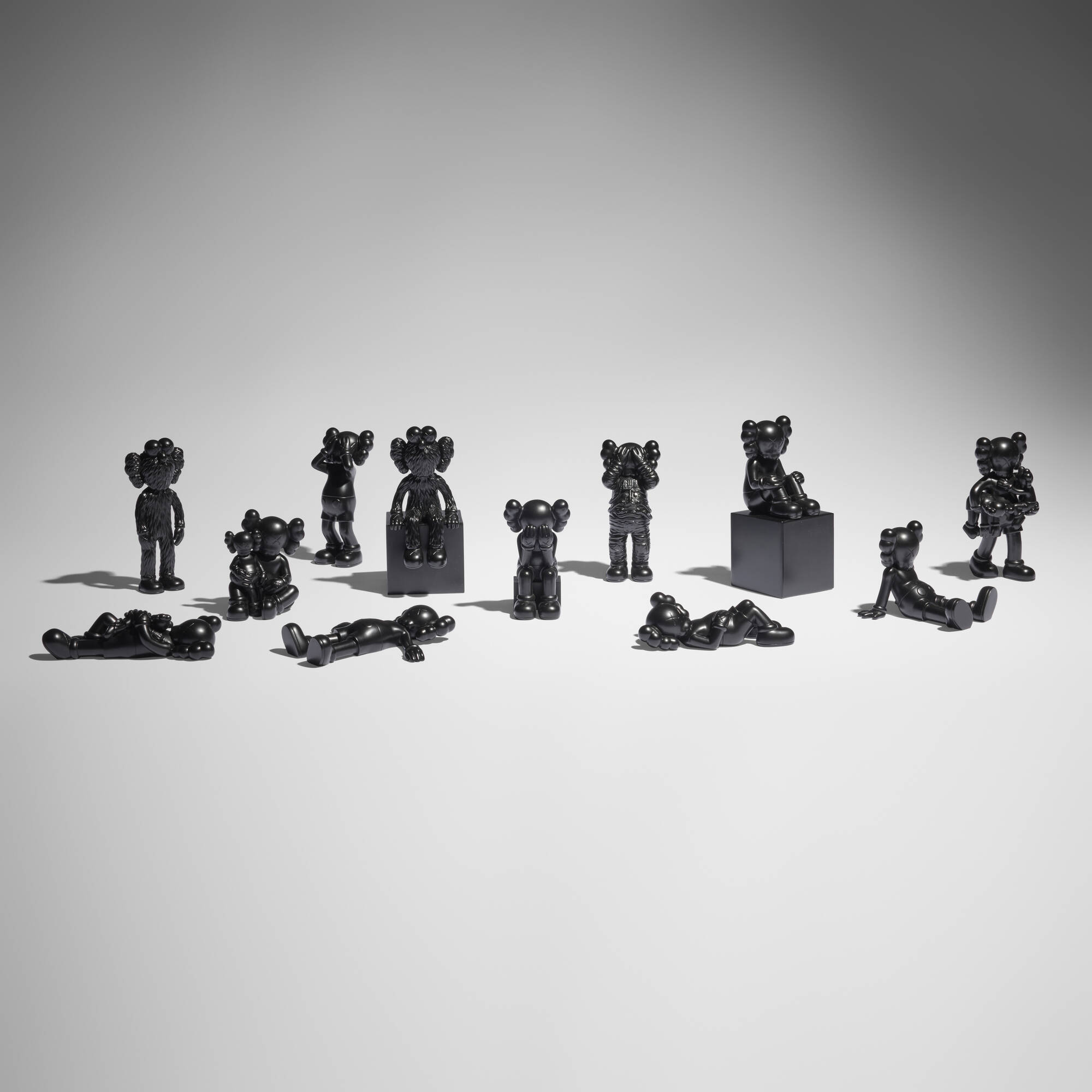
The Companion Phenomenon: Why This Figure Resonates
The "Companion’ figure is Kaws" most iconic creation and a major factor in his market success. First appearing in 1999, it has been reinterpreted in forms from small vinyl toys to large bronze sculptures. Its appeal to collectors worldwide is significant.
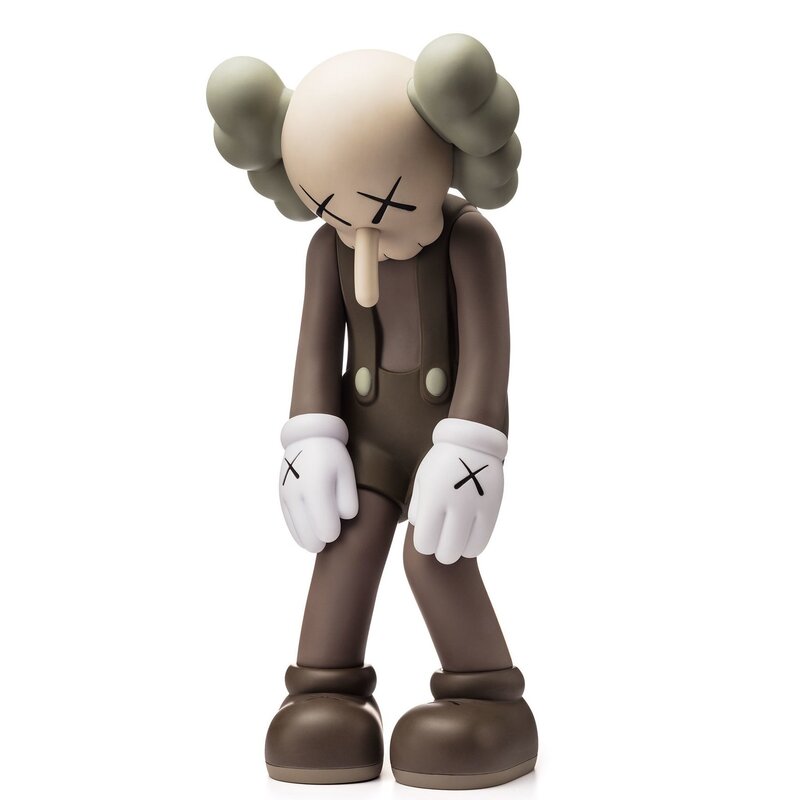
Visually, the "Companion’ is striking. The crossed-out eyes convey sadness, vulnerability, and angst, representing modern alienation that resonates with many. The figure"s slumped or reclining posture emphasizes this melancholy.
The figure’s variations contribute to its appeal. Kaws has released "Companion’ figures in many colors, materials, and sizes, encouraging collectors to seek rare and limited-edition versions. The ‘Companion Rest" sculpture is highly sought after.
Beyond visuals, the "Companion" has cultural significance, symbolizing Kaws' exploration of childhood, memory, and human emotion. It also serves as a status symbol for collectors.
Some art psychologists suggest the crossed-out eyes evoke empathy, prompting viewers to project their own emotions onto the figure. This is a powerful psychological mechanism.
Materials affect value: vinyl figures are more accessible, while bronze or wood sculptures command higher prices. Limited editions from exclusive partnerships are highly sought after.
- Vinyl Figures: Most accessible price point.
- Wood Sculptures: Mid-range in price, often limited editions.
- Bronze Sculptures: Highest price point, considered the most prestigious.
Significant Companion Releases
- Companion (Resting Place) - Released in 2007, this 4ft vinyl figure was an early example of KAWS’ large-scale sculptures and helped establish his presence beyond 2D work. Original retail price approximately $4,000.
- Companion Gray (Limited Edition) - Released in 2008, this 16-inch vinyl figure in gray marked a significant release in terms of collectibility, demonstrating growing demand. Retail price around $250.
- KAWS x Bounty Hunter Companion - A collaboration with Japanese toy manufacturer Bounty Hunter, released in 2009. This figure featured a more rugged, military-inspired aesthetic. Retail price approximately $300.
- Companion BluBlu - Released in 2012, the BluBlu figure represents a shift in KAWS’ exploration of color and form, featuring a vibrant blue colorway. Retail price around $350.
- KAWS x OriginalFake Companion - A series of collaborations with OriginalFake (2006-2013), including various Companion colorways, boosted KAWS' visibility within the streetwear community. Prices varied significantly based on edition.
- Companion (Open Edition) - Released in 2018, this open-edition figure, made of brown vinyl, was a more accessible entry point for collectors, contributing to wider brand recognition. Retail price approximately $200.
- Small Lie Companion (Pink) - Released in 2017, this smaller-scale Companion figure in a striking pink colorway became highly sought after. Retail price around $300.
Auction Results: 2024-2026 Trends
The Kaws art market has grown significantly, with auction results consistently breaking records. 2024 saw strong performance, with several "Companion" figures selling for over $2 million. This momentum continued into 2025 and 2026, with some fluctuations.
In April 2026, a "Companion (Passing Through)’ sculpture sold for $2.7 million at Sotheby’s Hong Kong, a new auction record for a Kaws sculpture, showing strong demand in the Asian market. A ‘Small Lie’ painting fetched $1.8 million at Christie"s New York in February 2025.
Auction houses like Sotheby’s, Christie’s, and Phillips actively court Kaws collectors with dedicated sales and exhibitions, identifying him as a revenue driver in the contemporary art market. Fierce competition inflates prices.
undefined. While Kaws’ work is highly sought after globally, the Asian market – particularly Hong Kong and mainland China – appears to be the most robust. Demand in the US and Europe remains strong, but prices tend to be slightly lower. This likely reflects the larger collector base in Asia and its growing economic power.
Looking at the broader trends, "Companion’ figures in good condition consistently outperform other Kaws pieces at auction. Limited-edition colorways and larger-scale sculptures command the highest prices. Paintings, while valuable, generally sell for less than comparable sculptures. This suggests that collectors view the figures as the core of Kaws" artistic output.
Generally, prices for Kaws works have increased by roughly 15-20% year-over-year from 2024 to 2026. However, the rate of increase has slowed slightly in the first half of 2026, indicating a potential cooling of the market. It’s too early to say whether this is a temporary correction or the start of a more significant downturn.
Top 10 KAWS Auction Sales (January 2024 - June 2026)
| Piece Name | Auction House | Sale Date | Hammer Price (USD) | Size/Material |
|---|---|---|---|---|
| SMALL LIE | Sotheby's | April 2024 | 6.48 million | 120 x 80 x 50 cm, Painted Cast Vinyl |
| COMPANION (RESTING PLACE) | Phillips | February 2025 | 4.68 million | 228.6 x 149.9 x 76.2 cm, Painted Bronze |
| ACCOMPLICE | Sotheby’s | May 2025 | 2.2 million | 101.6 x 63.5 x 43.2 cm, Painted Bronze |
| KAWS - HOLIDAY | Phillips | December 2024 | 3.1 million | 2.8m x 2.4m x 1.8m, Bronze |
| GONE FISHING | Christie’s | March 2026 | 1.8 million | 80 x 60 x 40 cm, Painted Cast Vinyl |
| CHUM | Sotheby’s | June 2024 | 1.5 million | 76.2 x 50.8 x 38.1 cm, Painted Cast Vinyl |
| COMPANION (GREY) | Christie's | October 2025 | 1.4 million | 40.6 x 25.4 x 15.2 cm, Painted Vinyl |
| BENDY | Phillips | November 2025 | 1.2 million | 101.6 x 63.5 x 43.2 cm, Painted Bronze |
Illustrative comparison based on the article research brief. Verify current pricing, limits, and product details in the official docs before relying on it.
The Role of Scarcity and Limited Editions
Kaws has masterfully employed scarcity as a key driver of demand for his work. He frequently releases limited-edition figures, prints, and other collectibles, often in collaboration with retailers and galleries. This creates a sense of urgency and exclusivity, encouraging collectors to purchase items quickly before they sell out.
Release mechanisms vary. Some items are released through online drops, where collectors must enter a lottery or queue up for hours to have a chance to purchase. Others are exclusive to specific galleries or retailers, requiring collectors to travel or pay a premium on the resale market. These tactics build hype and foster a sense of community among collectors.
The secondary market plays a significant role in the Kaws ecosystem. Platforms like StockX and GOAT have become major hubs for buying and selling Kaws collectibles, often at prices far above the original retail value. This resale market amplifies the effects of scarcity, driving up prices for rare and desirable items.
There’s no question that "hype culture’ plays a role in the Kaws phenomenon. Social media platforms like Instagram are awash with images of Kaws collectibles, fueling demand and creating a sense of status associated with owning these items. It"s a self-reinforcing cycle of demand and desirability.
However, it’s important to note that scarcity isn’t solely about artificial manipulation. Kaws’ limited editions are often the result of genuine production constraints or artistic considerations. He’s a perfectionist who insists on maintaining a high level of quality, which limits the number of items he can produce.
Dope! Gallery and Toy Tokyo: Key Retailers
Dope! Gallery and Toy Tokyo have been instrumental in shaping the Kaws market, particularly in its early stages. Dope! Gallery, established in 2013, quickly became a go-to destination for Kaws collectors, offering a curated selection of toys, posters, prints, and other collectibles. They’ve consistently championed Kaws’ work and built a loyal following.
Toy Tokyo, another prominent retailer, has also been a key player in the Kaws market. They offer a wide range of designer toys and art figures, including a substantial selection of Kaws pieces. Both retailers have a strong online presence, allowing them to reach a global audience.
What sets these retailers apart is their ability to curate their selections and connect with collectors. They don’t just sell products; they build a community around them. They host events, release exclusive items, and engage with collectors on social media.
Their online presence is crucial. Dope! Gallery offers worldwide shipping, making Kaws collectibles accessible to collectors around the globe. Toy Tokyo's website provides a comprehensive catalog of Kaws items, allowing collectors to browse and purchase from anywhere in the world. This global reach has been instrumental in driving demand for Kaws’ work.
Collectors and the Kaws Community
The Kaws collector base is surprisingly diverse. It includes traditional art collectors, streetwear enthusiasts, and a growing number of younger collectors who are drawn to Kaws’ playful aesthetic and cultural relevance. There’s a significant overlap between these groups, creating a unique and vibrant community.
Many collectors are motivated by the investment potential of Kaws’ work. The consistent increase in value has made Kaws collectibles an attractive alternative asset class. However, passion for the art itself is also a major driving force. Collectors genuinely appreciate Kaws’ artistic vision and the emotional resonance of his work.
Online communities play a vital role in connecting Kaws collectors. Instagram is a particularly popular platform, with numerous accounts dedicated to showcasing Kaws collectibles and sharing information. Online forums and Facebook groups also provide spaces for collectors to connect and trade.
The social aspects of collecting Kaws are significant. Collectors enjoy sharing their collections with others, discussing their favorite pieces, and participating in the broader Kaws community. It’s a sense of belonging and shared passion that enhances the collecting experience. There's a real camaraderie among Kaws collectors, a shared understanding of the artist's appeal.
Beyond the Figures: Paintings and Other Works
While Kaws figures dominate the market, his paintings and other artistic creations are also highly valued. His paintings often feature the same characters and motifs as his sculptures, but explore them in a different medium. They offer a more intimate and nuanced experience of Kaws’ artistic vision.
Paintings generally sell for less than comparable sculptures, but prices have been steadily increasing in recent years. The highest price achieved for a Kaws painting at auction is around $1.8 million, significantly lower than the record price for a sculpture. This suggests that the market still views the figures as the primary focus of Kaws’ output.
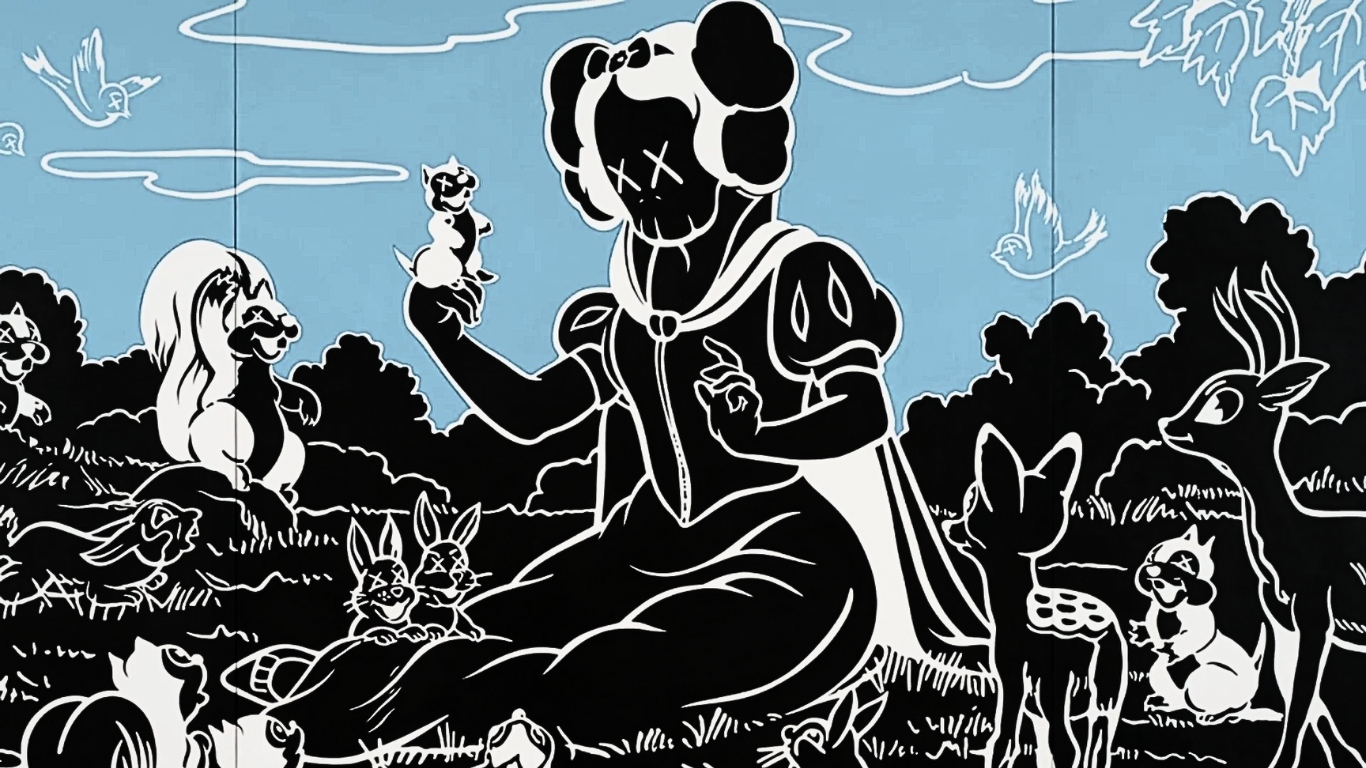
Kaws has also experimented with other mediums, including murals, animations, and fashion collaborations. These projects further demonstrate his versatility as an artist and his ability to engage with a wider audience. They contribute to the overall cultural impact of his work, even if they don’t command the same prices as his sculptures and paintings.
Looking Ahead: Sustainability of the Market
The long-term sustainability of the Kaws art market is a complex question. The current price levels are undoubtedly high, and there’s a risk of market correction. However, Kaws has built a strong brand and a loyal following, which should help to support demand in the future.
Factors that could potentially impact demand include the broader economic climate, changes in collector preferences, and the release of new works by Kaws. A recession or a shift in taste could lead to a decline in prices. However, Kaws’ continued artistic innovation and his ability to connect with a global audience suggest that he’s well-positioned to weather any storms.
Ultimately, the sustainability of the Kaws market will depend on its ability to attract new collectors and maintain the enthusiasm of existing ones. If Kaws continues to produce compelling and thought-provoking work, and if retailers and auction houses continue to promote his art effectively, the market is likely to remain strong for years to come. There's a lot of energy surrounding the artist, and that will be the biggest factor.


No comments yet. Be the first to share your thoughts!