

The rise of Kaws counterfeits
Kaws figures are a massive target for scammers because the resale margins are huge. While the 'X' eyes look simple to copy, the fakes are getting harder to spot. Even if you've been collecting for years, the new wave of bootlegs coming out of factories in 2026 is surprisingly accurate.
Kaws collectibles are popular for a few key reasons. The artist has successfully blended fine art with toy culture, attracting both seasoned art collectors and a younger generation of enthusiasts. The limited edition nature of many Kaws pieces also drives up prices. You’ll find fakes circulating on online marketplaces like eBay and Facebook Marketplace, as well as through less reputable social media sellers. The quality difference between authentic pieces and counterfeits varies wildly, but generally, fakes exhibit lower-quality materials, sloppy paint application, and inaccuracies in sculpting.
To give you a sense of the authentic market, a Kaws Companion Restrained figure from 2019 can easily fetch upwards of $15,000, as noted by inventories at Dope! Gallery. A Kaws Sesame Street set from 2025 is currently listed at Toy Tokyo for around $450. These prices establish a baseline. Anything significantly below these values should immediately raise a red flag. Remember, an unbelievable deal is almost always too good to be true. It’s important to approach every purchase with a healthy dose of skepticism and a commitment to thorough research.
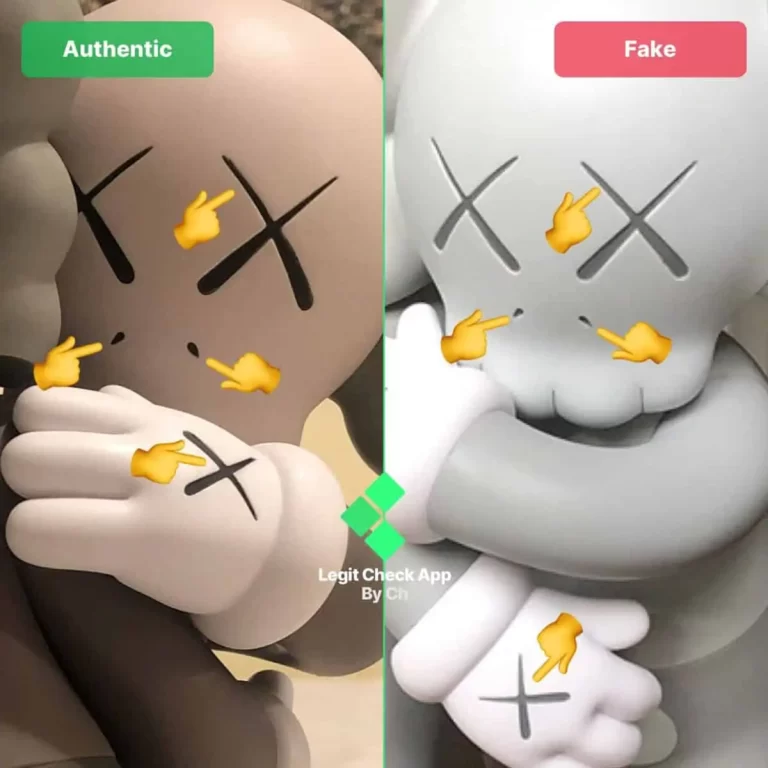
Weight and plastic quality
Authentic Kaws figures are typically made from high-quality vinyl, plastic, or, in some cases, wood. The specific material used depends on the size and edition of the figure. For example, larger Companion sculptures often utilize a combination of materials for structural integrity. The quality of the material is a significant indicator of authenticity. Real Kaws figures feel substantial, with a weight that corresponds to their size and material composition.
Counterfeiters often cut corners by using cheaper, thinner plastics that feel flimsy and lightweight. Pay attention to the texture – authentic vinyl usually has a smooth, slightly tacky feel, while fakes might feel rough or grainy. Even the smell can be a clue. Authentic vinyl often has a distinct plastic odor, while fakes might smell chemically or have no discernible scent at all. Different production runs, like original releases versus later re-editions, can also influence the materials used, but the overall quality should remain consistent.
Subtle differences in plastic texture are frequently giveaways. Authentic figures will have a consistent finish, while fakes might exhibit variations in color or texture across different parts of the figure. Hold the figure and really feel it. Does it feel solid and well-made, or does it feel hollow and cheap? This tactile assessment is one of the first and most important steps in the authentication process.
Packaging & Documentation: What’s Included?
The packaging and documentation accompanying a Kaws figure can provide valuable clues about its authenticity. Authentic figures typically come in high-quality boxes with precise printing and durable construction. The boxes often feature Kaws’ signature logo and edition information. Look for tags, certificates of authenticity (though not all Kaws figures include these), and any other included materials.
Examine the packaging closely for inconsistencies. Are the colors accurate? Is the printing clear and sharp? Does the box feel flimsy or cheaply made? Counterfeiters often skimp on packaging quality, using inferior materials and inaccurate printing. Be wary of boxes that are damaged, faded, or have misspellings. Even the font used on the packaging can be a clue – authentic Kaws packaging uses specific fonts that are difficult to replicate.
However, it’s important to remember that packaging can also be faked. Sophisticated counterfeiters can create convincing replicas of authentic Kaws boxes. Therefore, packaging should not be the sole basis for your authentication decision. It’s just one piece of the puzzle. A missing or altered box should raise concerns, but a seemingly perfect box doesn’t guarantee authenticity.
Limited Editions & Serial Numbers
Limited edition Kaws figures are particularly susceptible to counterfeiting, making the verification of edition numbers crucial. Most limited edition pieces are individually numbered, typically on a tag or sticker attached to the figure or the packaging. This number corresponds to the total number of pieces produced in that edition. Verifying the authenticity of a limited edition piece involves checking its edition number against known production runs.
Information about edition sizes and release dates can often be found on Kaws’ official website, through reputable galleries, or in art publications. However, this information isn’t always readily available, especially for older or more obscure releases. Farfetch currently lists a Kaws Family “2022” figure set for $1,166, and a Holiday Thailand figure for $710, both of which are limited editions. Confirming the reported edition size is a good first step.
Unfortunately, fake serial numbers are common. Counterfeiters will often duplicate existing edition numbers or create entirely fabricated numbers. If you suspect a fake serial number, try to contact the gallery or artist who originally released the figure to verify its authenticity. Be cautious of sellers who are unwilling to provide clear photos of the edition number or who offer vague explanations about its origin.
Where to Buy: Trusted Sources
Protecting yourself from buying a fake Kaws figure starts with choosing a reputable source. Established galleries, auction houses, and online marketplaces with a proven track record of selling authentic pieces are your best bet. Dope! Gallery and Toy Tokyo are excellent examples of reliable online retailers specializing in Kaws collectibles. These sources typically have authentication processes in place and are more likely to stand behind the authenticity of their products.
Be extremely cautious when buying from less-known sources, such as private sellers on social media or online marketplaces. While you might find a better deal, the risk of buying a fake is significantly higher. If you do choose to buy from a private seller, do your research. Check their feedback, ask detailed questions about the figure’s provenance, and request high-resolution photos.
Remember, due diligence is key. Don’t be afraid to walk away from a deal if something feels off. It’s better to miss out on a potential bargain than to end up with a worthless counterfeit. Always pay with a secure payment method that offers buyer protection, such as PayPal or a credit card.
Authenticating KAWS Figures: A Comparative Guide (2026)
| Feature | Authentic | Fake |
|---|---|---|
| Serial Number | Typically located on the foot or a discreet part of the figure. Numbers are cleanly etched or printed, and correspond to documented production runs. | Often missing entirely, or poorly executed – appearing smudged, uneven, or in the wrong location. May not align with known production details. |
| Packaging | Original packaging is high-quality cardboard with accurate KAWS branding, consistent color schemes, and sharp print resolution. Includes appropriate inserts and protective materials. | Packaging often appears flimsy, with faded or inaccurate printing. May have misspellings, incorrect logos, or lack essential inserts. Box dimensions may be slightly off. |
| Material Quality | KAWS figures are generally made from high-grade vinyl or other durable materials. The finish is smooth and consistent, with appropriate weight for the size. | Fake figures frequently use cheaper, thinner vinyl. The surface may feel rough, sticky, or have an unpleasant odor. The figure may be noticeably lighter in weight. |
| Sculpting Detail | Authentic figures exhibit precise sculpting with clean lines and accurate representation of KAWS’ signature design elements (e.g., 'X' eyes, rounded features). | Fake figures often have blurry or distorted sculpting details. Lines may be uneven, and the overall form may appear inaccurate or poorly defined. |
| Paint Application | Paint application is even and consistent, with minimal imperfections. Colors are vibrant and accurately match official product images. | Paint application may be sloppy, with visible brushstrokes, uneven coverage, or incorrect color shades. Paint may chip or flake easily. |
| Joint Articulation (if applicable) | If the figure has articulated joints, they move smoothly and securely without feeling loose or overly tight. | Articulation may be stiff, loose, or prone to breakage. Joints may not align properly or feel unstable. |
| Base/Platform (if applicable) | Bases are securely attached and made from quality materials, often featuring KAWS branding. | Bases may be poorly attached, made from cheap plastic, or have inaccurate branding. |
Illustrative comparison based on the article research brief. Verify current pricing, limits, and product details in the official docs before relying on it.
Authentication Services: When to Call in the Experts
When in doubt, it’s always best to consult with a professional authentication service. These services employ experts who specialize in identifying fake Kaws figures. They can examine the figure in detail, comparing it to known authentic examples and assessing its materials, sculpting, and paint application. The cost of authentication varies depending on the service and the complexity of the figure, but it’s a small price to pay for peace of mind.
Authentication services typically provide a detailed report outlining their findings, including a determination of authenticity and a description of any flaws or inconsistencies. This report can be valuable for insurance purposes or when reselling the figure. The process usually involves submitting high-quality photos of the figure, and some services may require you to ship the figure to them for in-person inspection.
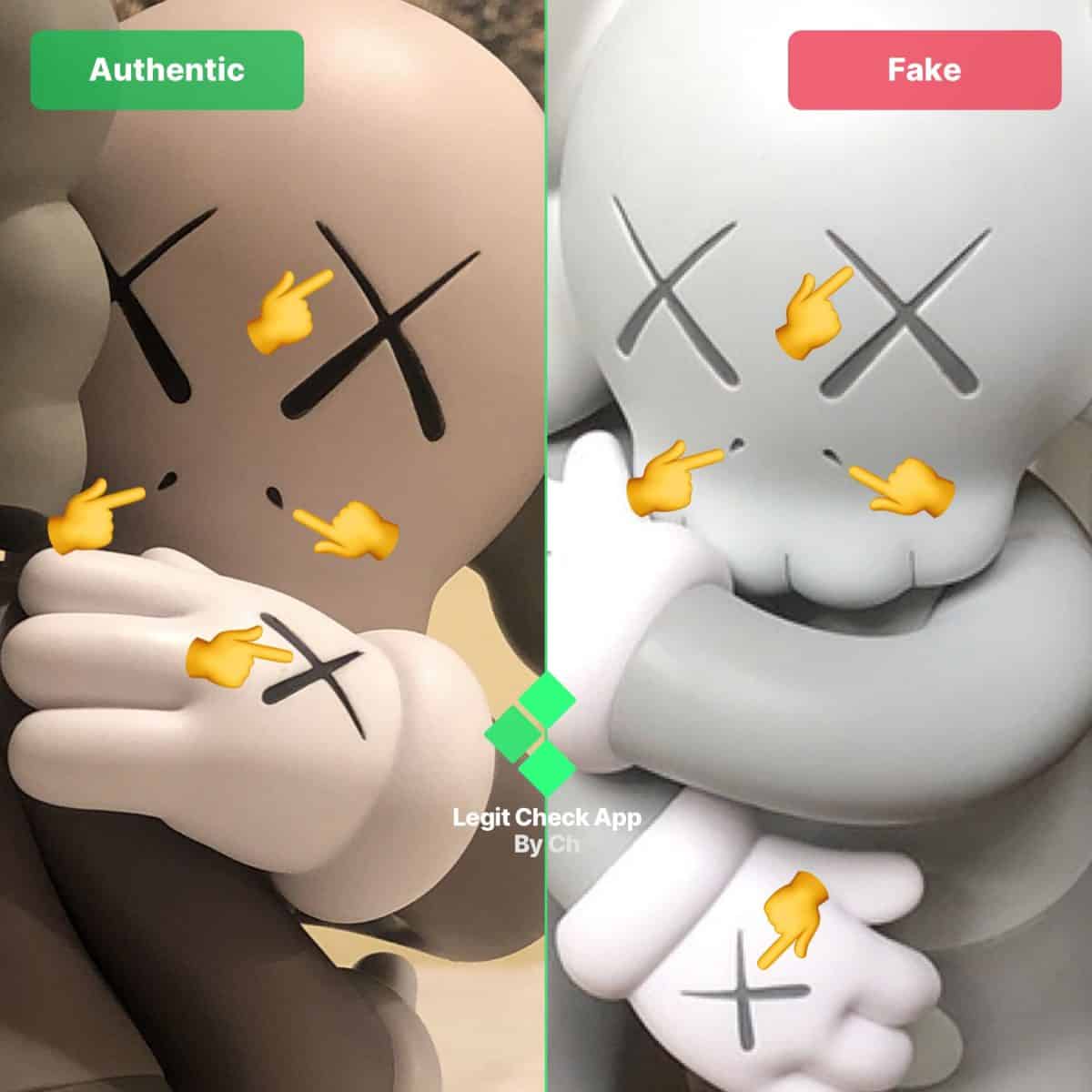
If you're dropping five figures on a Companion, use a service like Legit Check. They have a database of retail vs. replica comparisons that catch things the naked eye misses. Don't rely on 'general' luxury authenticators; you need someone who knows specific vinyl production runs.
No comments yet. Be the first to share your thoughts!