

Kaws’ Early Paintings: A Foundation
Brian Donnelly, better known as Kaws, often gets introduced as the creator of Companion, the figure with crossed-out eyes that dominates so much of his work. But that introduction feels incomplete. He’s fundamentally a painter. Even while building a global brand around toys and sculptures, painting remains central to his process and, he’s stated, his passion. He began painting in earnest while studying at the School of Visual Arts in New York City in the late 1990s.
His early work wasn’t the polished aesthetic people recognize today. It was raw, informed by the graffiti scene he was immersed in. He’d spend hours painting on walls, developing a style that was quick, bold, and often subversive. As Kaws himself explained to jsma.uoregon.edu, the graffiti work felt almost like a sport, something he was naturally good at and driven to do constantly.
The New York art scene of that era, with artists like Jean-Michel Basquiat and Keith Haring, undoubtedly influenced him. But so did the pop culture he consumed – comic books, cartoons, and advertising. His paintings began to incorporate elements of these influences, often appropriating imagery and reworking it with his own unique sensibility. These weren’t straightforward copies; they were reinterpretations, often with a critical edge.
Early canvases frequently featured cartoon characters, but they were never presented innocently. They were often fragmented, distorted, or overlaid with graffiti-style markings. This created a tension between familiarity and alienation, a feeling that something was slightly off. It's a theme that would continue to resonate throughout his career. He wasn’t simply celebrating pop culture, he was dissecting it.
What’s important to understand is that this period wasn’t a detour on the path to sculpture. Kaws has consistently maintained painting as a core practice. He’s described it as the thing he’s "ever really been focused on". The toys and sculptures, in many ways, grew out of his paintings – they were extensions of the ideas and imagery he was exploring on canvas.
These early works weren't immediately commercially successful. They were experiments, explorations of form and meaning. But they laid the foundation for everything that followed, establishing the visual language and thematic concerns that would define his artistic identity. They were a crucial period of development, a time when Kaws was finding his voice.
The Companion Takes Shape
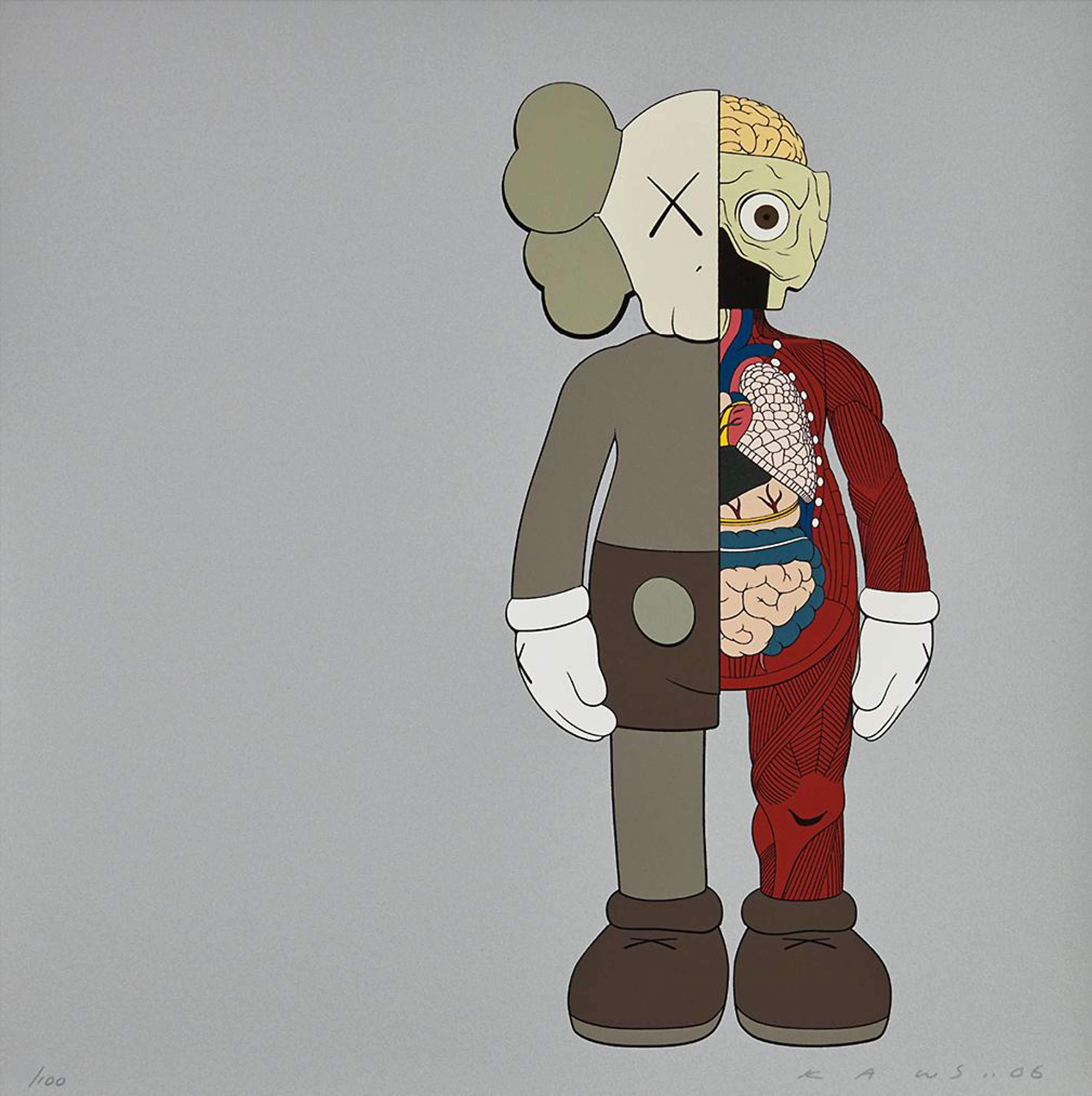
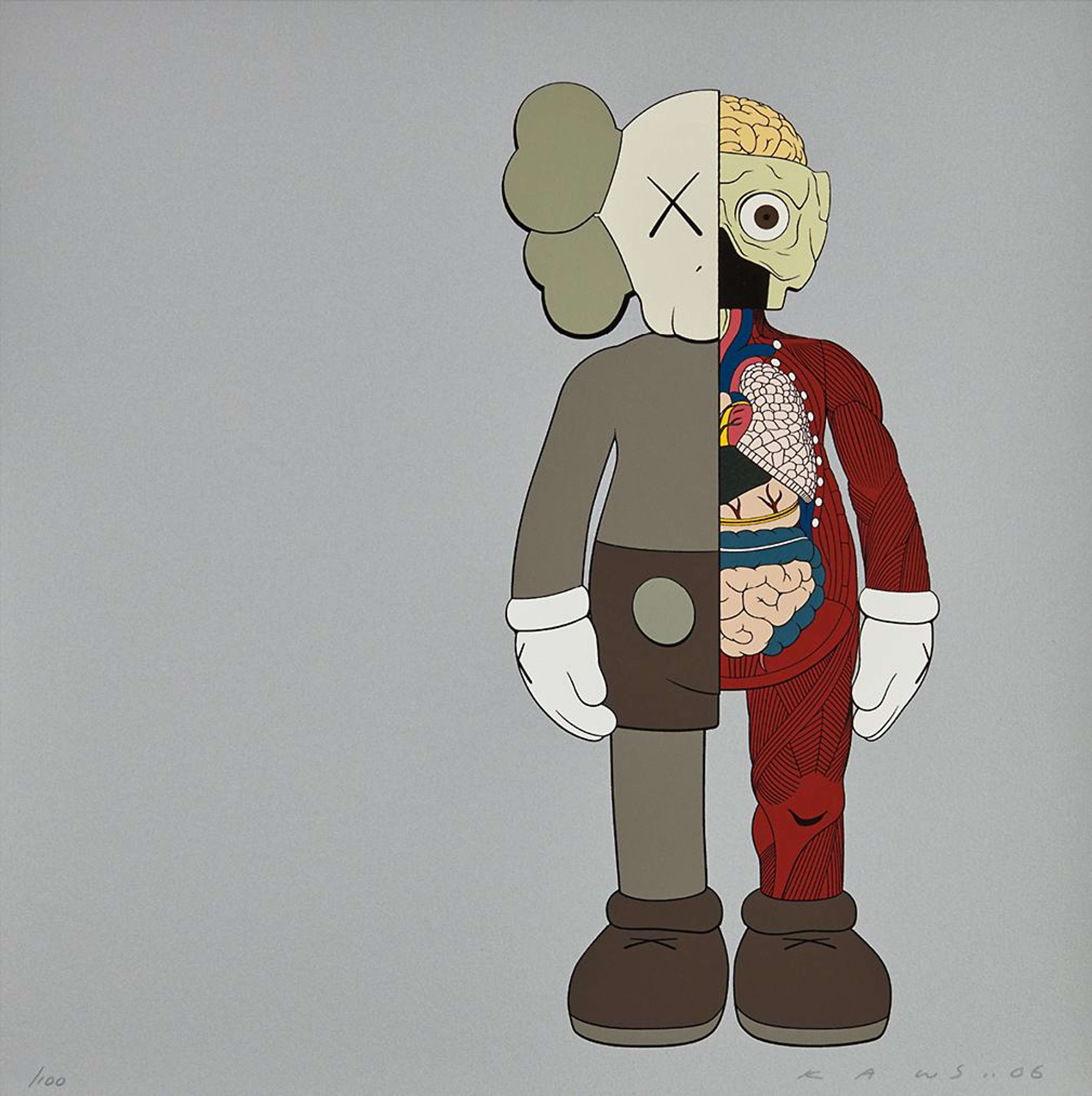
The Companion figure is arguably Kaws’ most recognizable creation. It first appeared in 1999, initially as a painted figure on a billboard in New York City. But the Companion wasn't born fully formed. It evolved gradually, appearing in increasingly complex paintings before becoming the sculpted form we know today. It’s a prime example of how Kaws' different mediums inform each other.
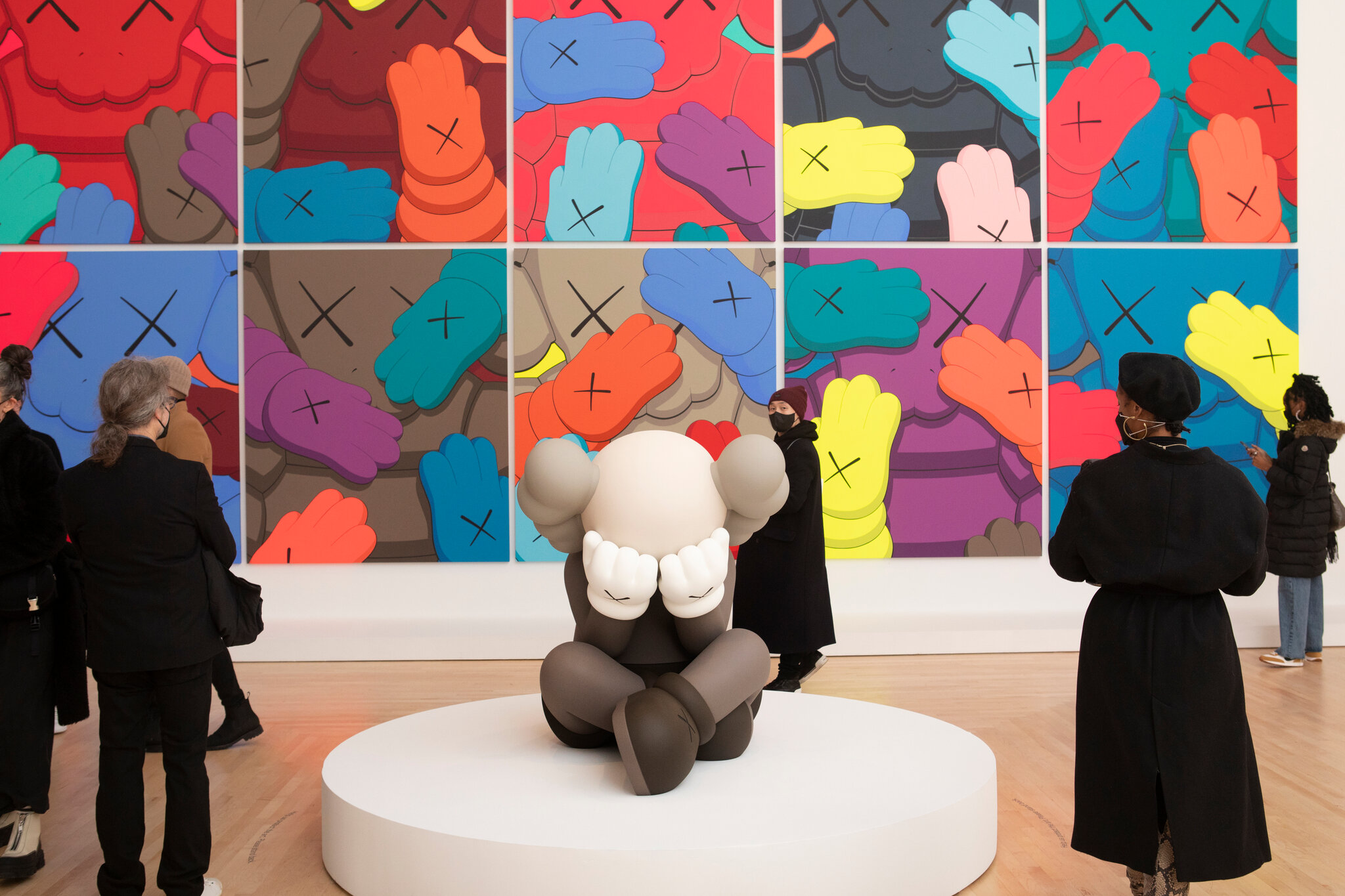
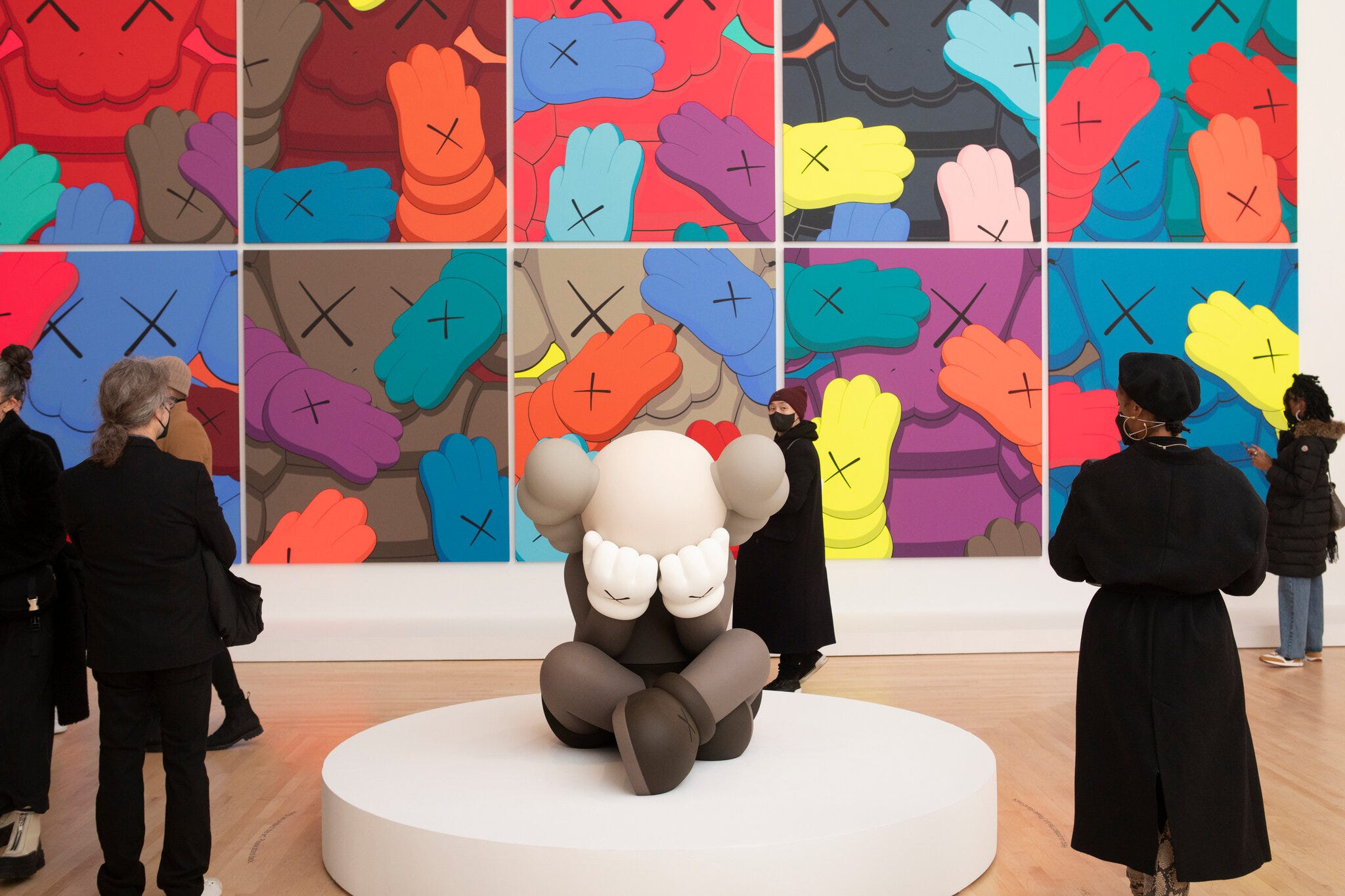
In his early paintings, the Companion was often depicted as a vulnerable, almost melancholic figure. Its hands were often covering its eyes, suggesting a desire to hide or a sense of overwhelming sadness. The crossed-out eyes, which would become a signature element, initially appeared sporadically, but quickly became integral to the character’s identity. They give the Companion a sense of anonymity, making it relatable while simultaneously distancing it from the viewer.
The emotional resonance of the Companion is undeniable. It taps into universal feelings of longing, vulnerability, and isolation. Kaws' use of color and composition enhances this emotional impact. Paintings featuring the Companion often employ muted tones and stark contrasts, creating a sense of unease and introspection. The backgrounds are frequently empty or abstract, further emphasizing the figure’s isolation.
What’s fascinating is how the painted iterations of the Companion differ from the sculptural ones. The paintings allow for a greater degree of fluidity and experimentation. Kaws can manipulate the figure’s form and context in ways that are not possible with sculpture. The paintings feel more dreamlike, more open to interpretation. The sculptures, while iconic, are more fixed and defined.
The Companion’s evolution reflects Kaws’ own artistic development. As he gained recognition, the figure became more refined and polished. But even in its most recent iterations, it retains that core sense of vulnerability and melancholy. It's a testament to Kaws’ ability to create a character that resonates with audiences on a deeply emotional level.
Painting in the Age of Collectibles
Kaws’ trajectory is unusual. He’s achieved a level of commercial success that most artists only dream of, largely due to his collectible toys and sculptures. This raises a question: does that success overshadow his painting practice? It’s a debate that often surfaces within the art world, as some critics view commercial success as a compromise of artistic integrity.
I don’t believe it’s an either/or situation. The commercial success of the collectibles hasn’t diminished the quality or importance of his paintings; in many ways, it’s enabled him to pursue his artistic vision with greater freedom. The revenue generated from the toys and sculptures provides him with the resources to experiment with new techniques and materials in his painting.
Furthermore, the collectibles have brought a wider audience to his work. People who might not typically visit art galleries are now familiar with Kaws’ aesthetic through his toys and figures. This increased exposure can, in turn, lead to a greater appreciation for his paintings. It’s created a virtuous cycle, where success in one medium fuels success in another.
His paintings have changed, however, in response to his work in other mediums. We see the Companion figure appearing more frequently in his paintings, becoming a central motif. He’s also begun to incorporate elements of his sculptural work into his paintings, creating a sense of depth and texture. There’s a clear dialogue between his different artistic practices.
There's definitely a tension, though. The art world often looks askance at artists who are perceived as being too commercial. But Kaws seems to embrace that tension, using it as a source of creative energy. He’s not afraid to challenge conventional notions of what art should be, and he’s not afraid to appeal to a broad audience.
Essential Kaws Books: Exploring Paintings and Digital Frontiers

Explores KAWS's signature "Companion" figures and their cultural significance. · Examines themes of isolation, connection, and consumerism in contemporary society. · Features a comprehensive collection of KAWS's artwork and commentary.
This book offers a profound exploration of KAWS's iconic 'Companion' figures and their relevance to modern themes of loneliness and connection.

Showcases the vibrant 'WHAT PARTY' artwork in a striking black and pink colorway. · Features a collection of KAWS's distinctive characters and artistic style. · A visually engaging publication for fans of KAWS's pop art aesthetic.
This visually dynamic book highlights KAWS's 'WHAT PARTY' series, offering a bold representation of his signature style.

Investigates the artistic dialogue between KAWS and Andy Warhol. · Analyzes the influence of pop art and mass culture on both artists. · Presents a unique perspective on KAWS's engagement with art historical precedents.
This publication delves into the compelling artistic conversation between KAWS and Andy Warhol, exploring their shared influences.

Documents KAWS's early work and evolution, including his relationship with comics. · Features a range of KAWS's paintings, sculptures, and street art. · Provides insight into the foundational elements of KAWS's artistic development.
This book traces KAWS's artistic journey, highlighting his early influences and the development of his iconic visual language.

A comprehensive monograph covering KAWS's career from its inception. · Includes a wide array of his notable works across various mediums. · Offers a foundational overview of the artist's prolific output.
This comprehensive monograph serves as an essential introduction to KAWS's extensive body of work and artistic trajectory.
As an Amazon Associate I earn from qualifying purchases. Prices may vary.
Entering the NFT Space: Expanded Companions
In 2021, Kaws made a significant move into the world of NFTs (Non-Fungible Tokens). It wasn’t entirely unexpected, given his interest in technology and his existing audience of collectors. His initial projects involved "Open Edition" drops on platforms like OpenSea, allowing anyone to purchase a digital artwork for a limited time. These drops were incredibly successful, often selling out within minutes.
The reaction from the art community was mixed. Some embraced it as a natural progression, a way for Kaws to connect with a new generation of collectors. Others were skeptical, questioning the artistic value of NFTs and the environmental impact of the blockchain technology they rely on. There was also concern that NFTs were simply a speculative bubble, destined to burst.
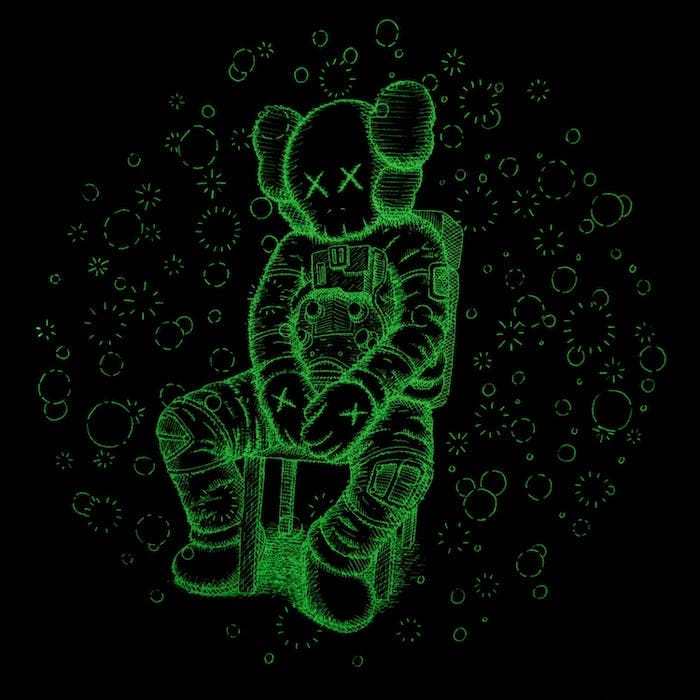
Technically, Kaws’ NFTs are based on the Ethereum blockchain. His "Open Edition’ drops are relatively simple, consisting of digital images of his artwork. However, he"s also experimented with more complex NFTs, including animated works and interactive experiences. The focus has always been on extending his existing artistic practice into the digital realm, rather than simply creating digital collectibles.
The artistic implications of Kaws’ NFTs are interesting. They allow him to create works that are inherently digital, unbound by the limitations of physical media. He can create animations, interactive experiences, and other forms of art that would not be possible in the traditional art world. It also introduces a new level of scarcity and authenticity, as each NFT is uniquely identifiable.
I think Kaws’ entry into the NFT space was a calculated risk. He understood the potential benefits, but he also acknowledged the risks. He approached it cautiously, focusing on creating high-quality artwork that resonated with his audience. It was a smart move that has solidified his position as one of the most innovative and influential artists of our time.
Virtual Galleries and Digital Canvases
Kaws hasn’t limited his digital exploration to NFTs. He’s also experimented with virtual gallery spaces, creating immersive environments where viewers can experience his artwork in a new way. These virtual galleries allow him to showcase his paintings and sculptures to a global audience, without the limitations of physical space.
One notable example is his collaboration with Acute Art, which created an augmented reality (AR) exhibition of his work in various cities around the world. Viewers could use their smartphones to view the sculptures in public spaces, creating a unique and engaging experience. This blurred the lines between the physical and digital worlds, bringing art to people in unexpected ways.
The advantages of virtual galleries are obvious: accessibility, scalability, and interactivity. Anyone with an internet connection can visit a virtual gallery, regardless of their location. Virtual galleries can also accommodate a larger number of visitors than physical galleries, and they can offer interactive features that enhance the viewing experience.
However, there are also disadvantages. The lack of physical presence can diminish the emotional impact of the artwork. The texture, scale, and materiality of the work are lost in translation. It’s difficult to replicate the feeling of standing in front of a painting and truly experiencing its power. The digital environment can also be distracting, making it difficult to focus on the artwork.
Kaws has also begun to use digital tools in creating new artwork, beyond just NFTs and virtual galleries. He’s experimenting with digital painting and sculpting, exploring the possibilities of these mediums. This suggests that digital art will continue to be an important part of his practice.
The Future of Kaws: Bridging Worlds
Predicting the future of any artist is a fool's errand, but we can make some informed guesses about the direction Kaws’ work might take. I believe he’ll continue to balance painting, sculpture, and digital art, seeing each medium as a way to explore different facets of his artistic vision. The interplay between these mediums is what makes his work so compelling.
NFTs are likely to become a more significant part of his practice, but not necessarily in the form of simple digital collectibles. He might explore more complex NFTs, incorporating augmented reality, virtual reality, and other emerging technologies. He could even create NFTs that unlock access to exclusive experiences or physical artwork.
I suspect he’ll also continue to experiment with virtual gallery spaces, pushing the boundaries of what’s possible in the digital realm. He might collaborate with other artists and technologists to create even more immersive and engaging experiences. The metaverse, whatever form it ultimately takes, could provide a fertile ground for his artistic exploration.
His work will undoubtedly evolve in response to technological advancements. New materials, new techniques, and new platforms will all influence his artistic process. But I don’t think he’ll abandon his core aesthetic principles – the sense of vulnerability, melancholy, and irony that defines his work.
Ultimately, Kaws is a boundary-pusher. He’s not afraid to challenge expectations and experiment with new ideas. He’s an artist who is constantly evolving, constantly reinventing himself. And that’s what makes him so exciting to watch.
Kaws’ Paintings: Standout Pieces
While Kaws is famous for his figures, his paintings deserve just as much attention. Selecting a few standout pieces is difficult, but I want to highlight works that demonstrate his range and skill beyond the instantly recognizable Companion motif. These aren’t necessarily his most famous paintings, but they offer a deeper insight into his artistic development.
"No Future’ (2003) is a striking example of his early style. It features a distorted figure, reminiscent of Mickey Mouse, overlaid with graffiti-style markings. The painting is dark and brooding, conveying a sense of disillusionment and despair. It"s a powerful statement about the anxieties of the early 21st century.
"Champagne’ (2016) showcases his ability to blend pop culture imagery with sophisticated painting techniques. The painting depicts a bottle of champagne with the Companion’s signature crossed-out eyes. It"s a playful yet subversive commentary on consumerism and celebrity culture. The color palette is vibrant and eye-catching, but the crossed-out eyes add a layer of unease.
"Along the Way’ (2019) is a more recent work that demonstrates his continued exploration of the Companion figure. The painting features two Companions walking side by side, their hands clasped together. It"s a more hopeful and optimistic work than some of his earlier paintings, suggesting a sense of companionship and connection. The composition is simple but effective, and the use of color is particularly striking.
"Small Lie’ (2017) is a smaller, more intimate painting that reveals Kaws’ skill as a colorist. It features a fragmented figure against a wash of muted blues and grays. The painting is hauntingly beautiful, conveying a sense of longing and loss. It"s a testament to his ability to evoke complex emotions with minimal means.
These paintings, along with many others, demonstrate that Kaws is much more than just a toy designer. He’s a serious artist with a unique vision and a remarkable talent for painting. His work deserves to be seen and appreciated on its own terms.
No comments yet. Be the first to share your thoughts!