

From Brooklyn walls to digital tokens
Brian Donnelly, known globally as Kaws, has built a career on a fascinating tension – a playful aesthetic often paired with underlying themes of loneliness and longing. His journey began with graffiti in Brooklyn in the 1990s, a rebellious act that quickly evolved into a sophisticated artistic practice. He wasn't just tagging; he was altering advertising billboards, giving them new life with his signature X-shaped eyes. This early work feels remarkably consistent with the figures he creates now.
Donnelly transitioned to painting, and then to collectible vinyl toys, bridging the gap between fine art and popular culture. This blurring of lines is central to understanding his appeal. He openly admits his early focus was on painting, even while immersed in the graffiti scene. As he shared with Perrotin Gallery, “I woke up wanting to do it and fell asleep thinking about it. When I was in school, my mind would be on painting.” This foundational dedication to traditional art forms informs everything he does.
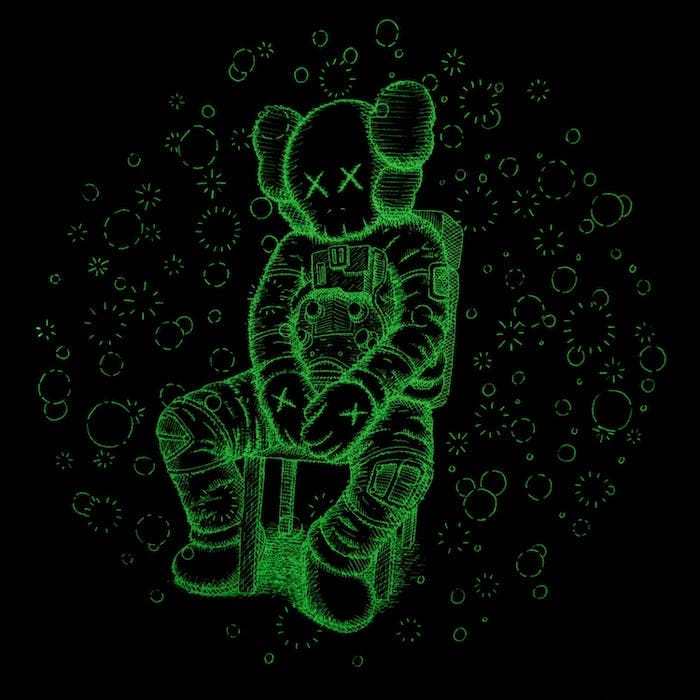
The move into NFTs feels like a natural progression, not a departure. It’s another medium to explore those same themes, to reach a new audience, and to challenge the traditional art market. Kaws’ first NFT project, Open Edition, launched in April 2021, sold out in minutes, demonstrating the immediate demand for his digital work. It wasn't simply about jumping on the NFT bandwagon; it was about expanding his artistic vocabulary.
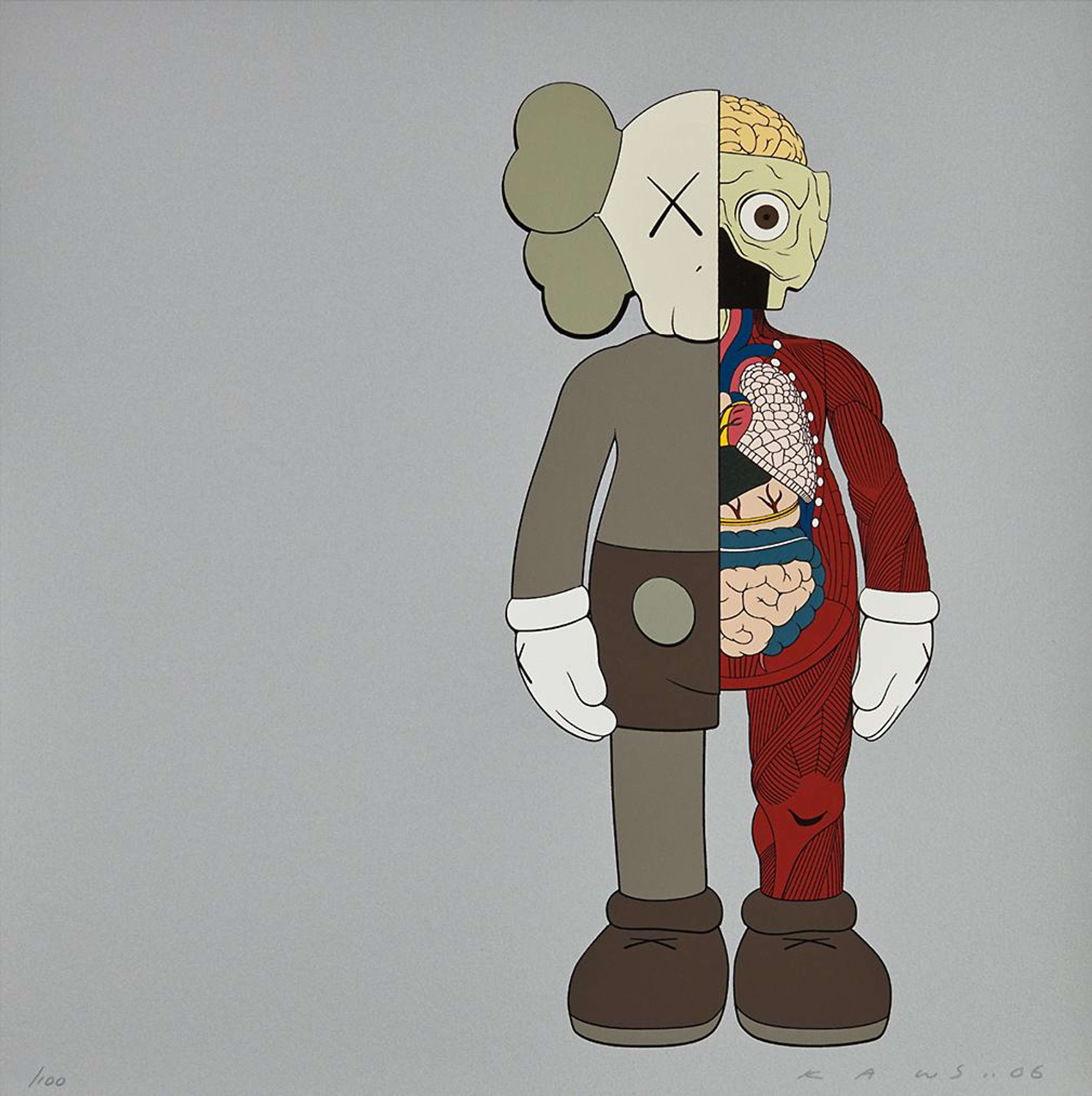
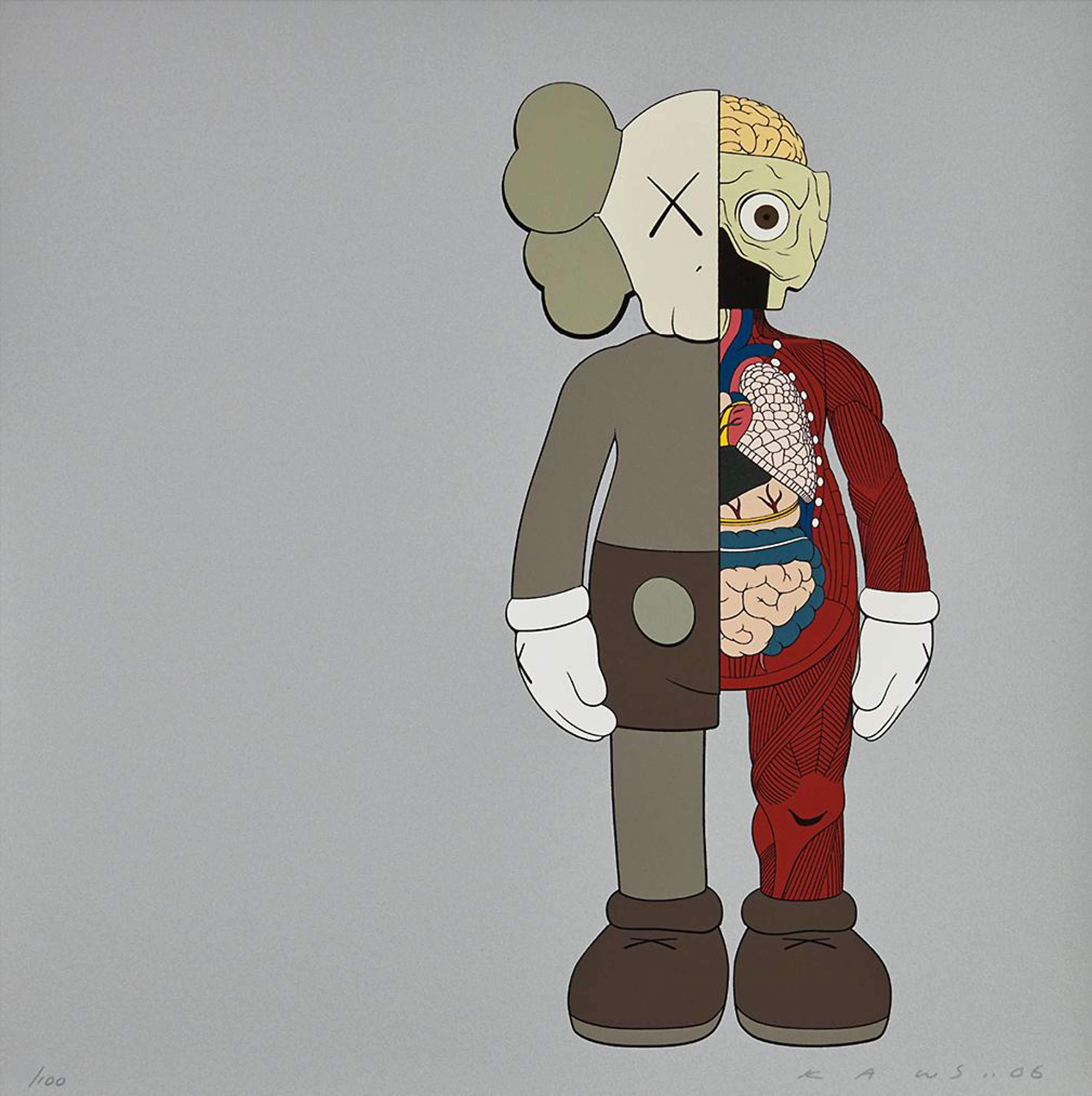
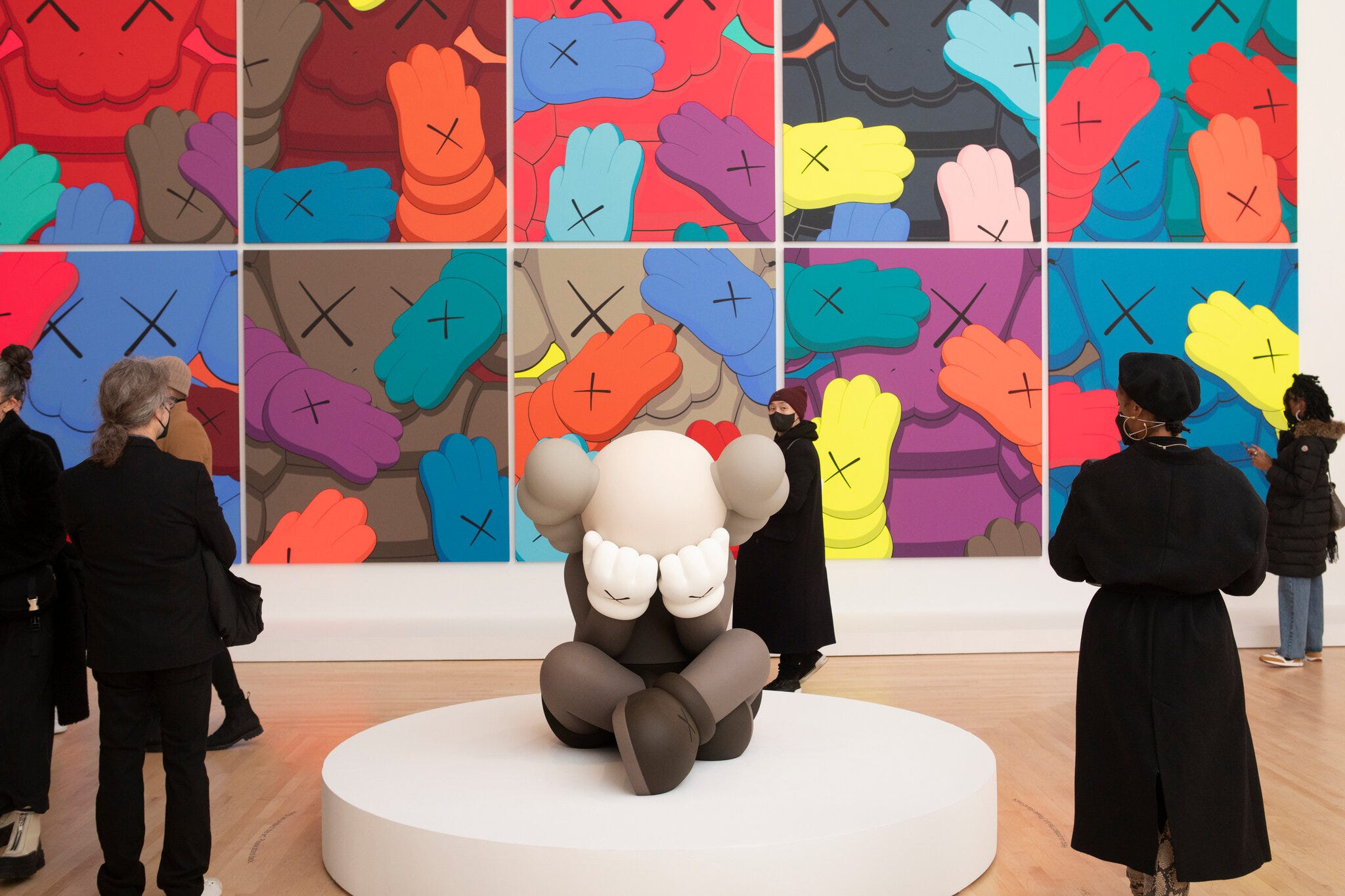
What’s remarkable is how recognizable his style remains across all these mediums. Whether it's a massive bronze sculpture, a vibrant painting, or a digital NFT, the X-shaped eyes, the simplified forms, and the overall sense of melancholy are always present. This consistency has established a strong brand identity, making Kaws one of the most recognizable artists working today.
He's always been fascinated by the idea of appropriation and recontextualization. His early graffiti work appropriated existing images, and his toys often reimagine classic cartoon characters. NFTs allow him to continue this exploration in a new and exciting way, offering opportunities for interactive experiences and community building. His art is about questioning the boundaries between high and low culture, and the digital realm provides the perfect space for that.
Kaws’ work isn’t simply about aesthetics; it’s about a feeling. It’s about the shared human experience of isolation and the search for connection. This emotional resonance is what makes his art so powerful and enduring, regardless of the medium.
Why people still want physical paintings
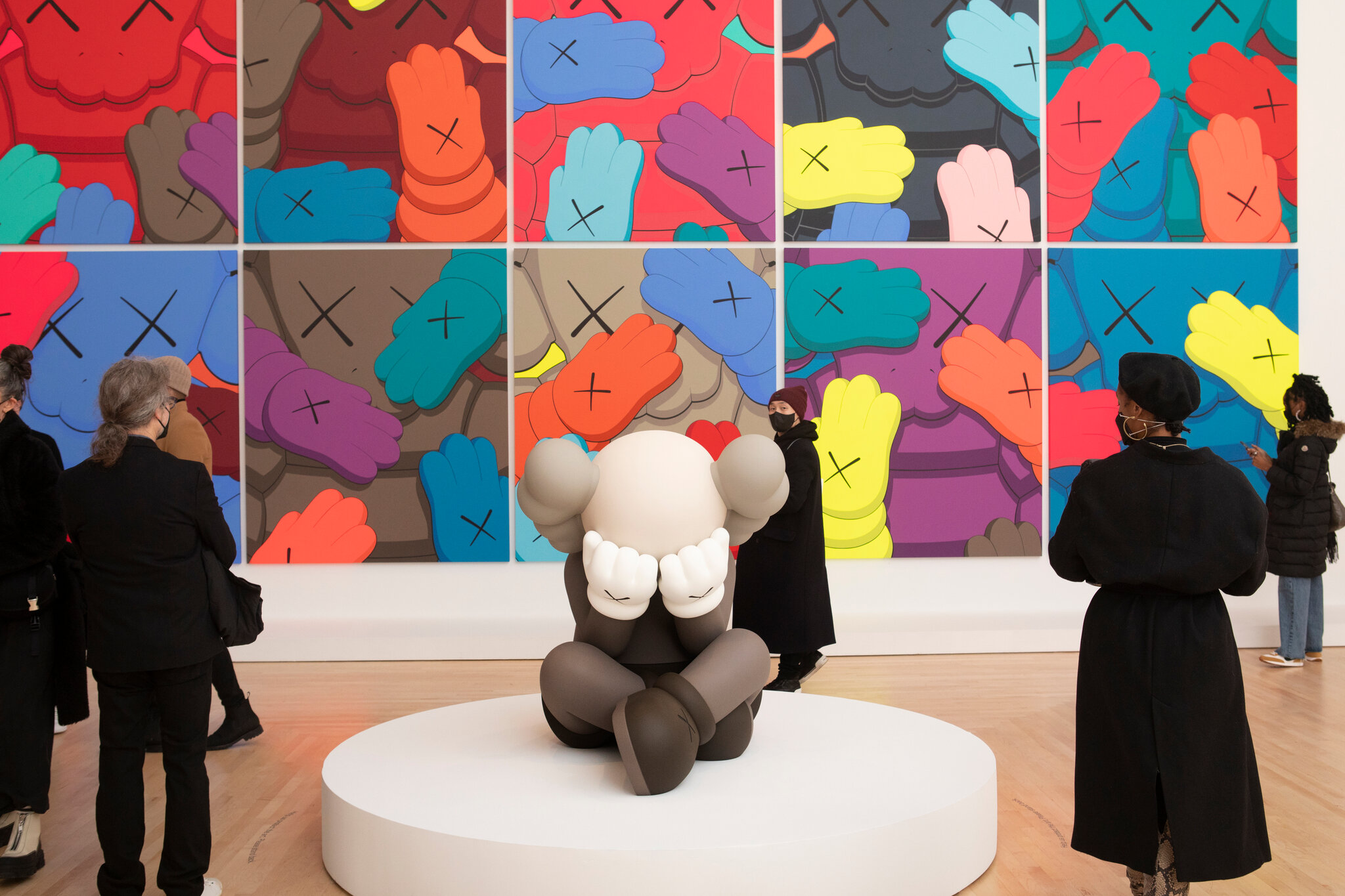
There’s a visceral quality to owning an original Kaws painting that a digital NFT simply can't replicate. It's about the texture of the canvas, the layers of paint, the sheer scale of the work. These aren’t mass-produced items; they are unique objects created with intention and skill. Kaws often works with large-format canvases, creating immersive experiences for the viewer.
He typically employs acrylic and oil paints, often building up layers to create a sense of depth and complexity. His use of color is deliberate, often employing a limited palette with bold accents. The physicality of the painting – the brushstrokes, the imperfections – all contribute to its unique character. You can feel the artist’s hand in the work.
Provenance plays a massive role in the value of a Kaws painting. A well-documented history of ownership adds to its desirability and authenticity. Collectors want to know where a painting has been, who has owned it, and whether it has been exhibited in prestigious galleries or museums. This history is almost as important as the artwork itself.
The auction market for Kaws paintings has been incredibly strong in recent years. According to Artsy, Untitled (KIMPS) sold for $2.7 million at Sotheby’s in Hong Kong in 2019. Small Lie fetched $3.3 million at Christie’s in 2021. These figures demonstrate the growing demand for his work and the willingness of collectors to pay a premium for quality pieces.
Beyond the monetary value, there's the emotional connection. Owning a Kaws painting is owning a piece of art history, a tangible representation of a cultural moment. It’s a conversation starter, a source of inspiration, and a legacy to be passed down through generations. It’s not just about having something beautiful to look at; it’s about being part of something larger.
- He uses acrylic and oil paints on canvas.
- Techniques: Layered painting, bold color palettes, large-format canvases.
- Provenance: Documented history of ownership and exhibition.
- Recent Auction Sales: Untitled (KIMPS) - $2.7 million (Sotheby’s, 2019), Small Lie - $3.3 million (Christie’s, 2021).
Kaws Artistry: Essential Books and Tools for Collectors

Comprehensive overview of KAWS's artistic career · Features iconic works and key exhibitions · Includes essays and critical analysis
This book offers an in-depth look at KAWS's evolution as an artist, providing essential context for collectors.

Explores the definition and characteristics of contemporary art · Discusses major movements and artists · Provides a framework for understanding modern art trends
Understanding contemporary art is crucial for contextualizing KAWS's work within the broader art market.

Set of 20 vibrant acrylic paint tubes · 12ml (0.4-oz) per tube · Suitable for various surfaces including canvas
This acrylic paint set provides the essential medium for aspiring artists to experiment with KAWS-inspired color palettes and techniques.

Primed cotton canvas for painting · Durable and ready for artistic use · Suitable for acrylic and oil paints
A quality canvas is fundamental for any artist, providing the surface for creating physical artworks.

Extensive catalogue of Banksy's street art · Features a wide range of his iconic pieces · Includes commentary and analysis of his work
While not KAWS, understanding other prominent contemporary street artists like Banksy offers valuable market perspective.
As an Amazon Associate I earn from qualifying purchases. Prices may vary.
What is actually behind a Kaws NFT?
Kaws’ entry into the NFT space has been more nuanced than a simple cash grab. He’s used the technology to create a variety of digital artworks, from single-edition pieces to generative collections. Understanding the different types of Kaws NFTs is essential for any potential collector. Open Edition was a prime example of accessibility, offering a limited-time opportunity to purchase a digital artwork at a fixed price.
Generative collections, like Kaws: Generative, involve algorithms that create unique variations of a base artwork. This adds an element of surprise and rarity to the collection. These NFTs are built using smart contracts, self-executing agreements written into the blockchain. This technology ensures transparency and security, but it can also be complex to understand.
The blockchain itself is a decentralized ledger that records all transactions. This makes it difficult to counterfeit NFTs, but it doesn't eliminate the risk of scams. It’s crucial to understand the platforms where Kaws NFTs are traded, such as OpenSea and Foundation. Each platform has its own security measures and fee structures.
One concern surrounding NFTs is their environmental impact. The process of minting and trading NFTs can consume significant amounts of energy, particularly on blockchains that use a proof-of-work consensus mechanism. However, many platforms are now transitioning to more energy-efficient alternatives, such as proof-of-stake.
NFTs are risky. Prices swing wildly and the market is often irrational. You should only spend money you are prepared to lose and ignore the social media hype. I view these as long-term bets rather than quick flips.
Authenticity and Verification: A Collector’s Guide
Verifying the authenticity of a Kaws artwork, whether physical or digital, is paramount. For paintings, provenance is king. A clear and documented history of ownership, including previous sales and exhibitions, is essential. Look for certificates of authenticity (COAs) issued by reputable experts or galleries, but be aware that COAs can be forged.
Consult with art appraisers and specialists who are familiar with Kaws’ work. They can examine the painting’s materials, techniques, and style to determine its authenticity. For NFTs, the process is different but equally important. You need to verify the smart contract address and ensure it matches the official Kaws contract.
Use blockchain explorers like Etherscan to trace the transaction history of the NFT. This will show you who created the NFT and who has owned it over time. Check the creator’s identity and verify that it is indeed Kaws or an authorized representative. Be wary of NFTs that are listed on unofficial marketplaces or that have suspicious transaction histories.
Even with these tools, there’s always a risk of fraud. Phishing scams and counterfeit NFTs are becoming increasingly sophisticated. Always double-check the URL of the marketplace and be cautious of unsolicited offers. Remember, if something seems too good to be true, it probably is. Due diligence is your best defense.
Will these hold their value?
Predicting the long-term value of any artwork is a complex undertaking. When comparing Kaws paintings and NFTs, several factors come into play. Physical paintings benefit from their inherent scarcity and tangible nature. There will only ever be a limited number of original Kaws paintings, and their value is likely to appreciate over time as demand increases.
However, NFTs offer unique advantages in terms of accessibility and liquidity. They can be easily traded on global marketplaces, and fractional ownership allows multiple investors to share ownership of a single NFT. This could potentially democratize art collecting and make it more accessible to a wider audience.
Technological advancements could also impact the value of Kaws NFTs. As the metaverse and virtual reality become more mainstream, digital artworks could become increasingly valuable. The ability to display NFTs in virtual galleries or use them as avatars could drive demand. Conversely, changes in blockchain technology or the emergence of new NFT platforms could disrupt the market.
The evolving art world is another factor to consider. Younger collectors are more comfortable with digital art and NFTs, while traditional collectors may still prefer physical paintings. The balance between these two groups will likely shift over time, influencing the demand for both types of artworks. It's reasonable to assume both will hold value, but the rate of appreciation is uncertain.
Fractional ownership is an interesting development. Platforms are emerging that allow investors to buy shares in high-value artworks, both physical and digital. This could lower the barrier to entry for collecting Kaws art, but it also introduces new complexities in terms of ownership and governance. The legal frameworks surrounding fractional ownership are still evolving.
Kaws Paintings vs. Digital NFTs: A Collector's Comparison - 2026 Outlook
| Attribute | Kaws Paintings | Kaws NFTs | Notes |
|---|---|---|---|
| Scarcity | Generally Limited | Variable - Editions can range from 1/1 to large collections | Physical paintings inherently possess a fixed supply. NFT scarcity is determined by the artist and platform. |
| Liquidity | Medium to High | Medium | Established art market for paintings provides relatively easy sale options, though high-value transactions can take time. NFT liquidity is growing but can be subject to market volatility. |
| Storage/Security | Requires Dedicated Physical Security & Climate Control | Relies on Digital Wallet Security & Platform Reliability | Paintings require significant investment in secure storage and insurance. NFTs depend on secure digital wallets and the longevity of the blockchain/platform. |
| Provenance/Authenticity | Established Authentication Processes (e.g., through galleries, auction houses) | Blockchain-Based Verification, but potential for forgery/smart contract vulnerabilities | Paintings have a long history of established provenance tracking. NFTs offer blockchain-based verification, but smart contract security and platform legitimacy are crucial. |
| Cultural Significance | High - Established Artist with Museum Exhibitions & Broad Recognition | Growing - Increasing Acceptance within Digital Art Communities | Kaws has a well-established legacy in the art world. NFTs are gaining cultural traction, but their long-term impact is still developing. |
| Potential for Appreciation | Moderate to High - Dependent on Market Trends & Artist's Continued Success | Highly Speculative - Dependent on NFT Market Growth & Kaws' Continued Engagement | Appreciation of paintings is tied to traditional art market factors. NFT value is significantly influenced by broader cryptocurrency and NFT market trends. |
| Accessibility | Lower - High Purchase Price & Exclusive Galleries | Potentially Higher - Lower Entry Points Possible (depending on edition) | Paintings typically require substantial financial investment and access to galleries. NFTs can offer more accessible price points, though highly sought-after editions can still be expensive. |
Illustrative comparison based on the article research brief. Verify current pricing, limits, and product details in the official docs before relying on it.
The Future of Collecting Kaws
Looking ahead to 2026, the lines between the physical and digital worlds will continue to blur, fundamentally changing how we collect and experience art. Augmented reality (AR) and virtual reality (VR) will play an increasingly important role, allowing collectors to view Kaws artworks in their own homes or in immersive virtual galleries. Imagine being able to "hang" a Kaws NFT on your living room wall using AR.
NFTs are likely to become more integrated into the mainstream art market. We may see more galleries and auction houses accepting NFTs as collateral for loans or offering NFT-backed investment products. The development of more user-friendly NFT platforms and wallets will also make it easier for collectors to participate in the market.
Physical Kaws paintings will likely remain highly coveted items, but their exclusivity may drive up prices even further. We may see a greater emphasis on provenance and authentication, as collectors seek to ensure the authenticity of their investments. The demand for large-scale, iconic Kaws paintings is unlikely to diminish.
The rise of the metaverse could create new opportunities for artists and collectors. Virtual land ownership, digital fashion, and immersive experiences could all become integral parts of the art world. Kaws could potentially create exclusive digital artworks or experiences for metaverse platforms, further expanding his brand and reach.
Ultimately, the future of collecting Kaws is about embracing both the physical and digital realms. It’s about appreciating the artistry and craftsmanship of his paintings, while also recognizing the innovative potential of NFTs. The most successful collectors will be those who are willing to adapt to the changing landscape and explore new ways of engaging with art.
Which Kaws medium do you believe will appreciate the most in value over the next 5 years?
Vote below based on your view of long-term collector demand, scarcity, and market confidence.
No comments yet. Be the first to share your thoughts!