

Kaws collectibles market overview 2026
The secondary market for KAWS collectibles operates as a distinct asset class driven by scarcity, material durability, and provenance. Investors must distinguish between limited-edition releases, which offer capital preservation and potential appreciation, and open-edition works, which function primarily as consumer goods with depreciating value.
Valuation drivers for iconic figures
The financial performance of KAWS assets is governed by three primary constraints: edition scarcity, material composition, and authenticated provenance. While the artist’s cultural footprint establishes baseline demand, specific returns are determined by supply rigidity and the longevity of the physical medium.
Edition size is the most significant lever for value appreciation. Limited-edition vinyl figures, typically capped at 500 to 1,000 units, carry a significantly higher floor price than open-edition releases. The market differentiates sharply between these categories; restricted runs create artificial scarcity that outpaces organic demand, whereas mass-produced variants often depreciate toward their original retail cost. This dynamic is evident when comparing the resale multipliers of the Companion and BFF figures, where restricted runs consistently command premiums exceeding 300% of their initial street price.
Material composition further stratifies the asset class. While vinyl is the primary medium for accessible collectibles, sculptures executed in fiberglass, bronze, or aluminum—often produced in even smaller runs or as one-off museum pieces—operate in a higher valuation bracket. These materials offer greater durability and a perceived permanence that appeals to institutional collectors, distinguishing them from the more transient nature of standard vinyl figures. The physical integrity of these materials also ensures that condition-related depreciation is minimized over time.
Provenance and authentication complete the valuation framework. Because the KAWS market is susceptible to counterfeiting, pieces with documented lineage from authorized galleries, such as Maddox Gallery or Hauser & Wirth, or those accompanied by original certificates of authenticity, trade at a distinct premium. This documentation reduces transaction risk for high-value buyers, effectively lowering the discount rate applied to the asset’s fair market value.
| Figure Type | Edition Status | Primary Material | Typical Resale Multiplier |
|---|---|---|---|
| Companion (Limited) | Limited (500-1000) | Vinyl | 3.0x - 5.0x |
| BFF (Limited) | Limited (1000) | Vinyl | 2.5x - 4.0x |
| Companion (Open) | Open Edition | Vinyl | 0.8x - 1.2x |
| Large Companion | Very Limited | Fiberglass/Vinyl | 5.0x+ |
Top performing Kaws collectibles
Performance analysis of the KAWS secondary market reveals distinct tiers of liquidity and value retention. The following categories represent the most robust investment vehicles based on historical auction data and dealer reports.
Limited-Edition Vinyl Figures
Limited-edition vinyl figures, such as the Companion and BFF series, represent the core of the accessible KAWS market. These items, produced in runs of 500 to 1,000 units, consistently outperform open-edition releases. The scarcity mechanism ensures that demand exceeds supply, driving resale multipliers between 2.5x and 5.0x depending on the specific colorway and condition.
Large-Scale Sculptures
Large-scale sculptures, often executed in fiberglass or resin, occupy the premium segment of the market. With editions frequently limited to fewer than 100 units, these pieces attract institutional collectors and high-net-worth individuals. Resale values for these items often exceed 5.0x the original retail price, particularly for works with documented exhibition history or museum provenance.
Open-Edition Works
Open-edition vinyl figures function as entry-level collectibles. While they provide exposure to the brand, they lack the scarcity required for significant appreciation. These items typically trade near or below their original retail price, serving more as decorative assets than investment vehicles.
Verifying authenticity to protect investment value
The KAWS collectibles market is heavily targeted by counterfeiters, making authentication the primary defense for preserving capital. Unlike mass-produced open-edition vinyl works, which are more susceptible to replication and hold lower long-term investment value, limited-edition pieces require rigorous verification. Investors must treat every acquisition as a forensic audit of the object's provenance and physical attributes.
Authentication relies on verifying three core elements: the holographic sticker, the unique edition numbering, and the packaging integrity. Authorized dealers and verified secondary markets provide the only reliable chain of custody. Buying from unauthorized sources or unverified peer-to-peer platforms introduces unacceptable risk, as even minor discrepancies in font weight or sticker placement can indicate a high-quality fake.
Market data confirms that limited-edition vinyl figures are significantly more likely to hold long-term investment value than their open-edition counterparts. This value retention is directly tied to the scarcity and verifiable authenticity of the piece. Without clear documentation and physical verification, the asset loses its liquidity and premium status, effectively becoming a liability rather than an investment.
Investment checklist for collectors
Before allocating capital to KAWS collectibles, verify the asset against five strict criteria. The secondary market rewards provenance and scarcity; open editions and unverified sources carry significant depreciation risk.
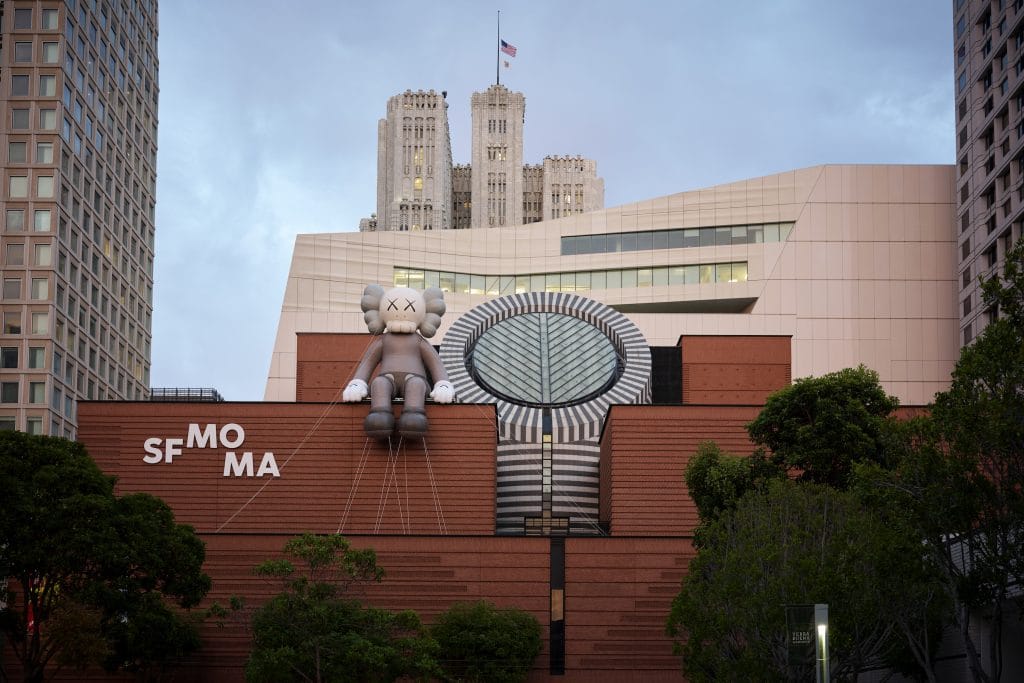
Prioritize limited-edition vinyl figures. Open-edition works lack the scarcity required for long-term value retention. Verify the edition number against official production records.
Check for holographic stickers, unique serial numbers, and original packaging. Maddox Gallery notes that authenticated pieces with intact documentation command higher premiums in the secondary market.
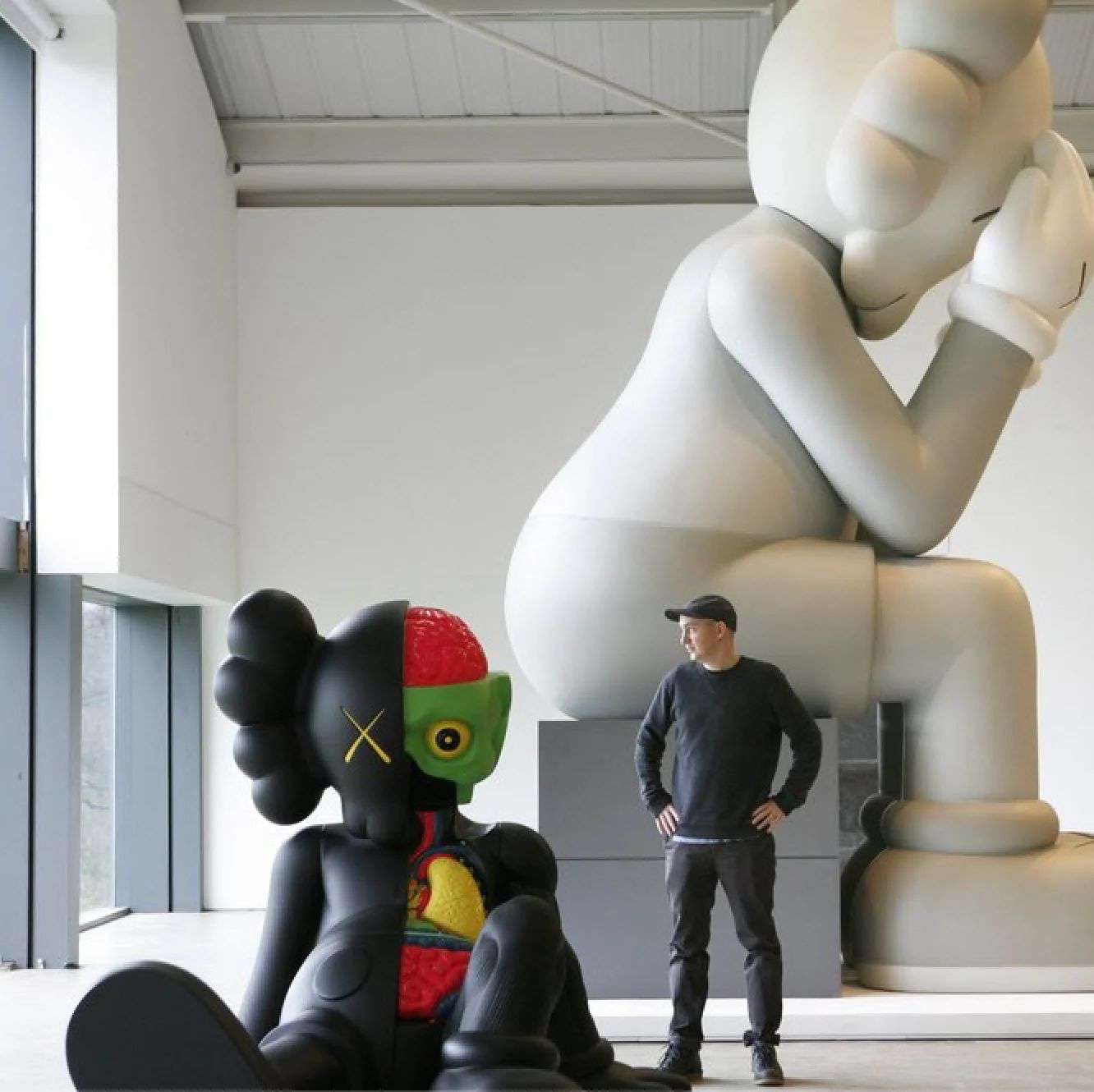
Inspect for paint cracks, yellowing, or box damage. Even minor cosmetic flaws can reduce resale value by 20-40%. Sealed items in mint condition are the most liquid assets.
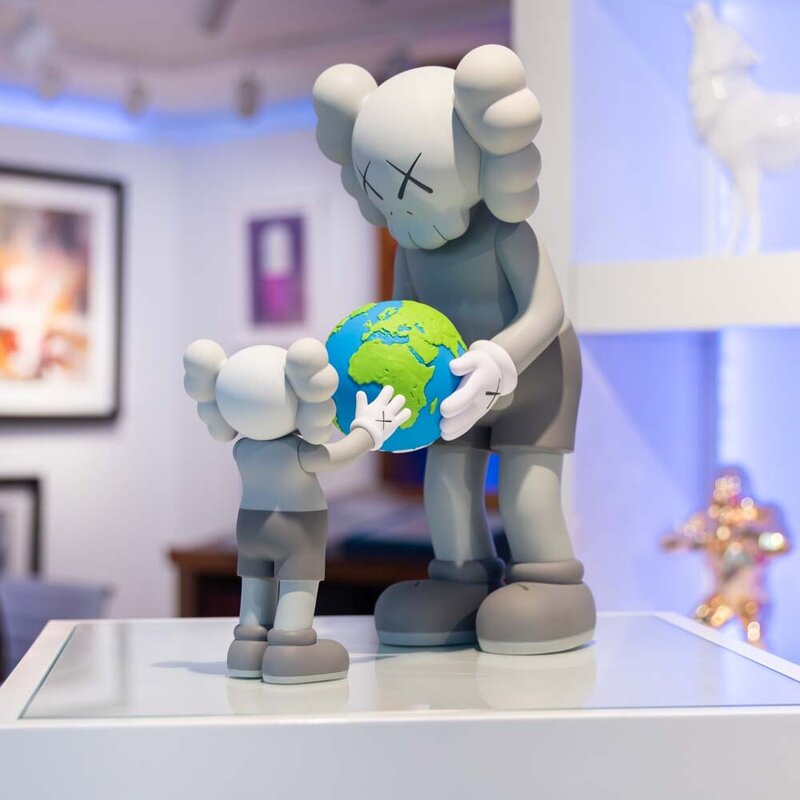
Purchase only from authorized dealers, established auction houses, or verified primary resellers. Avoid peer-to-peer platforms without authentication guarantees to mitigate fraud risk.
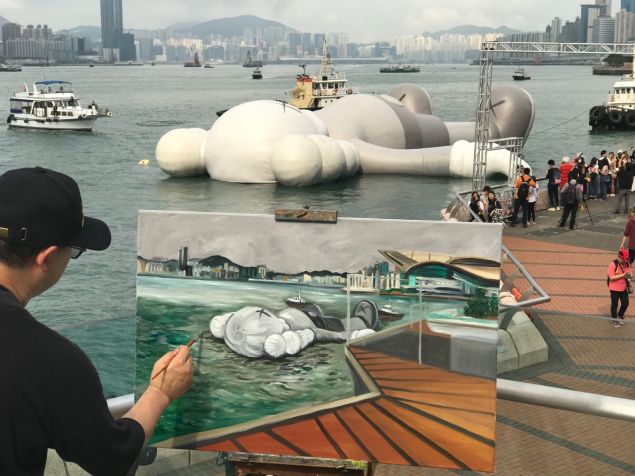
Check recent sold listings on platforms like Dope! Gallery or Farfetch. Ensure there is active demand for the specific figure before purchasing. Illiquid assets are difficult to exit quickly.
Investment performance analysis
The viability of KAWS collectibles as an investment asset depends heavily on edition type. Limited-edition vinyl figures generally hold long-term value better than mass-produced open-edition works, which often depreciate due to higher supply. This distinction is critical for collectors seeking to preserve capital.
Market performance varies significantly by specific release and condition. While secondary market prices can fluctuate, certain limited runs have demonstrated resilience. Investors should focus on scarcity and provenance rather than speculative trends. Always verify the authenticity and condition of the piece before purchasing.
Frequently asked: what to check next
Do limited-edition KAWS figures appreciate in value?
Yes, limited-edition KAWS figures, particularly those with low edition numbers (under 1,000 units) and strong provenance, have historically appreciated. Open-edition figures rarely appreciate and often depreciate.
How does condition affect resale value?
Condition is paramount. Mint, sealed figures in original packaging command the highest premiums. Visible damage, such as paint scratches or box dents, can reduce resale value by 20-50%.
What is the safest way to purchase KAWS collectibles?
Purchase from authorized dealers (e.g., Maddox Gallery, Hauser & Wirth) or reputable auction houses (e.g., Christie’s, Sotheby’s). Avoid unverified peer-to-peer platforms to mitigate the risk of counterfeits.
No comments yet. Be the first to share your thoughts!