
Why Kaws art matters
KAWS (Brian Donnelly) blends pop culture icons with fine art techniques, creating pieces that resonate across street art and gallery markets. Born in Jersey City in 1974, the Brooklyn-based artist has spent decades straddling the line between underground graffiti and high-end contemporary art. His work commands high value because it successfully translates the visual language of street culture into collectible objects that appeal to both traditional art collectors and modern sneakerheads.
The collector interest in Kaws art stems from his unique ability to merge commercial collaborations with serious artistic practice. By partnering with major brands like Nike, Dior, and Disney, he brought his signature "Companion" characters and "XX" eyes into mainstream consciousness. However, his gallery exhibitions, such as "ALONG THE WAY" at the Brooklyn Museum, ground these figures in the context of fine art sculpture and painting. This duality ensures that his limited edition figures and prints retain significant resale value, making them a staple in modern art collecting portfolios.
Iconic Companion Figures
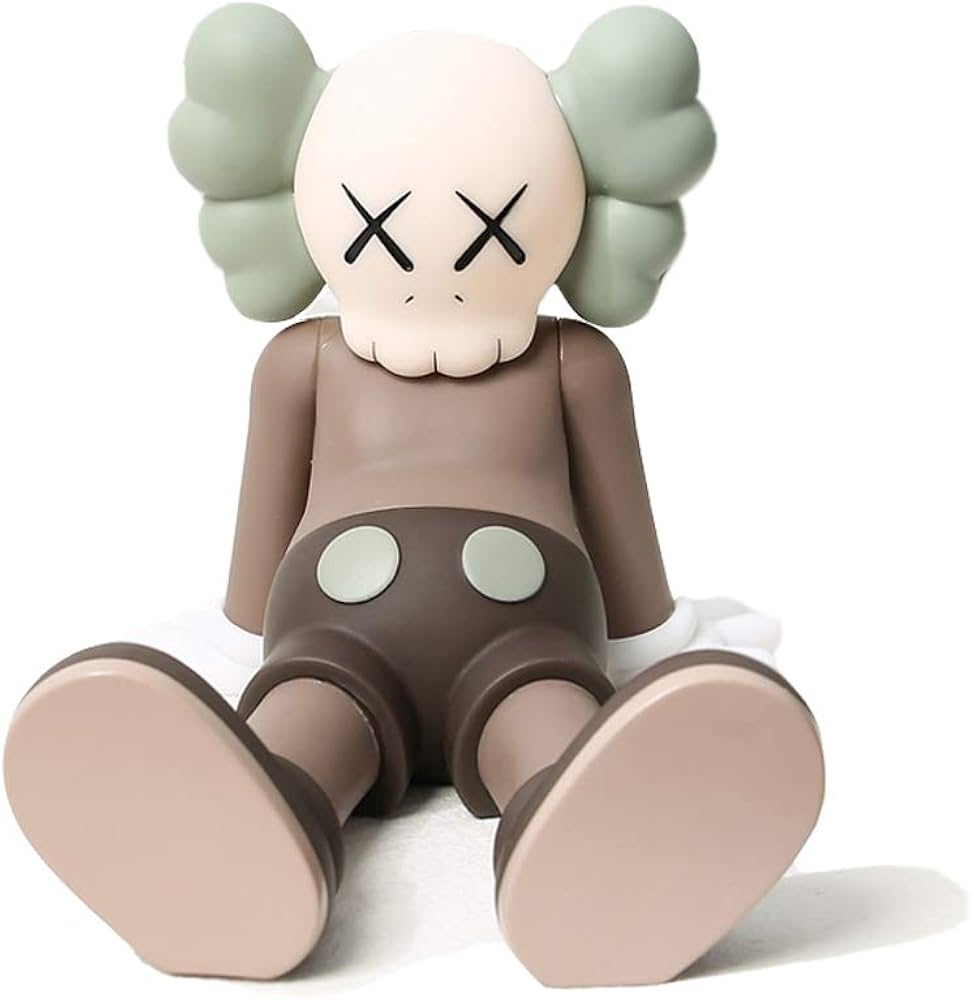
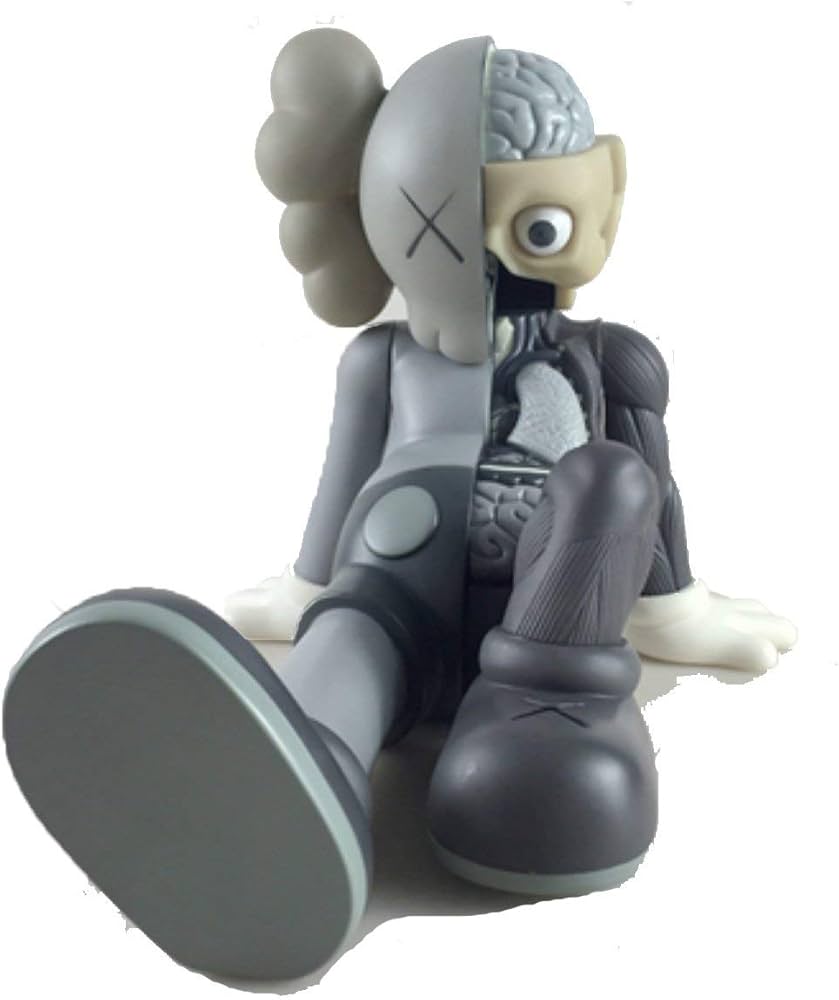
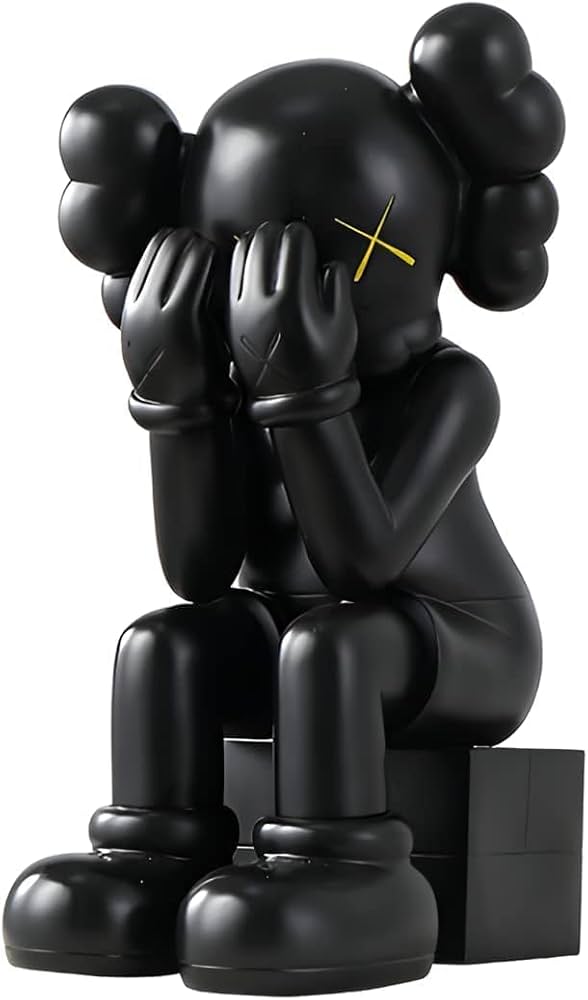
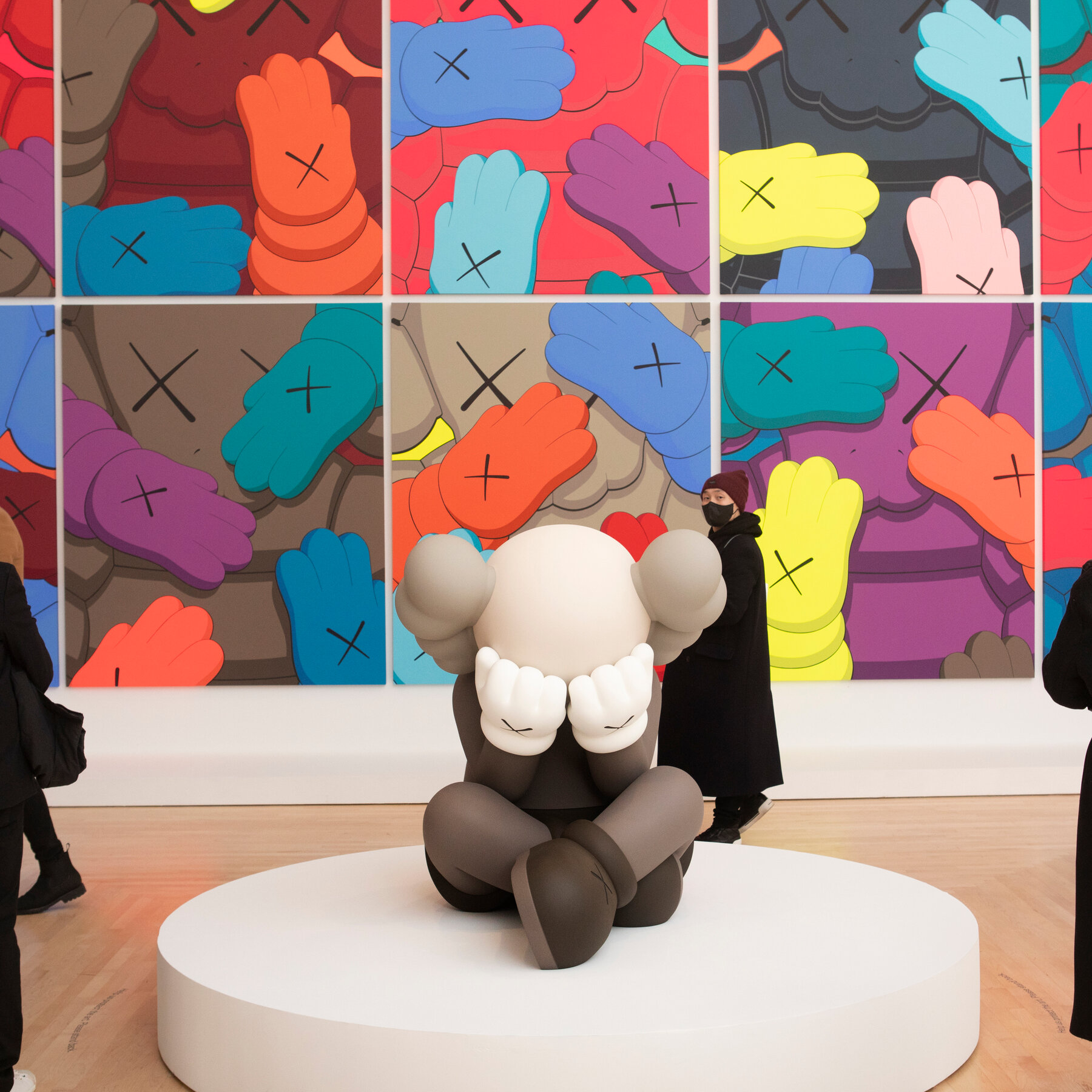
The Companion is the anchor of KAWS’s artistic legacy, a figure that bridges the gap between street art culture and high-end contemporary sculpture. Since its debut, this character has evolved from a graffiti tag into a complex symbol of modern identity, exploring themes of isolation and connection through its iconic crossed hands and X-marked eyes. For collectors, these figures represent the most significant entry point into the KAWS canon, offering a tangible connection to the artist’s broader narrative.
KAWS approaches the Companion through a variety of material treatments and edition types, each commanding different levels of scarcity and value. The most coveted pieces are often the limited-edition vinyl multiples released in collaboration with brands like Medicom Toy or Be@rbrick. These releases frequently feature unique paint applications, such as the translucent "Clear" or "Paint Splatter" variants, which transform the familiar silhouette into something ephemeral and visually striking. Open editions, while more accessible, often lack the secondary market momentum of their limited counterparts.
Materiality plays a crucial role in the aesthetic experience of these sculptures. While standard vinyl figures dominate the market, KAWS has also produced works in resin, bronze, and even glass. Resin versions often carry a heavier, more museum-quality presence, suitable for permanent display, whereas vinyl figures allow for more frequent color experimentation. The finish—whether matte, gloss, or metallic—significantly impacts how the figure interacts with light, adding depth to the minimalist form.
The following selection highlights some of the most sought-after Companion figures currently available, ranging from recent drops to classic staples that have maintained their desirability over time.

As an Amazon Associate, we may earn from qualifying purchases.
Limited Edition Prints and Paintings
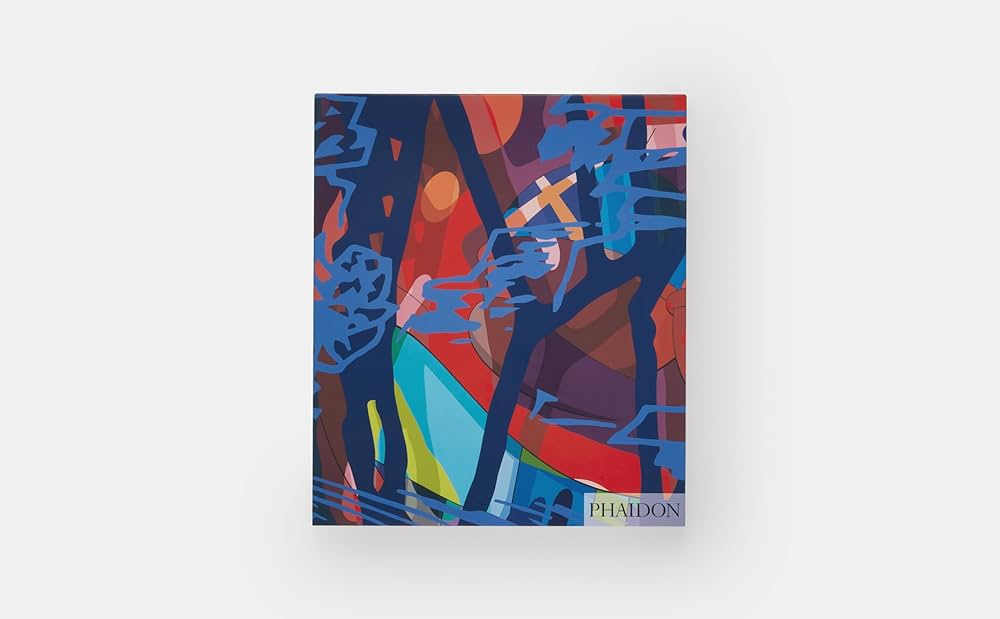
KAWS’s two-dimensional works serve as the most accessible entry point into his broader artistic ecosystem. While his large-scale sculptures command six-figure sums at auction, limited edition prints and smaller acrylic paintings allow collectors to engage with his signature motifs—such as the Companion figure and crossed-out eyes—at a more manageable price tier. These works often bridge the gap between his street art origins and contemporary fine art, retaining the raw energy of his early graffiti pieces while demonstrating refined technical control.
The market for KAWS 2D works is robust, driven by high demand for screen prints that replicate his bold, pop-culture-infused imagery. Artists like Brian Donnelly (KAWS) have built a legacy where limited runs create immediate scarcity, often leading to secondary market appreciation. For those interested in original acrylic paintings, the barrier to entry is significantly higher, but these pieces offer a direct connection to the artist’s hand and process, often featuring unique textures and layering not present in printed editions.
To understand the distinctions between these formats, it helps to compare their typical attributes, production methods, and collector appeal.
| Format | Typical Medium | Edition Size | Primary Appeal |
|---|---|---|---|
| Screen Print | Giclée or Serigraph | Limited (50-300) | Affordable entry, high visual impact |
| Acrylic Painting | Acrylic on Canvas | Unique (1/1) | Originality, artistic process |
| Giclée Print | Archival Ink on Paper | Open or Limited | Reproducibility, lower cost |
| Original Drawing | Marker/Pencil on Paper | Unique (1/1) | Sketch quality, behind-the-scenes |
When evaluating these pieces, collectors should prioritize provenance and condition. Limited edition prints often come with certificates of authenticity from galleries like Hamilton-Selway or Artsy, which verify the edition number and signature. For original paintings, the physical condition of the canvas and the clarity of the acrylic layers are paramount. Whether you are starting with a screen print or investing in a small canvas, understanding the specific attributes of each format ensures a more informed acquisition.

As an Amazon Associate, we may earn from qualifying purchases.
Rare and Collaborative Pieces
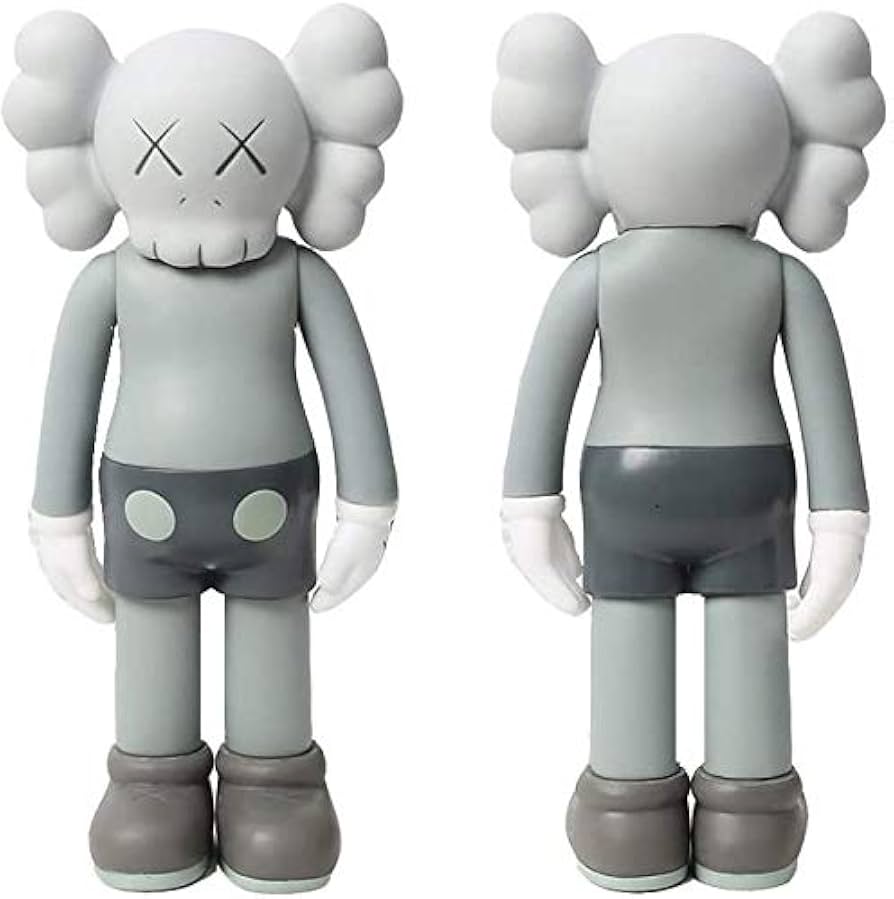
The secondary market for Kaws art is defined by high-value collaborative works and limited-edition releases that blur the line between commercial design and fine art. These pieces often command premium prices because they represent significant moments in the artist's career, bridging the gap between street culture and institutional recognition. Collectors prioritize these items not just for their aesthetic appeal, but for their historical significance in the evolution of contemporary pop art.
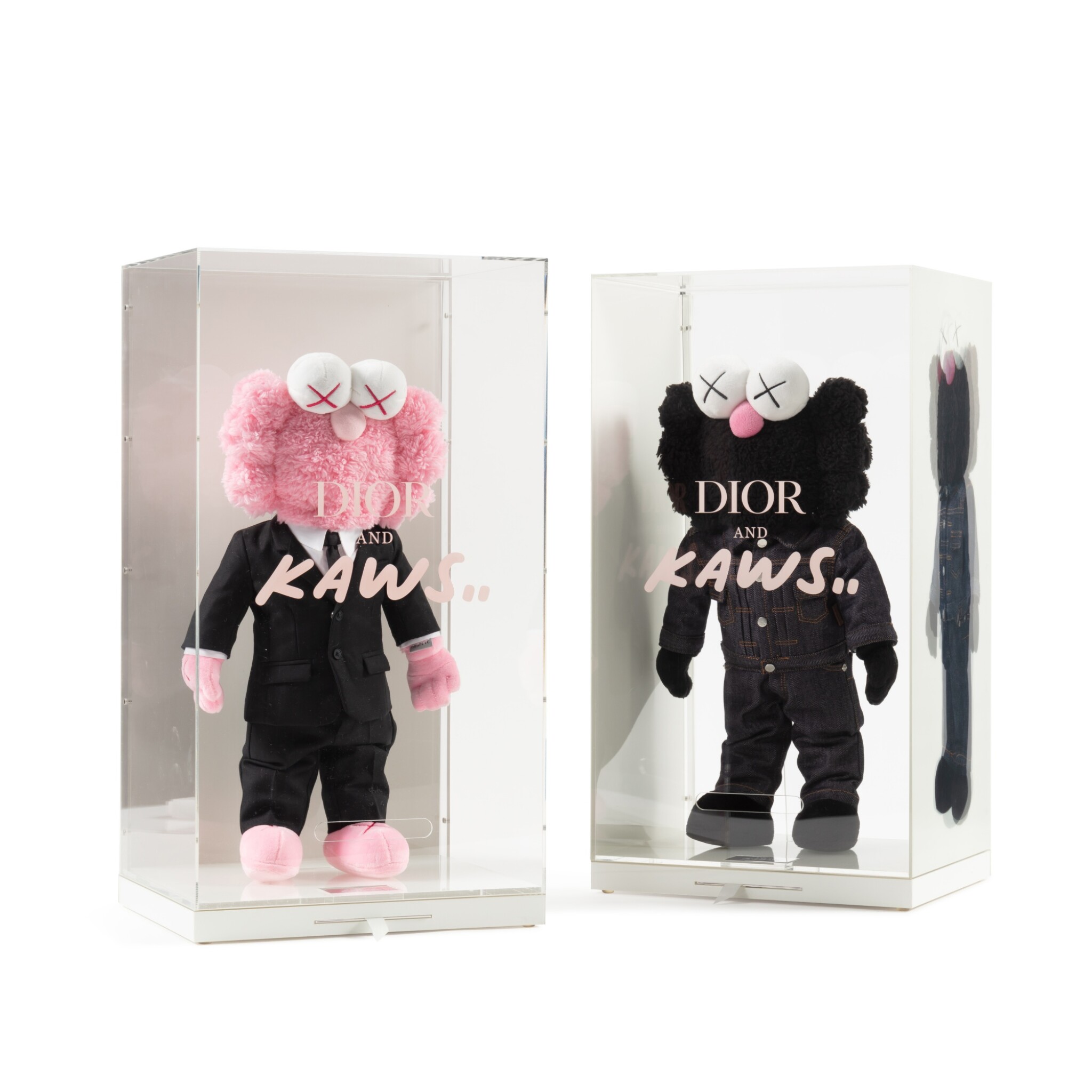
Collaborations with major fashion houses and brands have produced some of the most sought-after Kaws collectibles. Works resulting from partnerships with entities like Dior, Uniqlo, and Nike often feature unique material treatments or exclusive colorways that distinguish them from standard releases. These collaborative figures serve as tangible records of Kaws's influence on global design trends, making them essential additions for serious collectors looking to diversify their holdings beyond solo sculptural works.
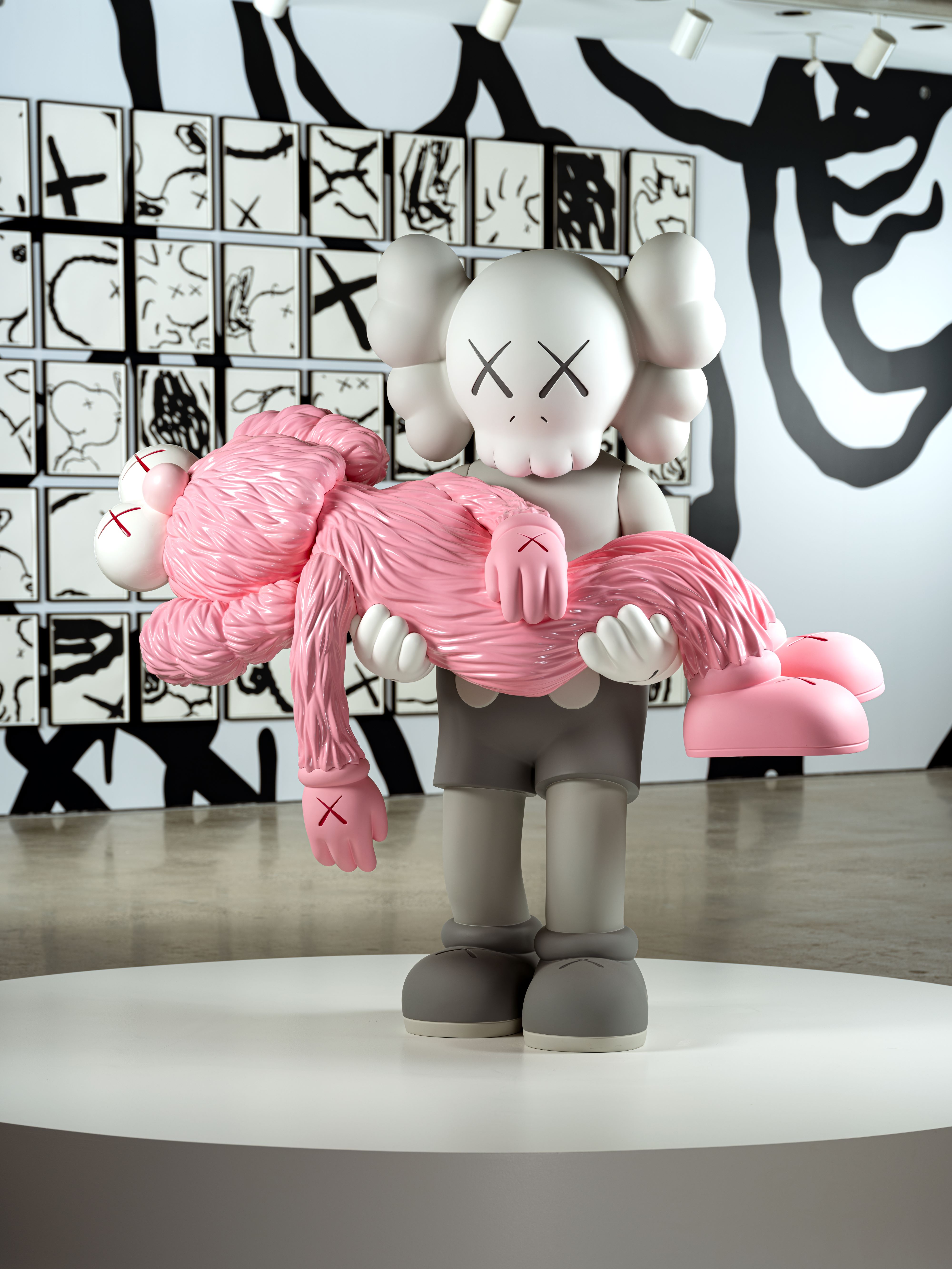
Large-scale sculptures and museum-grade installations also play a critical role in the rare collectible landscape. While many large works are commissioned for public spaces or gallery exhibitions, limited runs of smaller-scale versions or maquettes frequently appear on the secondary market. These pieces offer a more accessible entry point into high-end Kaws collecting, allowing enthusiasts to own a fragment of the artist's monumental vision.
The authenticity and provenance of these rare pieces are paramount. Collectors should always verify the condition and documentation of collaborative works, as the market for counterfeits in high-profile collaborations is active. Understanding the specific release history, including any associated exhibitions or catalog entries, adds significant value and ensures the long-term viability of the investment.
As an Amazon Associate, we may earn from qualifying purchases.
How to Authenticate Kaws Art
Counterfeits of Kaws collectibles are widespread, making verification a critical step for any serious collector. Brian Donnelly’s work spans limited-edition vinyl figures, large-scale sculptures, and screen prints, each with distinct markers that separate the original from the replica. By examining specific physical details and documentation, you can protect your investment from fake goods.

Authentic Kaws vinyl figures feature smooth, high-quality paint application with no visible brush strokes or glue residue. The base should be clean and often includes a molded or stickered edition number (e.g., 1/500). Counterfeits frequently exhibit sloppy paint jobs, misaligned parts, or cheap, flimsy plastic that feels lightweight compared to the solid feel of genuine pieces.
Most official Kaws releases come with a Certificate of Authenticity issued by the manufacturer, such as Medicom Toy or Brandalicious. This document should include the artist’s signature, the edition size, and a unique serial number that matches the item. If a seller cannot provide a verifiable COA, or if the document looks generic and poorly printed, the item is likely counterfeit.
Original packaging is a key authentication tool. Look for high-quality box printing with sharp colors and correct branding. Many Kaws figures include a holographic security sticker on the box or the figure itself. These stickers are difficult to replicate accurately; if the hologram is missing, peeling, or looks like a standard reflective sticker, proceed with caution.
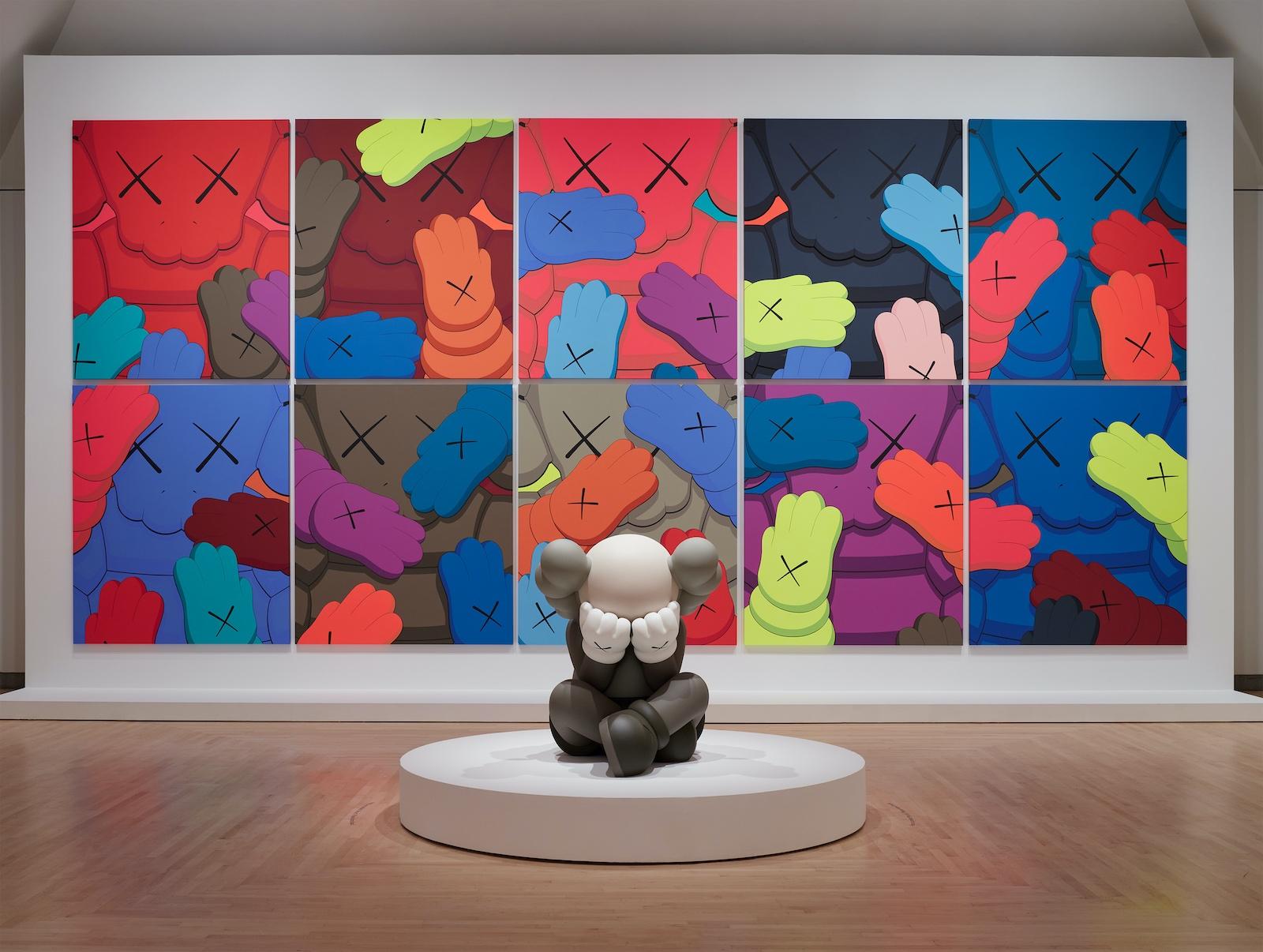
Use official resources like Artsy or the artist’s gallery pages to compare your item against high-resolution images of the authentic release. Pay close attention to subtle details: the spacing between the X’s in the eyes, the shape of the ears, and the font used on any labels. Even minor deviations in proportion or color shade can indicate a fake.
Common Questions About KAWS Collectibles
Collecting KAWS requires balancing aesthetic appreciation with market realities. Because Brian Donnelly’s work spans from mass-market vinyl to high-end gallery sculptures, understanding the nuances of authentication and value retention is essential for any buyer.
No comments yet. Be the first to share your thoughts!