

Why Kaws Art commands attention
KAWS (born Brian Donnelly) has transformed street art into a global commodity, bridging the gap between underground graffiti and high-end gallery spaces. His work, which spans sculptures, acrylic paintings, and screen prints, is instantly recognizable for its signature "XX" eyes and anthropomorphic figures. This unique visual language has allowed him to dominate both the contemporary art market and popular culture, making Kaws art a focal point for collectors and enthusiasts alike.
The commercial success of Kaws art is evident in the widespread availability of his figures and prints through major retail channels. From limited-edition vinyl toys to large-scale bronze sculptures, his output is designed for mass appeal without sacrificing artistic integrity. This accessibility has fueled a secondary market where rare pieces command significant premiums, turning his work into a tangible asset class for investors.
His influence extends beyond the canvas. Collaborations with major brands like Nike, Uniqlo, and Dior have embedded his aesthetic into everyday life, further solidifying his status as a cultural icon. This cross-pollination of street culture and luxury fashion has created a sustained demand for his work, ensuring that Kaws art remains a relevant and valuable investment in the modern art landscape.
Iconic Companion figures
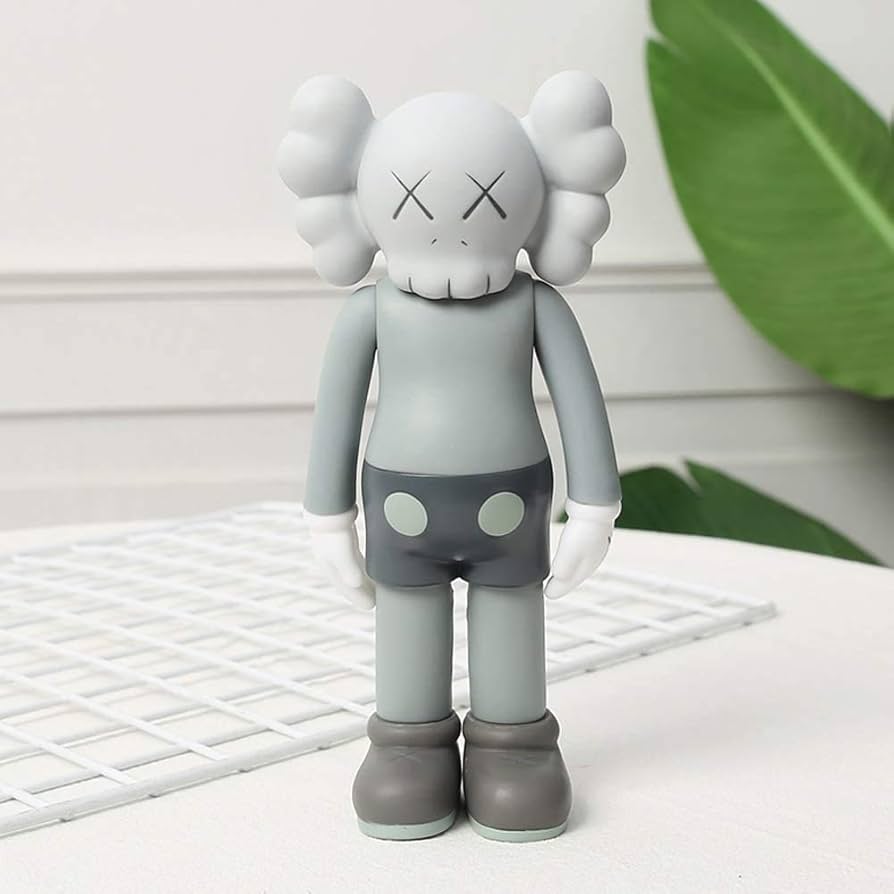
The Companion is the anchor of the KAWS art world, a vinyl figure that bridges the gap between street art graffiti and high-end collectible design. Since its debut, this character has become the most recognizable symbol of the artist’s universe, appearing in collaborations with brands like Nike, Uniqlo, and Supreme. For collectors, the Companion is not just a toy; it is a cultural artifact that signals an understanding of contemporary art history.
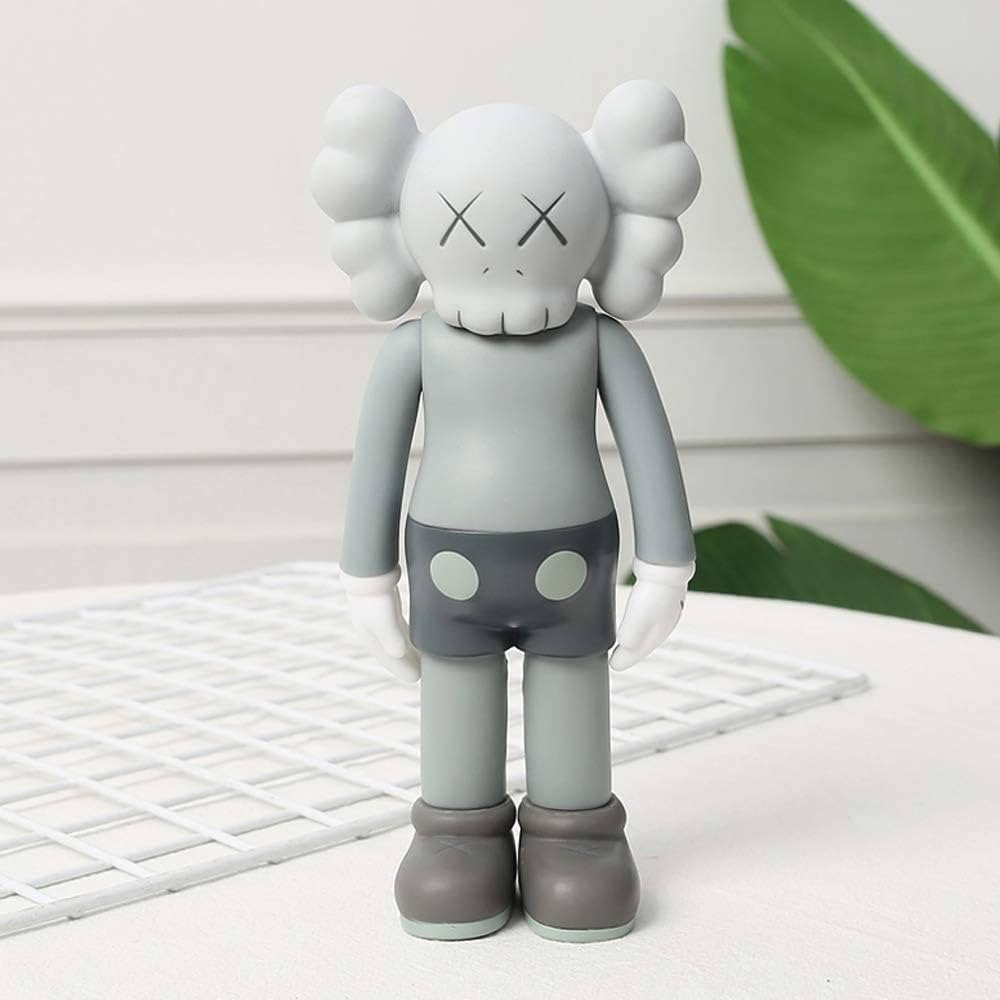
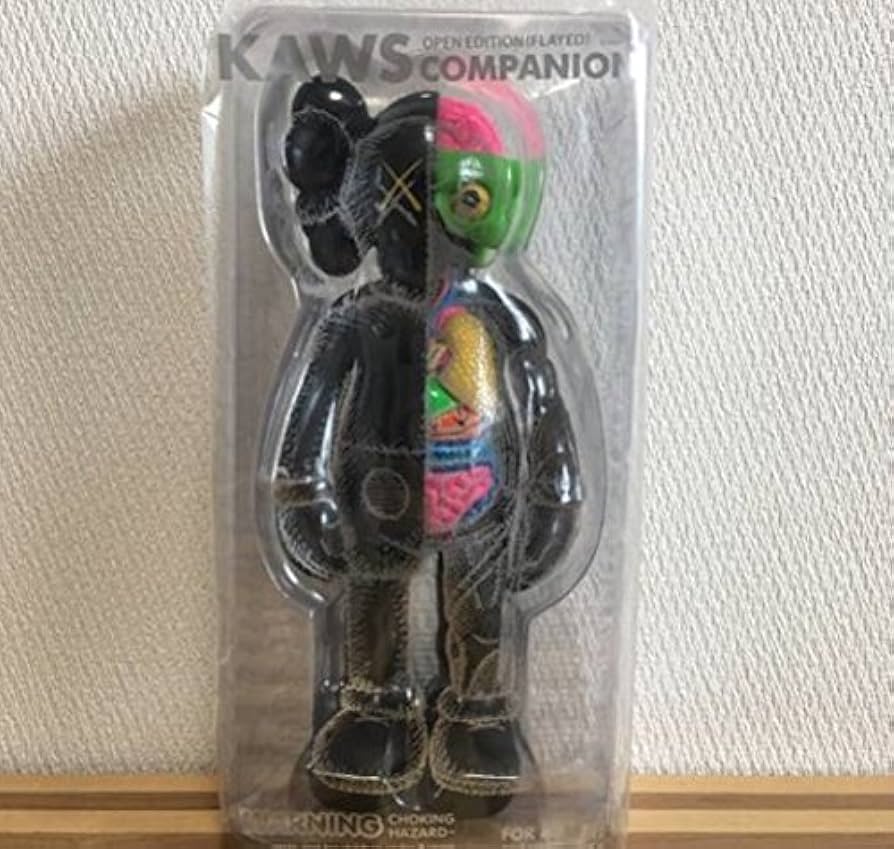
The design is deceptively simple: a humanoid shape with the signature "XX" eyes and gloves. However, the value lies in the variations. Early editions featured the classic "Companion" with a skull motif, while later iterations introduced the "Companion (Grey)" and various holiday editions. These figures are produced in limited runs, often selling out within minutes of release, which creates a secondary market where rarity drives significant price appreciation.
The Companion’s appeal extends beyond its visual simplicity. It represents a shift in how art is consumed, moving from gallery walls to living room shelves. Collectors prize these figures for their versatility and the way they reflect the artist’s evolution. Whether you are looking for a rare, signed piece or a standard open edition, the Companion remains the most sought-after entry point into the KAWS collection.
Top Companion Figures to Collect
The Companion figure exists in dozens of variations, each with its own story and market demand. Below are the most iconic versions that define the KAWS aesthetic.
As an Amazon Associate, we may earn from qualifying purchases.
Limited edition prints and paintings
KAWS (Brian Donnelly) operates a tiered market for his two-dimensional work. At the entry level, open edition prints like The KAWS Album (2014) offer accessible art, while limited edition gallery pieces command significant collector premiums. Understanding this hierarchy is essential for navigating the secondary market.
The artist’s output spans from commercial screen prints to large-scale gallery canvases. While prints are often produced in numbered runs of 100 to 500, original paintings are one-of-a-kind works that trade at auction houses like Sotheby’s and Christie’s. The value difference is stark, driven by scarcity and provenance.
The table below compares the primary attributes of KAWS’ 2D collectibles.
| Work Type | Medium | Rarity | Price Tier |
|---|---|---|---|
| Open Edition Print | Screen Print on Paper | Unlimited | $500 - $2,000 |
| Limited Edition Print | Screen Print on Paper | 100 - 500 copies | $2,000 - $10,000 |
| Gallery Painting | Oil/Acrylic on Canvas | One-of-a-kind | $50,000+ |
Collaborative merchandise and toys
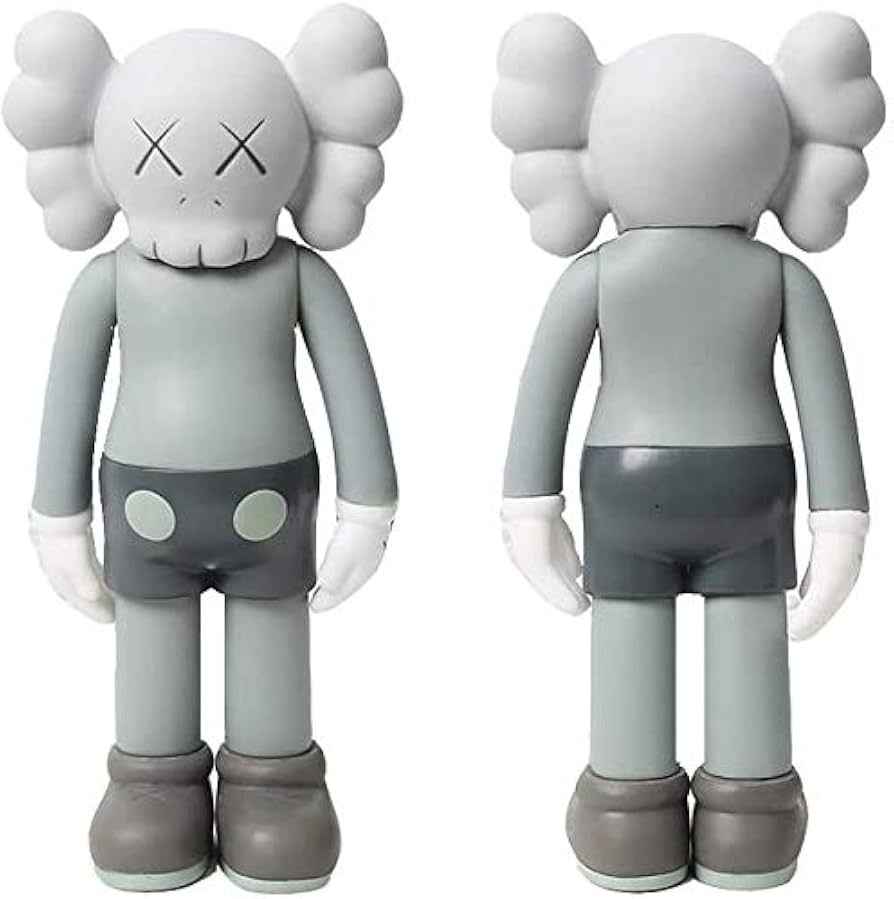
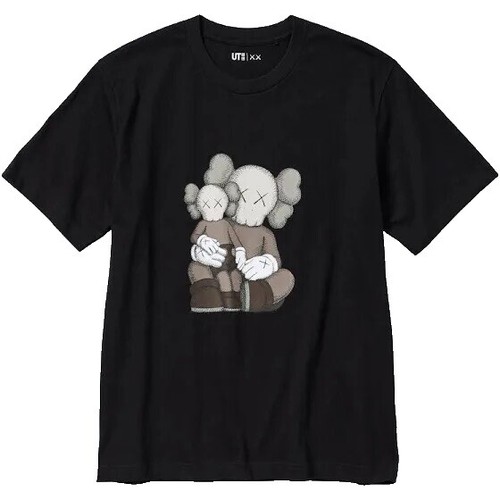
KAWS built his reputation by bridging the gap between street art and high-end collectibles, a strategy that began with commercial collaborations. These partnerships allowed him to inject his signature aesthetic—most notably the Companion figure with its crossed-out eyes—into everyday objects. For collectors, these items serve as accessible entry points into the Kaws art market, offering tangible connections to the artist’s broader visual language without the price tag of a gallery painting.
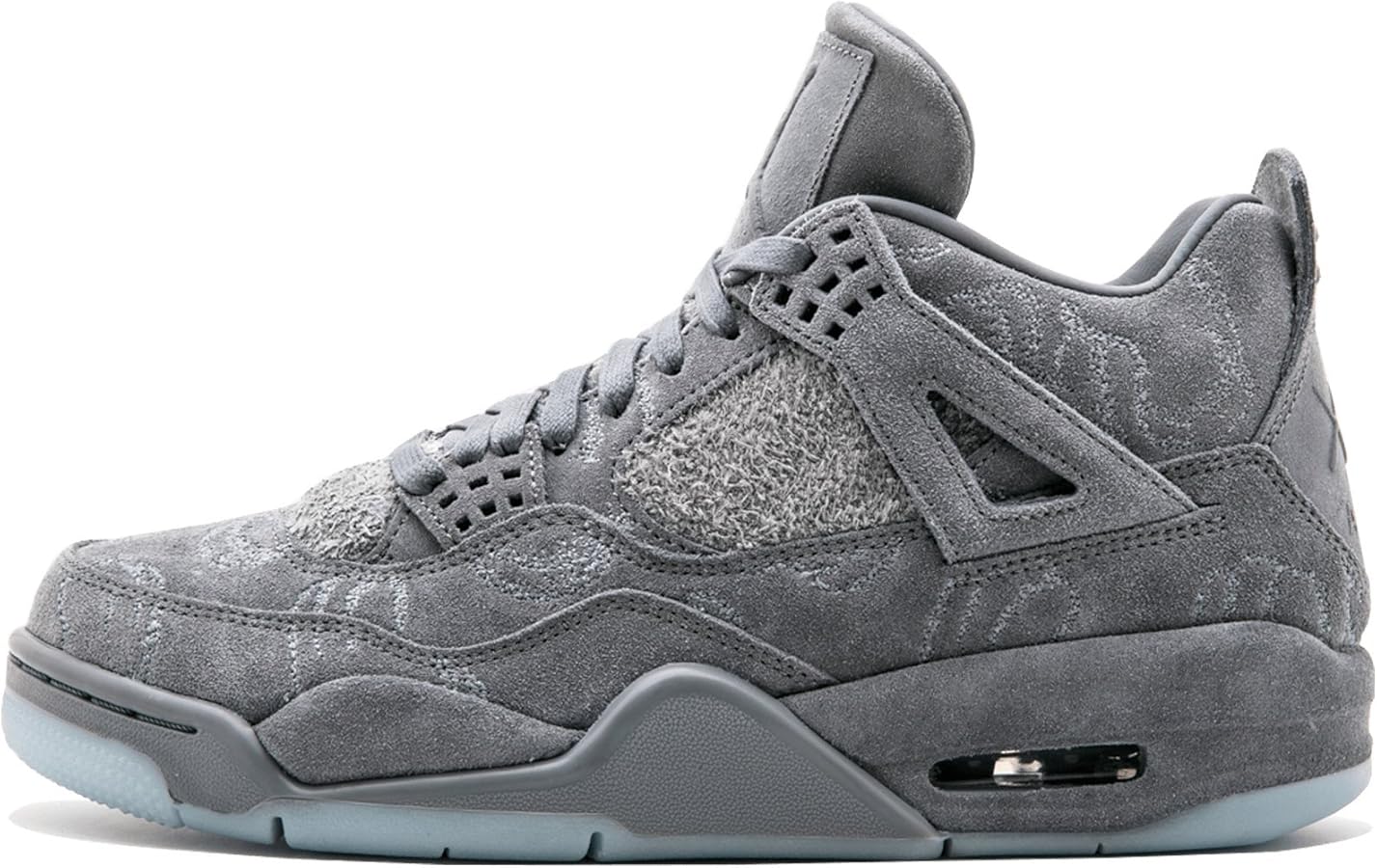
The artist’s early work in fashion and toy design established a blueprint for modern art collectibles. By applying his graphic style to sneakers, apparel, and vinyl figures, KAWS created a universe where fine art and consumer goods coexist. This approach has influenced a generation of artists who view commercial licensing not as a compromise, but as a primary medium for cultural impact.
Current market interest focuses heavily on limited-edition vinyl figures and collaborative apparel drops. These items often sell out quickly, creating a secondary market where rarity drives value. Collectors typically look for pieces that feature unique colorways or collaborations with major brands like Nike, Uniqlo, or Dior.
Below are some of the most sought-after collaborative merchandise and toys currently available through major retailers.
As an Amazon Associate, we may earn from qualifying purchases.
How to authenticate Kaws collectibles
Counterfeits of Kaws figures and prints are widespread, making verification essential before purchase. Because Kaws (Brian Donnelly) is a New York-based artist known for limited edition toys and commercial collaborations, the secondary market is flooded with high-quality fakes. Distinguishing an authentic piece from a replica requires checking specific physical details and provenance.
Start by examining the base of vinyl figures. Authentic Kaws figures, such as the Companion series, have clean, sharp molding with no visible seam lines or rough plastic edges. The paint application should be precise, with no bleeding or smudging. Check the font on the base; it should be crisp and evenly spaced. Fakes often have blurry text or incorrect spelling.
For prints, verify the edition number and signature. Authentic Kaws prints are signed by the artist and numbered (e.g., 50/150). The signature should look hand-drawn, not printed. Check the paper quality; it should be high-grade, archival paper, not standard glossy photo paper. Look for a holographic sticker or certificate of authenticity from the gallery or distributor, such as The Nevica Project or Gallery 1988.
When buying online, request high-resolution photos of the base, signature, and any certificates. If the price seems too good to be true, it likely is. For high-value items, consider using a third-party authentication service or consulting with a specialist dealer. Remember, once you buy a fake, you cannot get your money back.
Frequently asked questions about Kaws art
How can I verify the authenticity of a Kaws print or figure?
Counterfeits are widespread in the secondary market. Always request the original Certificate of Authenticity (COA) from the publisher or gallery. For high-value figures, check for specific molding details and paint application quality that differ in knock-offs. Consulting official sources like Artsy or gallery archives helps establish a verified provenance before purchase.
What is the current value range for Kaws art?
Prices vary significantly by medium. Limited edition vinyl figures typically range from $300 to $1,500 depending on rarity and condition. Original prints and larger sculptures command much higher prices, often reaching tens of thousands of dollars at auction. Market trends fluctuate, so checking recent sales on platforms like Artsy provides the most accurate current valuation.
How should I store and care for my Kaws collectibles?
Keep vinyl figures away from direct sunlight to prevent yellowing and paint fading. Store them in a cool, dry environment to avoid warping. For prints, use UV-protective glass and acid-free mounting materials. Handling figures with clean, dry hands prevents oil transfer that can degrade the surface finish over time.
No comments yet. Be the first to share your thoughts!