

The Rising Tide of Kaws Fakes: Why Authentication Matters Now
The market for Kaws figures and Kaws artwork is booming. What started as limited-edition toys has become a serious collecting field, with some pieces fetching tens, even hundreds, of thousands of dollars. This surge in value, particularly on the secondary market, has unfortunately attracted a wave of counterfeiters. It's a problem that’s getting worse, and 2026 will likely see even more sophisticated fakes circulating.
It’s not simply about the financial loss, though that’s certainly a factor. Buying a fake Kaws diminishes the value of the entire collecting community and, more importantly, disrespects the Kaws artist himself. Brian Donnelly, the artist behind Kaws, has built a legacy on unique design and thoughtful execution – something easily lost when imitations flood the market. I’ve seen countless posts on forums and social media of collectors realizing they’ve been duped, and it's heartbreaking.
The secondary market, fueled by platforms like Farfetch and online auctions, is where most fakes appear. While these platforms aren't inherently malicious, they often lack the resources or expertise to thoroughly vet every item. This creates an opening for unscrupulous sellers to pass off fakes as genuine articles. The increased accessibility of 3D printing and resin casting technologies has also made it easier than ever to create convincing copies.
The price difference between a genuine piece and a convincing fake can be substantial, but the risk isn’t worth the savings. Beyond the financial aspect, a fake Kaws simply doesn’t hold the same artistic or cultural weight. It’s a hollow imitation of something special. In 2026, due diligence is more important than ever before. Don't rush a purchase, and always, always question the source.
Decoding the Materials: Plastics, Vinyl, and Beyond
Kaws frequently utilizes specific types of vinyl and plastic in his figures. You need to know these materials to tell if a piece is real. For many of his Companion and Chum figures, he uses a high-quality, relatively soft vinyl. It’s not brittle or cheap-feeling; it has a certain weight and flexibility. Fakes often use a harder, less expensive vinyl that feels distinctly different to the touch.
Genuine Kaws vinyl often has a subtle, almost chemical smell – not overpowering, but noticeable. This is due to the specific plasticizers used in the manufacturing process. Counterfeiters often use different plasticizers, resulting in a different odor, or no discernible smell at all. I've found that smelling the vinyl is a weirdly effective test. I usually go to Dope Gallery to handle their stock so I have a baseline for what the real plasticizers smell like.
Limited-edition Kaws pieces sometimes incorporate other materials like wood, metal, or resin. For example, some of his larger sculptures are made from polished wood. When dealing with these materials, examine the quality of the finish. Is the wood properly sealed? Is the metal free from blemishes? Fakes often cut corners on these details.
Look closely at the surface texture. Genuine Kaws figures often have subtle imperfections – tiny bubbles, slight variations in color. These aren’t flaws; they’re evidence of the hand-crafted nature of the production process. Fakes often have a too-perfect, machine-made appearance. Toy Tokyo often features pieces that exhibit this level of detail, providing a good reference point.
- Vinyl Quality: Genuine Kaws vinyl is soft and flexible.
- Odor: A subtle, chemical smell is often present in authentic pieces.
- Surface Texture: Look for subtle imperfections and variations.
- Material Consistency: Ensure the materials used match the edition details.
The Devil is in the Details: Examining Paint Application and Finishing
The paint application on a genuine Kaws figure is rarely flawless, but it’s consistently imperfect. This sounds counterintuitive, but it’s a key indicator of authenticity. Kaws’ production process isn’t about robotic precision; it's about a specific aesthetic. Expect slight variations in color, minor paint splatters, or subtle inconsistencies in coverage.
Fakes, on the other hand, often have overly smooth, even paint jobs. They lack the nuanced imperfections of the real thing. Pay close attention to areas where colors meet – are the transitions clean and natural, or are they harsh and abrupt? Also, examine for drips, smudges, or areas where the paint is too thick or too thin.
Kaws utilizes a specific palette of colors, and subtle variations can be a telltale sign of a fake. For example, the signature gray of the Companion figure has a particular tone. Compare the color of the figure you’re examining to images of known authentic pieces. Be mindful of variations due to screen calibration, but look for significant discrepancies.
The finish – matte, gloss, or a combination of both – is also important. Kaws often uses a matte finish, but the level of matte can vary. Fakes frequently get this wrong, using a gloss finish where a matte finish is appropriate, or vice versa. The finish should be consistent across the entire figure, without any noticeable inconsistencies.
Anatomy of a Fake: Common Proportions and Sculptural Errors
Kaws figures are known for their distinctive proportions. The Companion, for example, has a relatively large head and small limbs. Fakes often get these proportions wrong, resulting in a figure that simply doesn’t look right. This is where careful comparison to known authentic examples is essential.
One common error in fakes is an oversized head. Counterfeiters struggle to accurately replicate the subtle curves and angles of the original sculpt. Another frequent mistake is limbs that are too short or too long. These discrepancies may seem minor, but they can significantly impact the overall appearance of the figure.
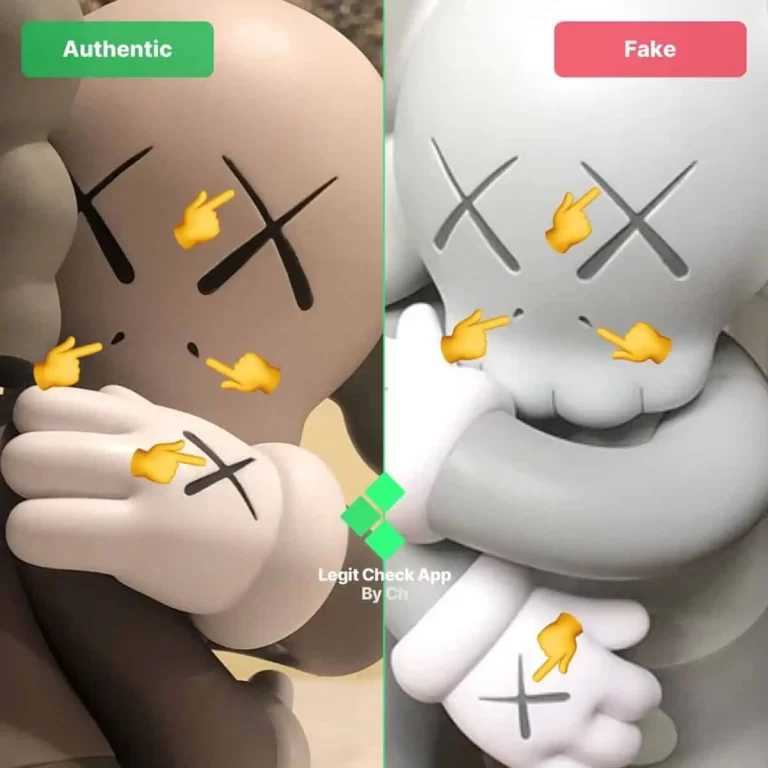
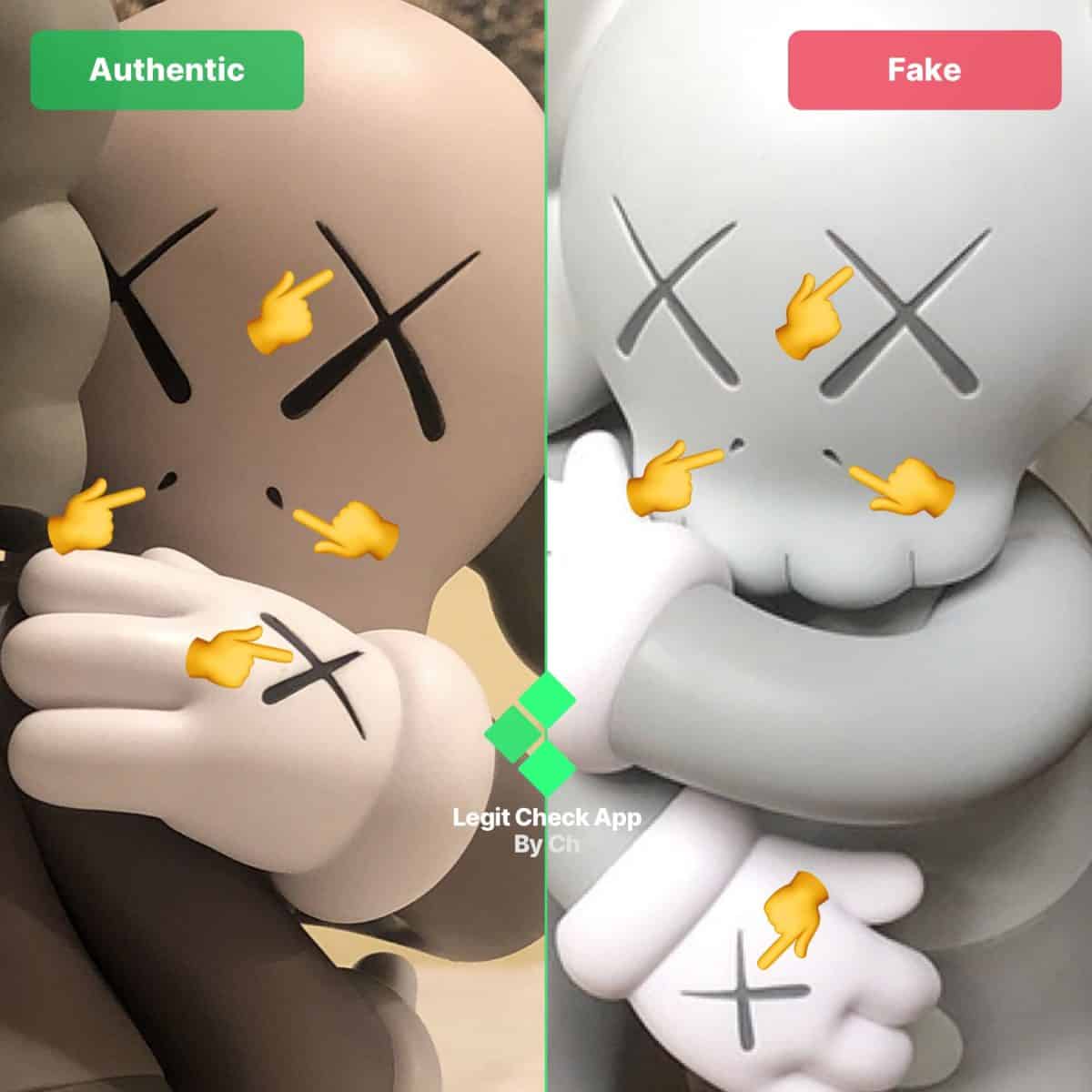
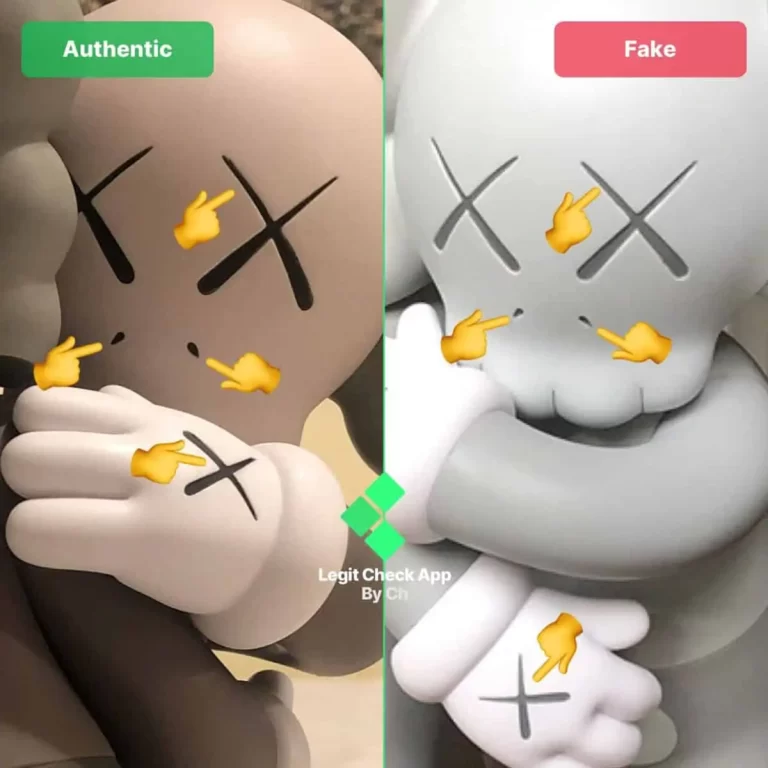
Examine the details of specific features. The Companion’s hands, with their crossed fingers, are particularly challenging to replicate accurately. Fakes often have hands that are too bulky or misshapen. Similarly, the Chum’s teeth are a key detail – are they the correct shape and size? Are they properly aligned?
Unfortunately, precise measurements for authentic Kaws figures are difficult to come by, as there can be slight variations even within legitimate production runs. However, comparing the overall scale and proportions of the figure you’re examining to images and videos of known authentic pieces can help you identify potential red flags. Look for anything that simply feels "off".
Proportion Check: Authenticating KAWS Figures
| Feature | Genuine KAWS | Common Fake Errors |
|---|---|---|
| Head Size | Disproportionately large compared to the body, a key stylistic element of KAWS's work. The size varies across different figures and companions. | Often too small or proportionally accurate to the body, losing the signature KAWS aesthetic. May appear rounder or less defined. |
| Limb Length | Arms and legs are typically somewhat stubby and rounded, contributing to the figures’ overall cuddly appearance. | Frequently too long or slender, resulting in a stretched or awkward appearance. Proportions may mimic standard action figures. |
| Hand Shape | Characterized by three-finger hands, a consistent motif in KAWS's designs. Fingers are rounded and distinct. | Incorrect number of fingers (often four or five). Fingers may be overly pointed or lack definition. May appear too small relative to the hand. |
| Feet Shape | Generally large and slightly rounded, providing a stable base for the figure. The shape varies depending on the specific character. | Often too small or narrow, making the figure appear unstable. May lack the characteristic rounded form. |
| Overall Build | Figures generally have a soft, rounded form, even with angular features. There's a deliberate 'toy-like' quality. | May appear too sharp, angular, or detailed, lacking the intentional simplicity of KAWS's designs. Can feel less substantial in hand. |
| Material Quality | Authentic figures are made from high-quality vinyl or other materials, exhibiting a smooth, consistent texture. | Often made from cheaper, lower-quality plastic with visible imperfections, uneven texture, or a brittle feel. |
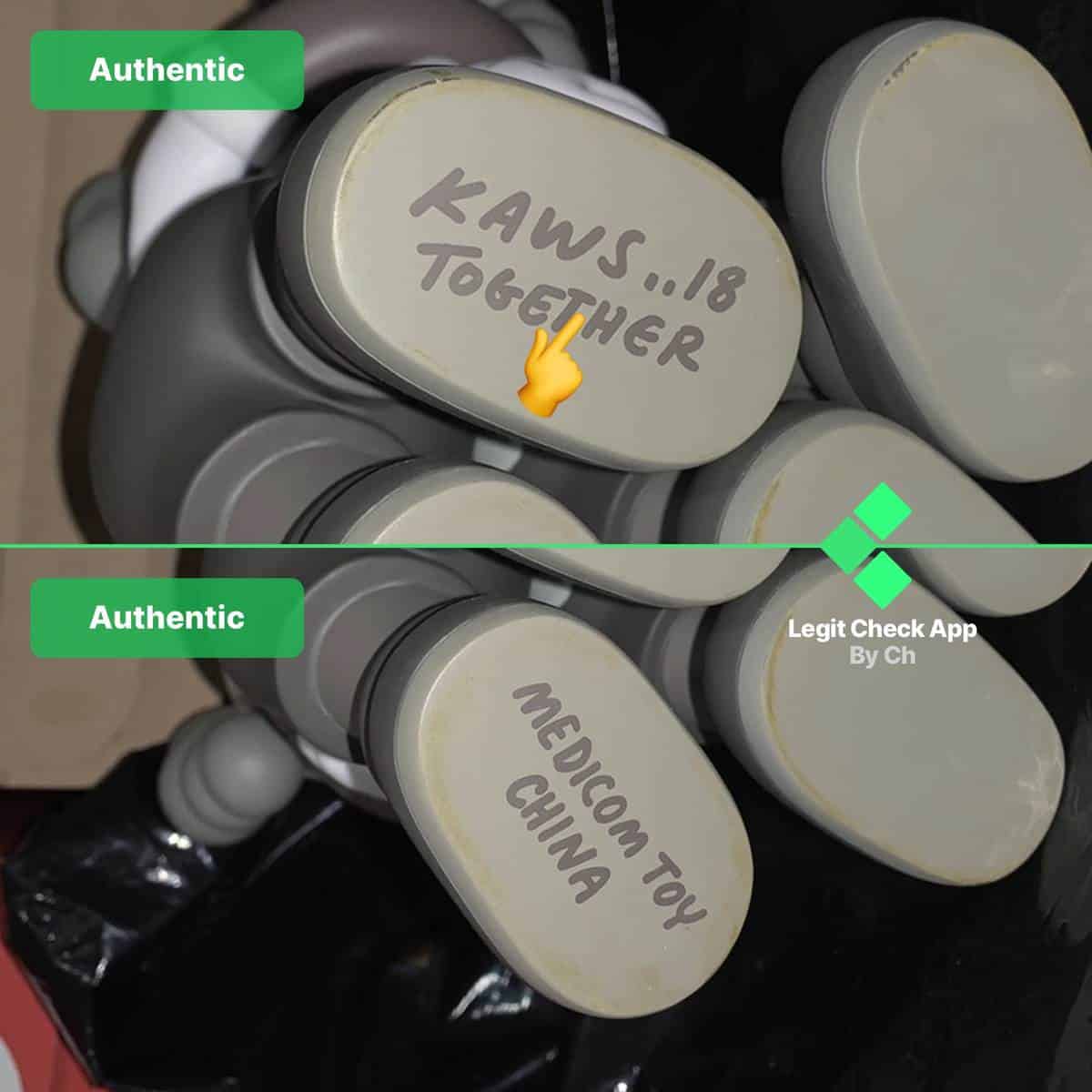
| Logos & Markings | KAWS figures often feature subtle logos or markings, typically on the feet or underside of the figure. These markings are cleanly applied. | Logos may be missing, poorly defined, or incorrectly placed. Font inconsistencies are a common indicator of a fake. |
Illustrative comparison based on the article research brief. Verify current pricing, limits, and product details in the official docs before relying on it.
Packaging and Documentation: What a Real Kaws Release Looks Like
The packaging of a Kaws figure is a crucial element of authentication. Kaws typically uses sturdy cardboard boxes with high-quality printing. The boxes often feature the Companion logo and other branding elements. Examine the printing quality closely – is it sharp and clear, or is it blurry and pixelated? Fakes often have poor-quality printing.
Pay attention to the tags and labels. Genuine Kaws releases often include tags with specific edition information, such as the release date and edition size. These tags should be securely attached to the figure and made from high-quality materials. Counterfeit tags are often flimsy and poorly printed.
Certificates of authenticity (COAs) are sometimes included with Kaws releases, particularly for limited-edition pieces. However, COAs can be easily forged, so don’t rely on them solely for authentication. Verify the authenticity of the COA by contacting the issuing organization or a reputable authenticator.
Provenance – the history of ownership – is also important. Where did the figure come from? Does the seller have any documentation to support its authenticity? A clear and verifiable provenance can significantly increase the confidence in a purchase. Buying from Dope Gallery or Toy Tokyo reduces your risk, but even then, you should check the box construction yourself.liminate it entirely.
Where to Seek Expert Opinions: Authenticators and Communities
When in doubt, seek the opinion of a professional authenticator. Several reputable services specialize in authenticating Kaws figures. These services typically charge a fee, but it can be a worthwhile investment, especially for high-value pieces. Be sure to research the authenticator’s credentials and reputation before submitting your figure.
Online communities dedicated to Kaws collecting can also be valuable resources. Forums and social media groups provide a platform for collectors to share information, discuss authentication issues, and offer opinions. However, be cautious about relying solely on the opinions of other collectors – not everyone is an expert.
Reputable authenticators include specialized art appraisers with experience in contemporary toys and collectibles. They often have access to extensive databases of authentic examples and can identify subtle details that might be missed by the untrained eye. Expect to pay several hundred dollars, or more, for a comprehensive authentication report.
While Dope.gallery and Toy Tokyo are generally trusted sources for genuine Kaws pieces, even buying from these dealers doesn’t guarantee authenticity. Counterfeiters are becoming increasingly sophisticated, and fakes can slip through even the most rigorous vetting processes. Always exercise caution and do your own due diligence.
Future-Proofing Your Collection: Emerging Authentication Technologies
The fight against Kaws fakes is an ongoing arms race. As counterfeiters become more sophisticated, new authentication technologies are needed to stay ahead. One promising area is the use of blockchain technology to create a secure and transparent record of ownership and provenance. Each figure could be assigned a unique digital identifier on the blockchain, making it virtually impossible to counterfeit.
Another potential solution is the integration of NFC (Near Field Communication) tags into Kaws figures. These tags could store information about the figure’s authenticity, provenance, and edition details. Buyers could then use a smartphone to scan the tag and verify the figure’s authenticity.
AI-powered authentication tools are also being developed. These tools use machine learning algorithms to analyze images of Kaws figures and identify subtle differences between authentic and fake pieces. While still in its early stages, this technology has the potential to revolutionize the authentication process.
However, it’s important to remember that no authentication method is foolproof. Counterfeiters will always find new ways to circumvent security measures. The key to protecting your collection is to stay informed, exercise caution, and seek expert opinions when necessary. The market will continue to evolve, and collectors must adapt to remain vigilant.
No comments yet. Be the first to share your thoughts!