
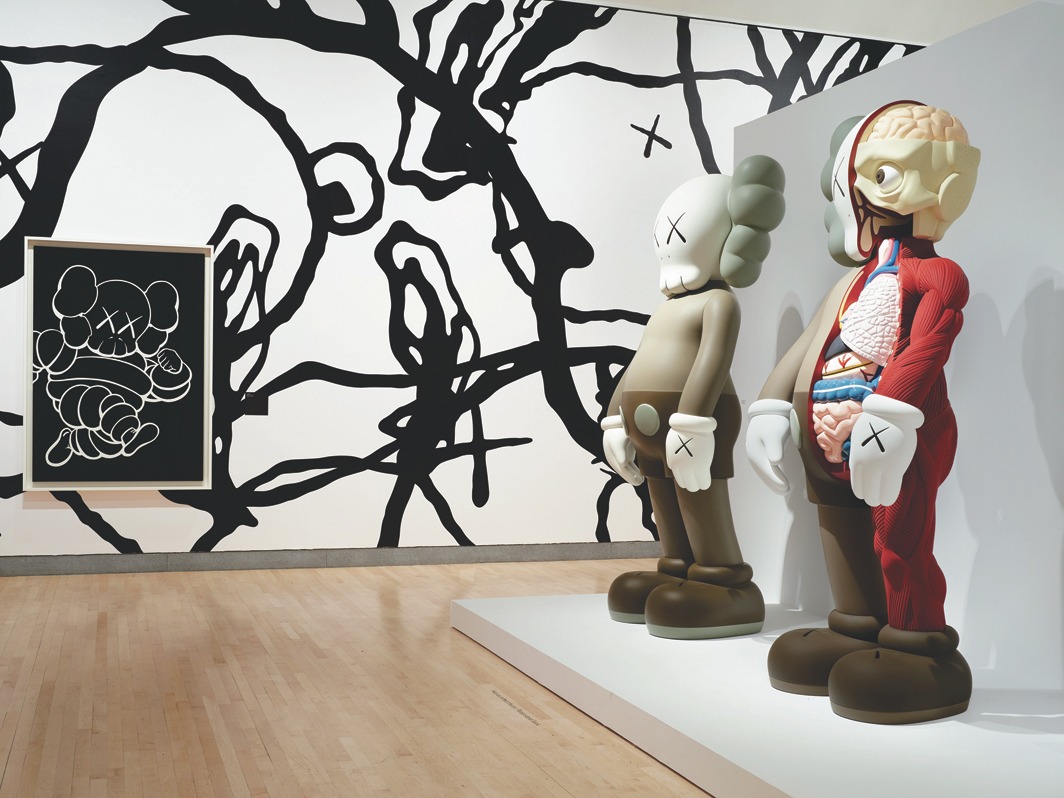

Why KAWS Art Matters to Collectors
KAWS (Brian Donnelly) operates at the intersection of street art and fine art, creating a unique market position that appeals to both art enthusiasts and pop culture fans. Born in Jersey City in 1974, he has built a career on translating cartoon-like figures into high-value sculptures, acrylic paintings, and screen prints. His work, most notably the Companion series, bridges the gap between commercial collaborations with brands like Uniqlo and Supreme and the serious gallery circuit.
For collectors, this duality is significant. It provides a tangible entry point into the contemporary art market through accessible merchandise, while the primary market—limited edition vinyl figures and original canvases—offers substantial appreciation potential. Christie’s has highlighted this trajectory, noting how his commercial visibility fuels demand for his gallery pieces. This dynamic creates a robust ecosystem where cultural relevance directly influences auction results.
The value of KAWS art stems from this consistent output across mediums. Whether it is a small-scale vinyl companion or a large-scale canvas, the iconography remains distinct and recognizable. This consistency allows collectors to build a cohesive portfolio that spans different price points and mediums, from affordable prints to investment-grade paintings.
Top KAWS Figures and Sculptures
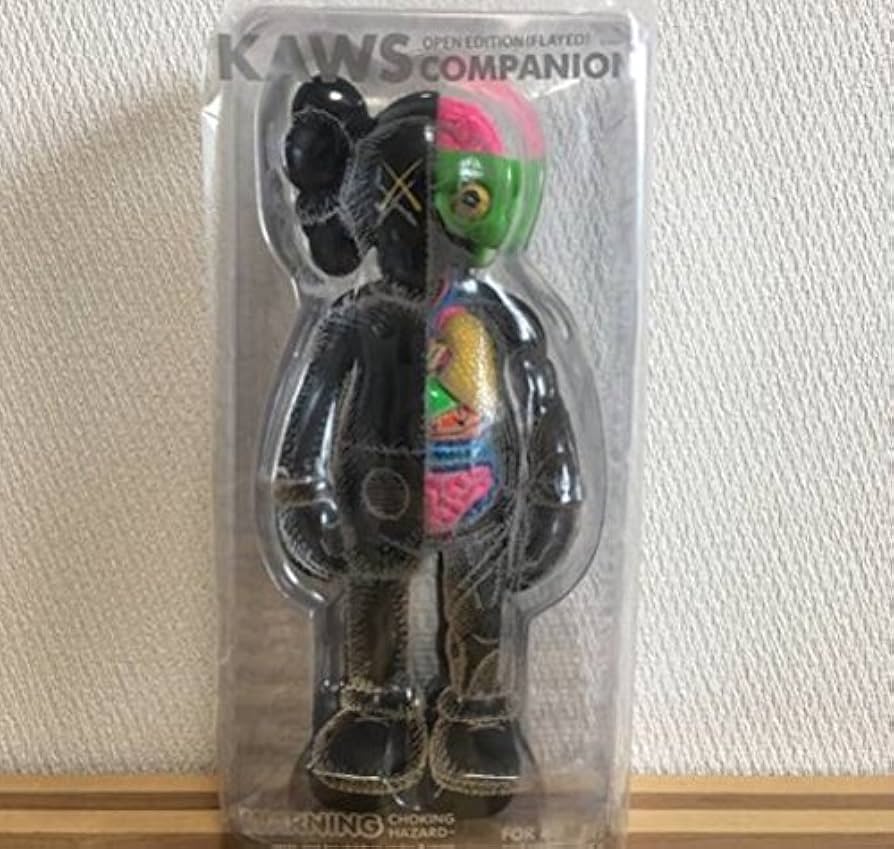
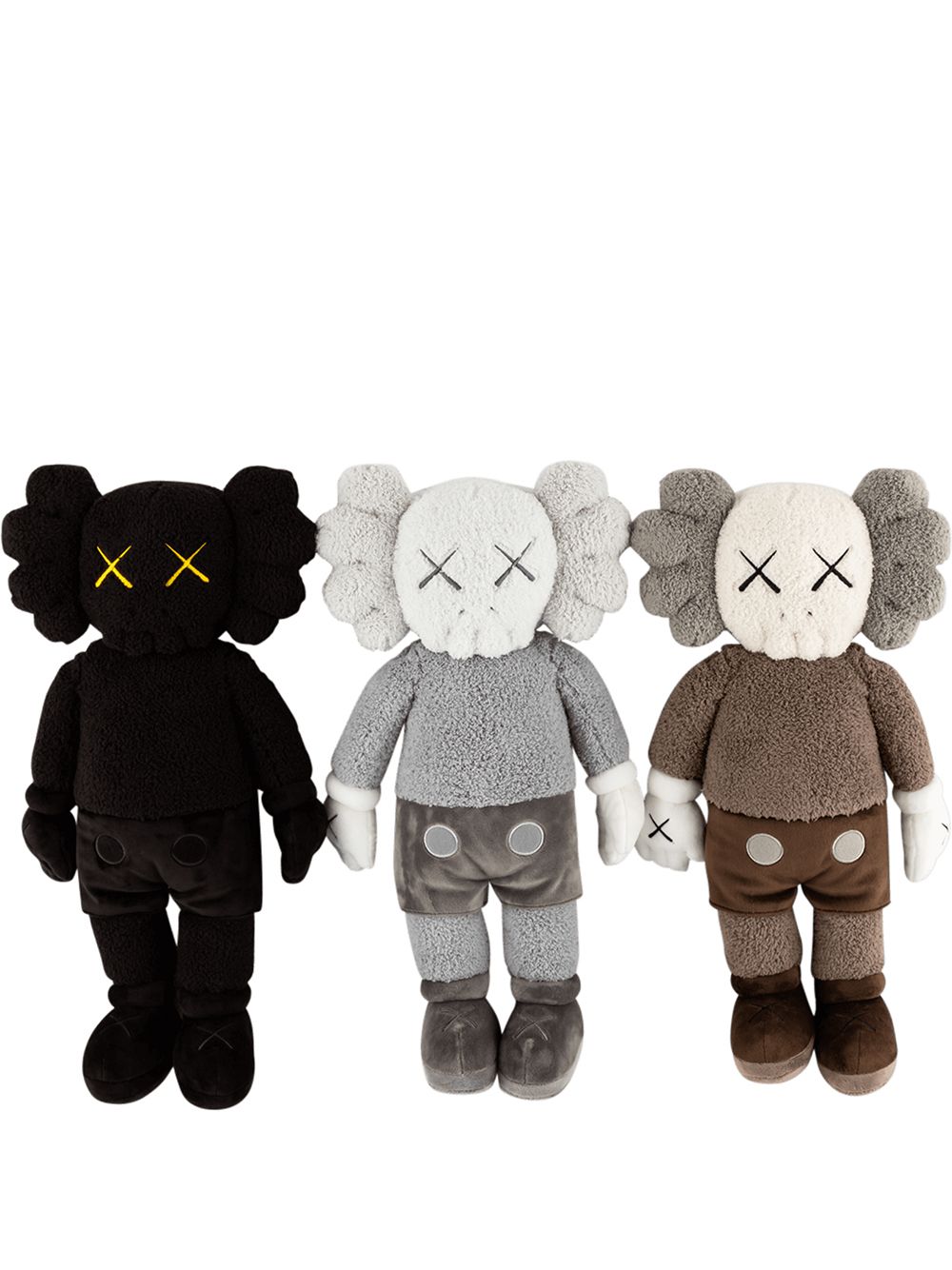
KAWS figures are the backbone of his commercial success and the most accessible entry point for collectors. These vinyl and resin sculptures range from small, affordable vinyl toys to large-scale, limited-edition resin pieces that command high prices on the secondary market. The Companion character, a skeletal figure with X’s for eyes, serves as the central icon across all formats, appearing in collaborations with brands like Supreme, Uniqlo, and Dior.
The Companion series drives the most activity in the KAWS art market. Early releases, such as the 2007 Companion in grey vinyl, are rare and highly sought after. More recent limited editions, often released through gallery drops or brand collaborations, frequently sell out instantly. The Companion figure has evolved from a simple toy into a complex cultural symbol, appearing in large-scale public installations and museum exhibitions worldwide.
Limited edition drops create scarcity and drive collector interest. These releases often feature unique colorways, materials, or sizes that distinguish them from standard retail figures. Collectors track these drops closely, as they represent the most valuable pieces in a KAWS collection. The secondary market for these items is active, with prices fluctuating based on rarity, condition, and provenance.
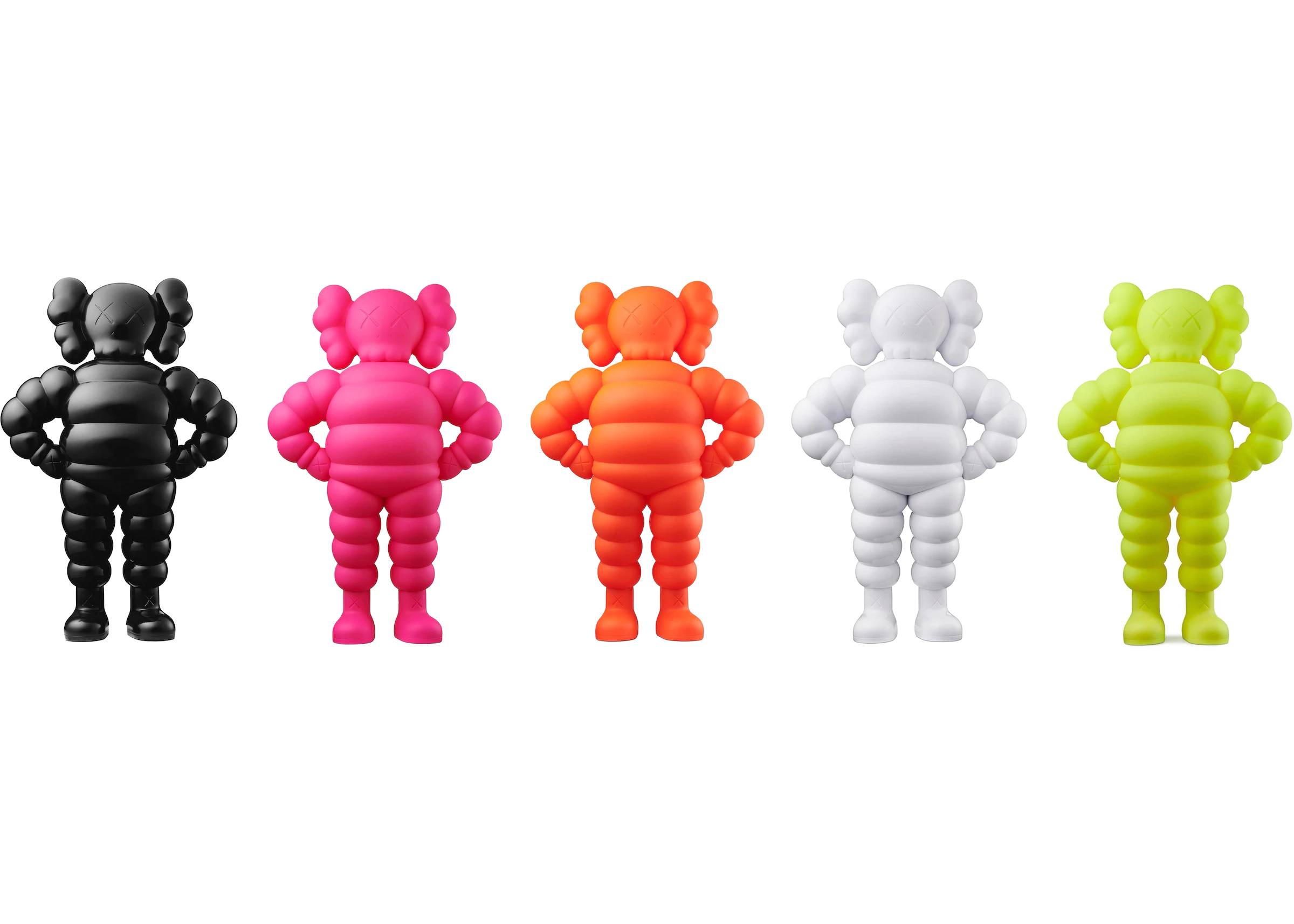
AmazonProductGrid is the primary tool for finding currently available KAWS figures. While limited editions sell out quickly, Amazon often carries a rotating selection of popular vinyl toys, holiday figures, and open-edition sculptures. This widget helps you find immediate purchase options for accessible pieces.
As an Amazon Associate, we may earn from qualifying purchases.
KAWS Prints and Wall Art
For collectors who want to bring KAWS’s visual language into their home without the museum-grade investment of original paintings, prints and canvas wall art offer the most accessible entry point. These pieces allow fans to display his iconic Companion figures and signature cross-eyed eyes in a way that fits modern interiors.
The market for KAWS wall art is broad, ranging from limited-edition screen prints that hold significant resale value to large-scale canvas prints designed primarily for interior decoration. Understanding the difference between these formats helps buyers decide whether they are looking for an investment piece or a statement decor item.
When comparing options, it is important to look at the medium, edition size, and typical price range. Limited edition prints from publishers like Miriam Schapiro or Humanoid are produced in small numbers, often featuring hand-signed details, which drives up their value. In contrast, gallery-quality canvas prints are usually produced in larger quantities and serve as high-impact decorative pieces rather than strict financial assets.
| Format | Medium | Edition Size | Typical Price Range |
|---|---|---|---|
| Screen Print | Giclée on paper | Limited (50-300) | $1,000 - $5,000+ |
| Canvas Print | Giclee on canvas | Open/Large Run | $200 - $800 |
| Framed Poster | Paper/Poster | Open | $50 - $150 |
| Original Painting | Acrylic/Enamel | Unique (1) | $10,000+ |


As an Amazon Associate, we may earn from qualifying purchases.
Screen prints remain the gold standard for serious collectors entering the secondary market. These works are typically produced using screen printing techniques, resulting in vibrant, solid colors that are characteristic of KAWS’s style. They often come with certificates of authenticity and may include hand-drawn elements by the artist, making them distinct from mass-produced posters.
Canvas wall art, on the other hand, is ideal for those who prioritize visual impact over investment potential. These pieces are often printed on high-quality canvas and stretched over wooden frames, ready to hang. They are available in a variety of sizes, from small 12x12 inch squares to massive 48x48 inch statements, allowing for flexible display in living rooms, bedrooms, or offices.
When purchasing, always verify the source. Official dealers and reputable auction houses provide provenance for limited editions, while general retailers offer decorative prints. Checking the edition number and signature details is crucial for ensuring you are getting the quality and authenticity that matches your budget and collecting goals.
Iconic KAWS Paintings to Know
KAWS paintings represent the highest tier of the artist’s market, commanding premium prices at auction and serving as the foundation for his broader commercial success. Unlike his mass-produced companions or vinyl figures, original canvas works are scarce, limited by the artist’s output and the physical constraints of studio production. This scarcity drives their value, making them significant assets for serious collectors.
The paintings often feature KAWS’s signature characters—Companion, Chum, and BFF—set against minimalist backgrounds or complex, layered compositions. These works bridge the gap between street art’s raw energy and contemporary fine art’s polished aesthetic. Auction houses like Sotheby’s and Christie’s have seen these pieces fetch millions, reflecting a sustained demand from institutional buyers and high-net-worth individuals.
For context, the 2021 Brooklyn Museum retrospective, The Big Review, highlighted the evolution of these large-scale works. The exhibition underscored how KAWS’s painting practice has remained central to his identity, even as his merchandise and collaborations have expanded into the mainstream. Understanding these canvas works helps collectors appreciate the provenance and artistic merit behind the more accessible prints and figures.
How to Spot Authentic KAWS Collectibles
The market for KAWS figures, prints, and paintings is saturated with counterfeits. Verifying authenticity is the most critical step before purchasing, as the financial stakes are high and the consequences of buying a fake are permanent. Authentication relies on three pillars: official packaging, unique serial numbers, and purchasing from reputable sources.
Verify the Serial Number
Every authentic KAWS Companion figure and many of his limited-edition sculptures feature a unique serial number. This number is typically embossed or printed on the base of the figure or on the accompanying certificate of authenticity. Check Base
Counterfeiters often miss this detail or print numbers that do not correspond to the specific edition. You can verify these numbers against official databases or the documentation provided by the original manufacturer, such as Medicom Toy or Bestfriends. If a seller cannot provide the serial number or if it appears stamped on with poor quality, treat the item with suspicion.
Inspect Packaging and Materials
Authentic KAWS collectibles come in high-quality packaging. The boxes are sturdy, with crisp printing and accurate color reproduction. Look for holographic stickers or specific security seals that are standard for the edition. The figures themselves should have clean paint application, with no smudges or misaligned parts. The vinyl or resin material should feel dense and substantial, not light or brittle like cheap plastic knockoffs.
Buy from Reputable Sellers
The safest way to acquire authentic KAWS art is through established channels. Authorized dealers, major auction houses like Christie’s, and reputable online galleries maintain strict vetting processes. While secondary markets like eBay or Facebook Marketplace can offer deals, they carry a higher risk of fraud. Always request clear photos of the serial number, the base, and the original packaging before making a purchase. If the price seems too good to be true, it almost certainly is.
Frequently Asked Questions About KAWS Art
Collecting KAWS involves navigating between mass-produced vinyl figures and limited-edition gallery works. Understanding these distinctions helps you choose pieces that fit your space and budget.
Is KAWS art a good investment?
KAWS pieces have shown strong appreciation, particularly for early Companion sculptures and signed paintings. While vinyl figures are more accessible, they rarely hold value like original artworks. Treat figures as decorative collectibles rather than financial assets.
Where can I buy authentic KAWS art?
Primary sources include gallery exhibitions and official brand collaborations with Supreme or Uniqlo. For secondary market pieces, reputable auction houses like Christie’s and Artsy list verified works. Always verify provenance before purchasing high-value items.
What is the difference between an edition and a unique piece?
Editions are numbered reproductions, such as vinyl figures or screen prints, produced in limited runs. Unique pieces are one-of-a-kind paintings or sculptures created directly by the artist. Editions are more affordable and widely available, while uniques command premium prices.
No comments yet. Be the first to share your thoughts!