

Why Kaws figures dominate the art toy market
KAWS figures occupy a rare space in the collectible world, bridging the gap between street art graffiti and high-end gallery sculpture. This unique positioning transforms vinyl toys into serious art investments, driven by the cultural weight of the Companion character. The blend of accessible street aesthetics with limited-edition scarcity creates a market dynamic that few other artists have replicated.
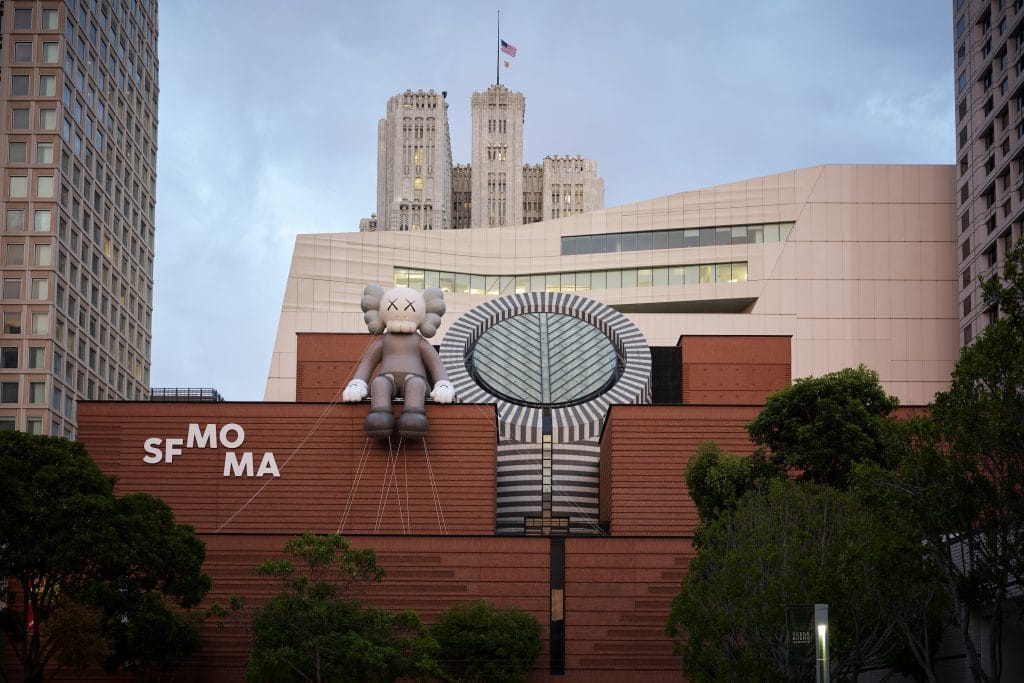
The appeal lies in the translation of KAWS’ visual language into physical form. Produced as editioned vinyl figures and sculptural works, these pieces are not merely merchandise but three-dimensional extensions of the artist’s mixed-media practice. This legitimacy is reinforced by major institutions; for instance, the San Francisco Museum of Modern Art has featured large-scale KAWS installations, signaling that these figures belong in the same conversation as traditional contemporary art.
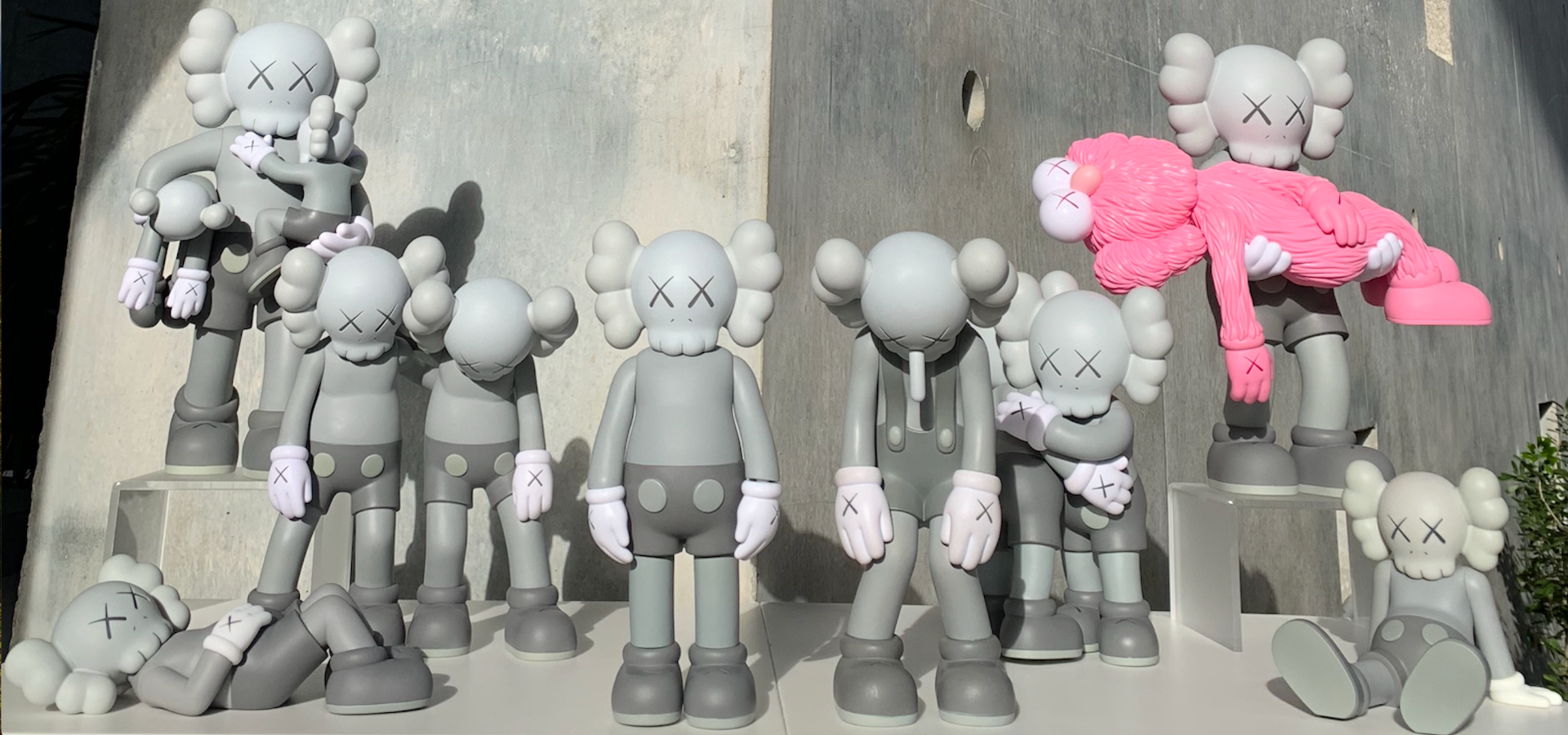
Collectors are drawn to this duality. The Companion character, with its iconic X-ed eyes and crossed fingers, serves as an instantly recognizable symbol of modern pop culture. Yet, the craftsmanship—ranging from fiberglass to bronze—elevates these objects beyond typical toy standards. This combination of emotional resonance and material quality ensures that KAWS figures remain at the forefront of the art toy market, offering both aesthetic pleasure and tangible asset value.
Top Kaws vinyl companions and limited editions
KAWS figures stand apart in the contemporary art toy market because they translate the artist’s signature visual language into tangible, three-dimensional objects. At their core, these pieces are built around recurring characters that bridge the gap between gallery sculpture and accessible collectible. For collectors, the appeal lies not just in the iconic silhouette, but in the specific edition history and the cultural weight each release carries.
The Kaws Companion is the undisputed anchor of the brand. Whether released in open editions or strictly limited drops, the Companion represents the artist’s most recognizable form. Collectors often prioritize figures with distinctive colorways or special collaborations, as these tend to hold their value better than standard releases. When evaluating a figure, the condition of the box is just as critical as the vinyl itself; mint-condition packaging often dictates resale potential.
Beyond the Companion, KAWS has produced a wide array of sculptures that range from small, affordable vinyls to large-scale, high-priced limited editions. These pieces often feature the artist’s signature "XX" eyes and crossbones, creating a cohesive aesthetic across different scales. Understanding the difference between a "GP" (General Public) release and a "LE" (Limited Edition) is essential for navigating the market and understanding the scarcity of each piece.
The following selection highlights some of the most sought-after Kaws vinyl companions and limited editions available for purchase. These selections represent a mix of iconic staples and highly desirable variants that define the current collecting landscape.
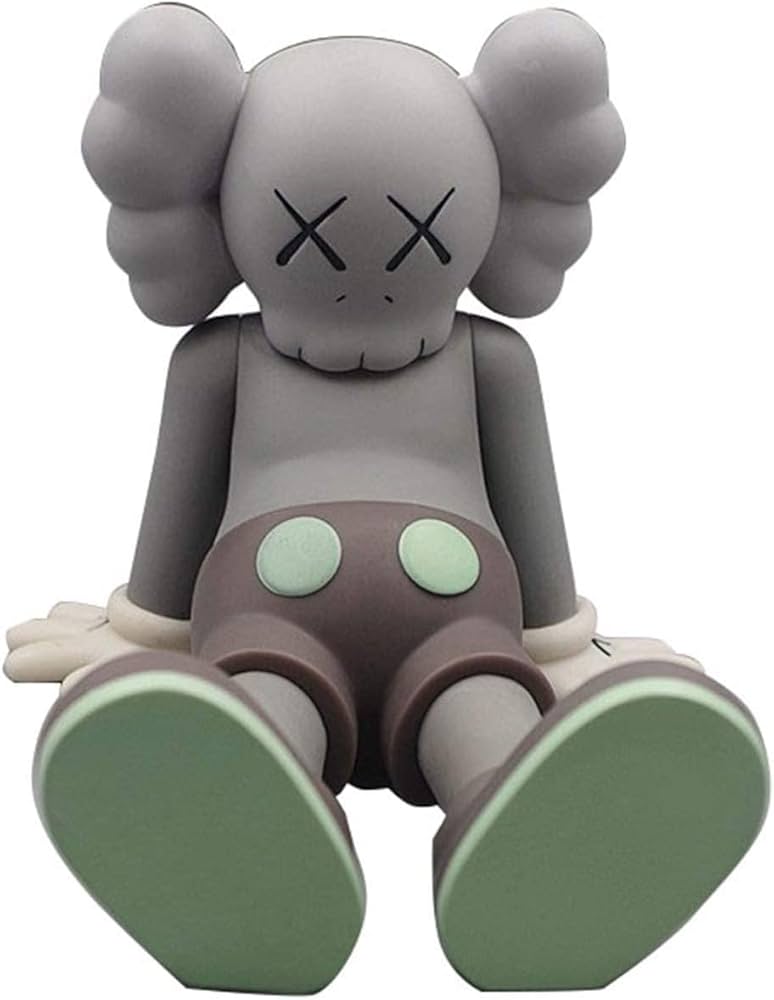
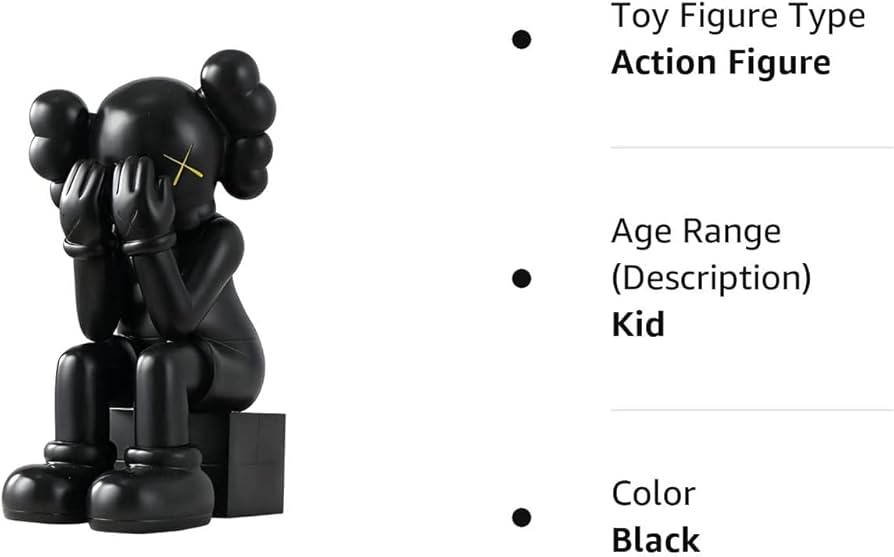
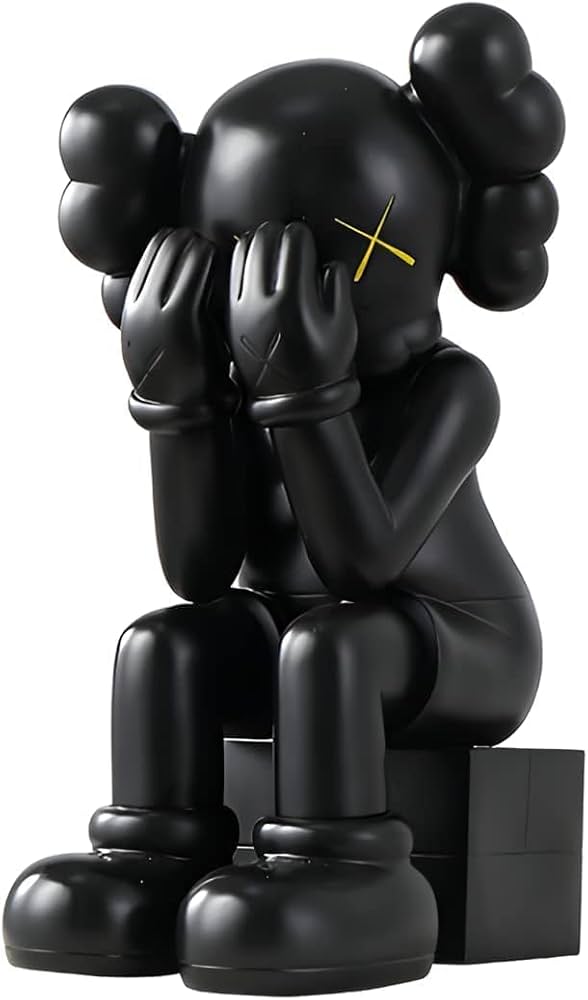
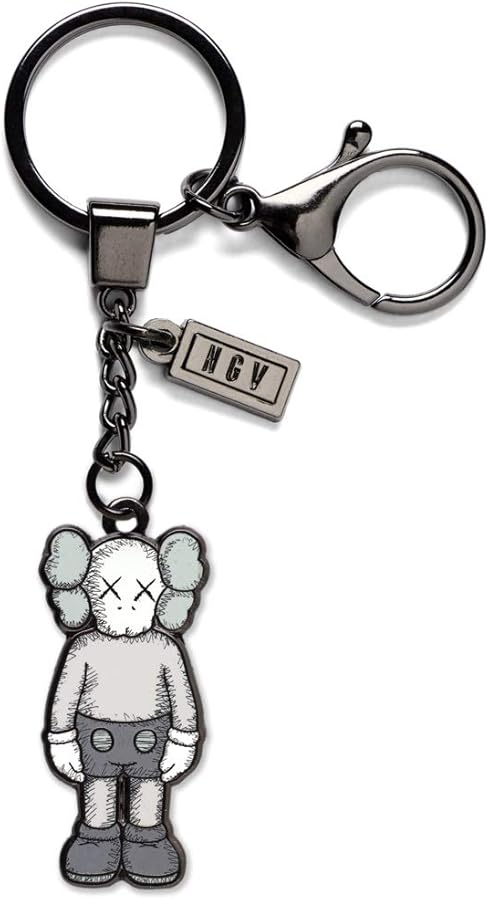
As an Amazon Associate, we may earn from qualifying purchases.
High-end Kaws sculptures and gallery pieces
The premium segment of the KAWS market moves beyond vinyl collectibles into large-scale sculptures and rare material works. These gallery pieces, often crafted from bronze, aluminum, or wood, serve as significant assets for serious investors. At their core, KAWS figures are three-dimensional works built around recurring characters, but the high-end tier translates this visual language into monumental physical form.
Pieces like the Seeing Black Lamp or Good Intentions Wood represent the intersection of design object and fine art sculpture. These works are produced in extremely limited editions, sometimes as artist proofs, driving their value well beyond the standard $200 entry point for smaller vinyl figures. The cost of these premium pieces can range from $5,000 to over $100,000, depending on size, material, and edition rarity.
| Piece | Material | Size Range | Edition Type | Market Tier |
|---|---|---|---|---|
| Seeing Black Lamp | Acrylic, Metal | Medium | Limited Sealed | High |
| Good Intentions Wood | Wood, Resin | Large | Artist Proof | Gallery |
| Companion Bronze | Bronze | 1-3m | Very Limited | Investment |
| Chum Vinyl | Vinyl, PVC | Small | Standard | Entry |
When acquiring high-end KAWS, authentication and provenance are paramount. Gallery pieces often come with certificates of authenticity and detailed edition histories. The market for these large-scale works is driven by scarcity and the artist's growing institutional recognition, making them a distinct category from standard streetwear collaborations.
How to spot authentic Kaws collectibles
The secondary market for Kaws figures is flooded with high-quality replicas, making authentication a critical skill for collectors. Because these vinyl sculptures command premium prices, verifying authenticity before purchase protects your investment. The process relies on examining specific manufacturing details that counterfeiters often miss.
Authentic figures feature clean, raised lettering on the bottom. The "KAWS" logo should be sharp and evenly spaced. Counterfeits often have blurry, shallow, or misaligned text due to lower-quality molds. Check for the specific font weight used in official releases.
Kaws figures are known for their distinct color palettes. Examine the eyes and accents closely. Authentic pieces have smooth, even paint coverage with no bleeding or smudging. Replicas often show visible brush strokes, uneven shading, or colors that are slightly off from the official release.
Official Kaws figures come with a specific hang tag attached to the head or arm. The tag should include the edition number, title, and barcode. Check the box for printing quality; authentic boxes have crisp graphics and accurate spelling. Missing or poorly printed tags are immediate red flags.
Genuine Kaws figures use high-density vinyl that feels substantial in hand. Counterfeits often use lighter, cheaper materials that feel hollow or flimsy. Compare the weight of the figure to known authentic examples if possible. The joints should also move with a firm, precise resistance.
When buying online, request high-resolution photos of the base, tags, and any unique markings. If the seller cannot provide clear images of these authentication points, proceed with caution. For high-value pieces, consider using a third-party authentication service or buying from reputable dealers with verified track records.
Frequently asked questions about Kaws art
What makes KAWS figures unique?
At their core, KAWS figures are three-dimensional works built around a recurring cast of characters, developed across mixed media. Produced as editioned vinyl figures, sculptural works, and design objects, they translate KAWS' visual language into physical form. Each piece is a tangible extension of his graffiti and painting practice, making them distinct from standard mass-produced toys.
How much do KAWS figures cost?
The cost of a KAWS figure varies depending on the size, edition, and rarity of the piece. Some smaller figures can cost around $200, while larger and more limited edition pieces can range from $5,000 to over $100,000. Prices fluctuate based on market demand and the specific collaboration, such as the limited edition @sacherhotels x KAWS series.
Are KAWS figures a good investment?
While some collectors view KAWS figures as long-term assets, their value is highly dependent on condition and rarity. Limited editions, such as those supporting NF Kinder, often appreciate due to their scarcity. However, the secondary market can be volatile, so buyers should prioritize pieces with strong provenance and original packaging.
No comments yet. Be the first to share your thoughts!