

Why Kaws art matters to collectors
KAWS (Brian Donnelly) blends graffiti roots with high-end gallery aesthetics, making his work accessible yet prestigious. For over two decades, the Brooklyn-based artist has bridged the worlds of art, popular culture, and commerce, creating a unique position in the modern collectible market [1]. His work does not merely reference street art; it elevates it into a tangible asset class that appeals to both traditional art buyers and contemporary design enthusiasts.
At the core of KAWS's appeal is the "Companion," a grey-scale figure with X-ed out eyes that has become the signature motif of his career. While the character draws inspiration from pop culture icons like Mickey Mouse, Darth Vader, and SpongeBob SquarePants, KAWS reinterprets them through a lens of melancholy and intimacy [2]. This emotional resonance transforms simple vinyl figures into sought-after art objects, driving demand across multiple price points.
The market for Kaws collectibles is robust because it operates on two parallel tracks. On one side, limited-edition vinyl figures and plush toys offer entry-level access for new collectors. On the other, large-scale sculptures and hard-edge paintings command six-figure sums at auction and in private sales. This dual structure ensures that Kaws remains relevant to a broad audience, from casual fans to serious investors.
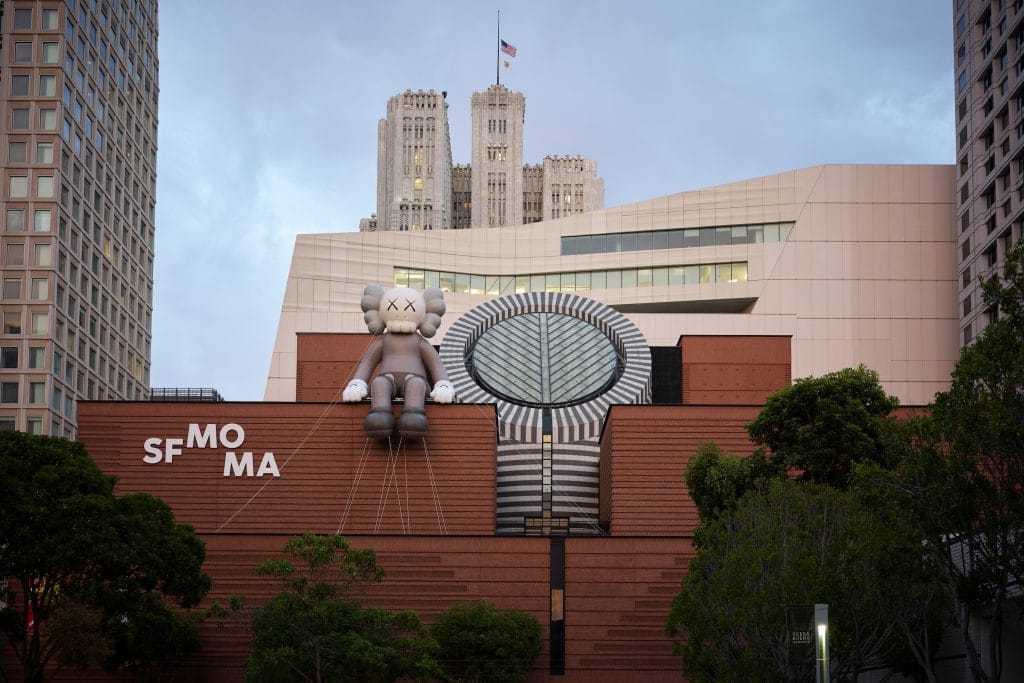
This versatility is what makes Kaws art collectibles such a compelling investment. Whether you are drawn to the playful nature of his smaller figures or the monumental scale of his gallery pieces, the brand’s consistent quality and cultural footprint provide a stable foundation for collecting. The image below captures the scale and presence of his work, highlighting why his pieces dominate public spaces and private collections alike.
The Companion Series
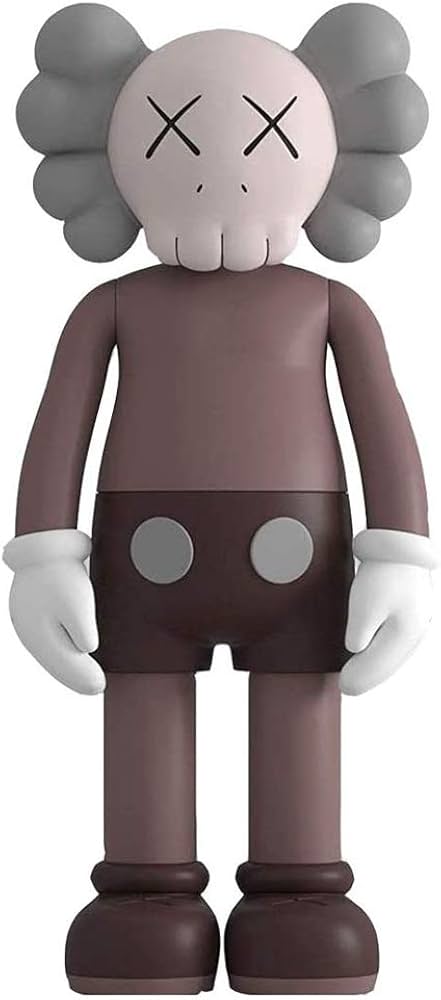
The Companion is the anchor of any Kaws collection, serving as the artist's most recognizable silhouette. This figure blends the soft, rounded curves of a classic cartoon mascot with Kaws' signature "X" eyes and crossed hands. It stands as a bridge between street art culture and high-end design, available in a wide spectrum of materials, finishes, and scales.
Collectors typically choose between the original vinyl releases and the larger, more detailed resin sculptures. The vinyl versions, often released in limited drops, are prized for their portability and vibrant colorways. In contrast, the resin figures offer a heavier, more museum-quality presence, making them ideal for dedicated display spaces. Whether matte black or translucent, each Companion carries a distinct weight in the secondary market.
The Companion's design is deceptively simple but culturally dense. It references mid-century toy aesthetics while subverting them through Kaws' deconstruction of familiar forms. This tension between nostalgia and modernity is what drives its enduring appeal. For those new to the genre, starting with a standard-sized Companion provides a clear entry point into understanding Kaws' visual language.
The Chum and Companion Variations
Beyond the standard grey Companion, the Chum series offers a more playful, chaotic energy. These figures often feature exaggerated proportions, mismatched limbs, or distressed textures that highlight the "ugly-cute" aesthetic Kaws is known for. The Chum Companion, in particular, twists the original design into something more grotesque and engaging, appealing to collectors who want to move away from the minimalist look.
These variations are not mere color swaps; they represent distinct sculptural challenges. The Chum figures often require more intricate detailing in the paint application and pose stability. Collectors appreciate these pieces for their rarity and the way they push the boundaries of the character's design. They serve as a counterpoint to the serene, almost meditative presence of the original Companion.
When evaluating these figures, attention to detail is paramount. Look for clean paint lines, solid weight, and accurate color representation. The secondary market values condition highly, so ensuring the figure is free from cracks or paint chips is essential for long-term investment. These pieces are less about static display and more about expressing a specific, edgy aspect of Kaws' artistic vision.


As an Amazon Associate, we may earn from qualifying purchases.
Comparing Kaws Prints and Paintings
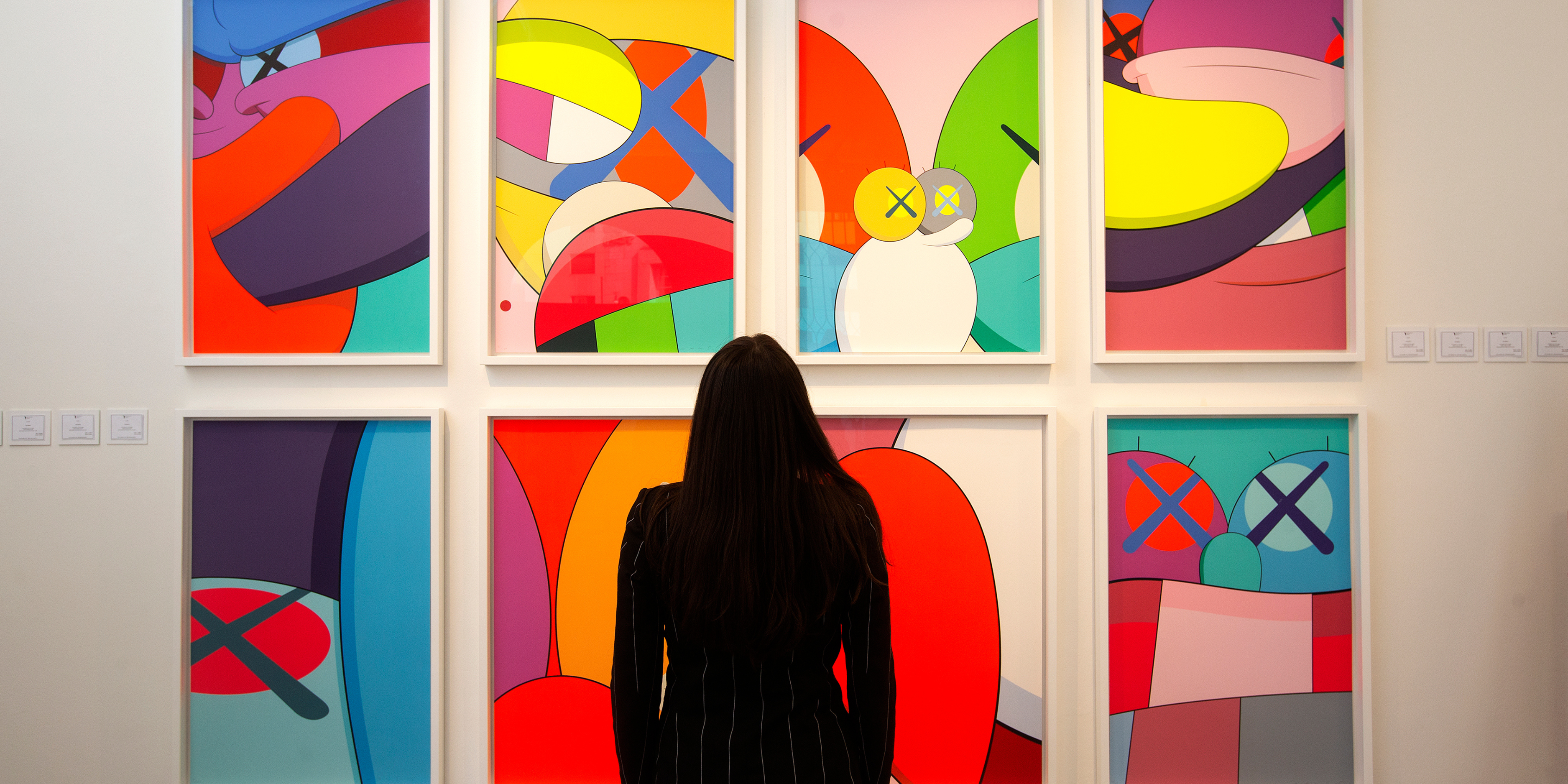
KAWS operates across two distinct market tiers that serve different collectors. On one end are screen prints, which offer the iconic Companion silhouette at an accessible entry point. On the other are original paintings, which represent the artist's hard-edge fine art practice and carry significant investment weight. Understanding the difference helps you choose based on budget and display space.
Screen Prints: Accessible Collectibles
Screen prints are the most common way to bring KAWS into a collection. Produced in limited editions, these works feature his signature X-ed out eyes and bold, graphic colors. They are printed on high-quality paper or canvas, offering a durable and visually striking piece that fits well in modern homes. While not original paintings, they are authenticated by the artist and hold steady value in the secondary market.
Original Paintings: High-Value Fine Art
Original paintings by KAWS are large-scale, hard-edge works that reflect his background in commercial design and fine art. These pieces are unique, one-of-a-kind creations that command prices in the hundreds of thousands or millions of dollars. They are intended for serious collectors and institutional buyers who have the space and capital for such significant acquisitions.
Side-by-Side Comparison
The table below breaks down the key differences between these two categories to help you decide which path aligns with your collecting goals.
| Feature | Screen Prints | Original Paintings |
|---|---|---|
| Medium | Screen print on paper/canvas | Acrylic/oil on canvas |
| Edition | Limited edition (e.g., 500-1000) | Unique (1 of 1) |
| Price Range | $1,000 - $10,000+ | $100,000 - $1,000,000+ |
| Investment Potential | Moderate, stable growth | High, subject to market trends |
| Display Space | Small to medium frames | Large, statement pieces |
How to spot authentic Kaws art
The Kaux market moves fast, and with that velocity comes a steady supply of counterfeits. Whether you are buying a vinyl figure, a print, or a large-scale sculpture, verifying authenticity is the only way to protect your investment. Kaws (Brian Donnelly) has become one of the most replicated artists in the contemporary scene, making a close inspection of physical details essential before any transaction.
Authentic Kaws pieces arrive in high-quality packaging. Look for the distinctive "KAWS" logo on the box, which should be crisp and centered. The label on the bottom of the box must include the specific model number, the edition size (e.g., 1/500), and the artist’s signature. Counterfeit boxes often feature blurry text, misspelled words, or generic barcodes that do not scan to the correct product.
Kaws figures are known for their smooth, uniform paint application. Run your finger along the seams of the figure; authentic pieces have minimal visible gaps or rough edges. The iconic "X" over the eyes should be perfectly symmetrical and cleanly painted. Fakes often show paint bleeding, uneven shading, or a plastic sheen that looks too cheap compared to the original vinyl or resin used by Kaws.
Most official Kaws releases include a holographic sticker on the box or the figure itself. This sticker is difficult to replicate accurately. Tilt it in the light to see the color-shifting effect. If the sticker is flat, lacks the holographic sheen, or has a low-resolution printed "KAWS" logo, it is likely a fake. High-end sculptures may also come with a certificate of authenticity signed by the artist or his studio.
Before buying, pull up high-resolution images of the specific edition from reputable dealers or the artist’s official website. Pay attention to the weight of the figure; authentic Kaws pieces are heavier due to the quality of materials used. If the item feels unusually light or hollow, it is a red flag. Cross-referencing details like the font on the base and the specific color gradients will quickly reveal discrepancies.
By focusing on these physical markers, you can filter out the vast majority of counterfeits. Always purchase from authorized retailers or trusted secondary marketplaces that offer authentication guarantees to ensure you are acquiring a genuine piece of Kaws history.
Where to buy Kaws art online
Finding authentic KAWS collectibles requires sticking to platforms that prioritize buyer protection and inventory depth. The market for his Companions, Chums, and limited-edition prints is fragmented, making the choice of retailer as important as the piece itself.
Artsy serves as a primary gateway for high-value acquisitions. As a curated marketplace connecting buyers with top-tier galleries, Artsy offers access to rare prints and original works from established dealers. This platform is ideal for collectors seeking fine art pieces with provenance, though it typically caters to higher budget tiers.
For broader access to toys, figures, and post-market prints, Dope! Gallery maintains one of the most extensive online inventories. They stock both open and limited editions of his most recognizable figures, including the Companion series. Their aggregation of stock from various distributors makes them a reliable source for mid-range KAWS art toys and posters.


As an Amazon Associate, we may earn from qualifying purchases.
When purchasing from third-party marketplaces, always verify the seller’s return policy and authentication guarantees. Avoid private sales without escrow services to mitigate the risk of counterfeit items, which are prevalent in the secondary market.
No comments yet. Be the first to share your thoughts!