

Who is kaws and why his art matters
Brian Donnelly, known globally as Kaws, began his career in the late 1990s as a graffiti artist in Jersey City, New York. Before gaining recognition in the fine art world, he modified characters in television commercials and magazine advertisements, inserting his own "Companion" figures into the scenes. This early intervention in commercial media established the foundation for his unique position in contemporary culture, where high art and mass commerce intersect seamlessly.
His signature Companion characters—often depicted as skeletal figures with X's for eyes—are instantly recognizable. These figures appear in everything from large-scale public sculptures to small vinyl toys. The transition from street artist to celebrated gallery painter has made Kaws one of the most commercially successful living artists. His work challenges traditional hierarchies between "high" art and consumer goods, making his collectibles highly desirable to both art collectors and toy enthusiasts.
The cultural significance of Kaws lies in this duality. He does not treat commercial collaborations as separate from his artistic practice; rather, they are integral to his output. This approach has led to partnerships with major brands like Nike, Uniqlo, and Dior. For collectors, this means that owning a Kaws piece is not just about acquiring a sculpture or print; it is about owning a piece of a broader cultural movement that blurs the lines between gallery and street.
Best Kaws vinyl figures and statues
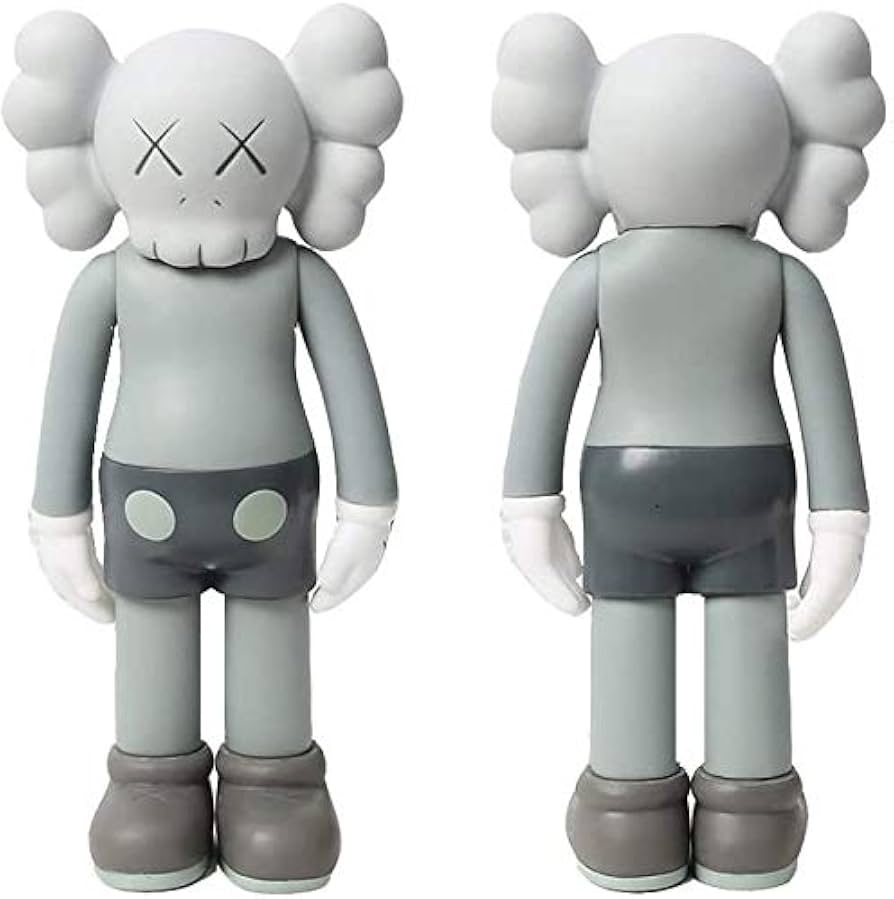
KAWS vinyl figures and statues are the most recognizable entry points into the artist's world. Brian Donnelly’s work centers on the Companion, a skeletal, cartoon-like character that has become a global symbol of contemporary street art. These pieces range from small, accessible desk companions to large-scale statues that command attention in any room. Collecting Kaws vinyl figures is less about abstract art theory and more about owning a piece of modern cultural history.
The Companion design is the backbone of Kaws’s output. Whether in a small 8-inch scale or a monumental 24-inch statue, the character’s crossed-out eyes and X-ed mouth are instantly identifiable. The vinyl material allows for durable, high-quality finishes that hold up well over time. For most collectors, starting with a Companion figure is the most practical way to build a collection.
Scale variations offer flexibility for different spaces. Smaller figures, often called "Companions," fit on shelves and desks, while larger statues serve as statement pieces. The material quality remains consistent across sizes, with detailed paint applications that highlight the character’s iconic features. Choosing the right scale depends on your display space and budget, but the visual impact is always strong.
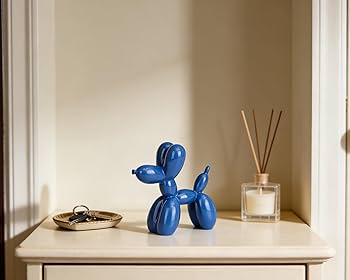
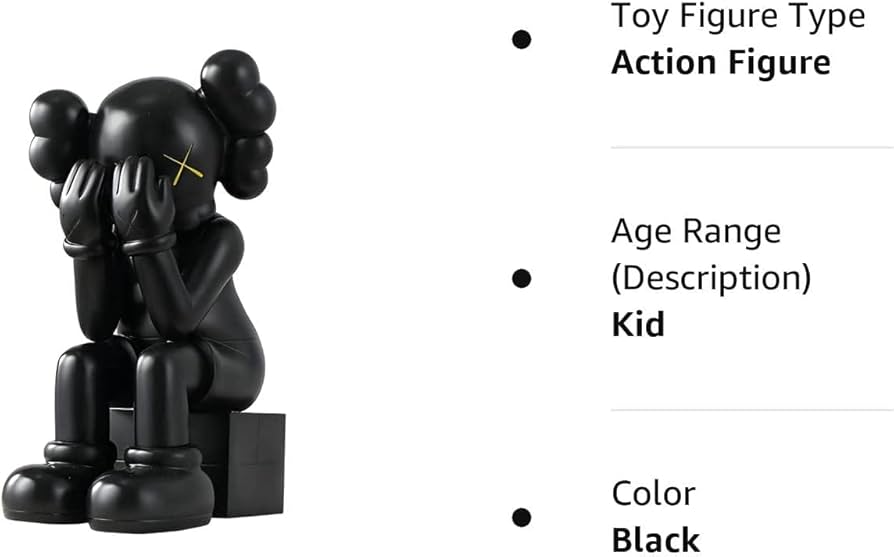
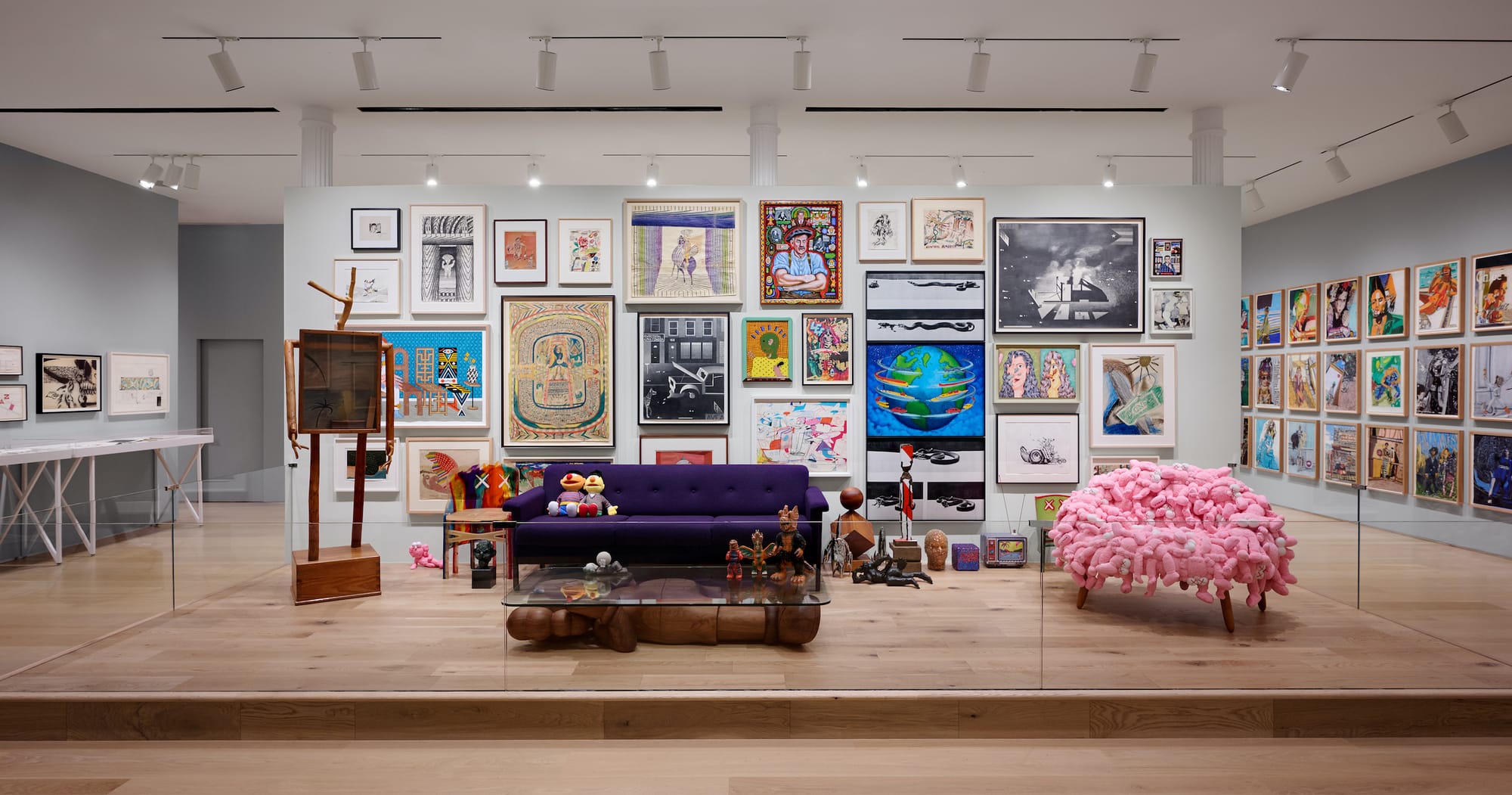
For years, KAWS kept his prolific collecting practice on the DL. Now he's giving us a peek at his monumental trove, showcasing how these figures fit into larger artistic narratives. Below, we highlight some of the most popular and accessible Kaws vinyl figures available for collectors.
As an Amazon Associate, we may earn from qualifying purchases.
Top Kaws prints and paintings for collectors
While vinyl figures dominate the streetwear conversation, KAWS’s fine art pieces represent a different tier of collecting. Screen prints and acrylic paintings offer a deeper engagement with his artistic evolution, moving beyond mass production into limited editions and original works. These pieces often carry higher value retention and appeal to collectors interested in the intersection of street art and gallery culture.
KAWS began his career as a graffiti artist in Jersey City, and his fine art work retains that raw, urban energy. His screen prints, such as the iconic Companion series, are produced in limited editions and often sell out quickly. These prints serve as accessible entry points for new collectors while maintaining significant artistic merit. Original paintings, however, are rarer and typically found through auction houses or specialized galleries like Georgetown Frame Shoppe, which curates signed original works.
The following table compares the primary categories of Kaws fine art collectibles, highlighting their typical market position and collector appeal.
| Art Type | Medium | Rarity | Collector Focus |
|---|---|---|---|
| Screen Print | Giclée or Lithograph | Limited Edition | Affordable entry to KAWS art |
| Original Painting | Acrylic on Canvas | One-of-a-Kind | High-value investment pieces |
| Sculpture | Vinyl or Resin | Limited Edition | 3D display and shelf presence |
| Mixed Media | Collage or Assemblage | Rare | Niche appreciation for technique |
When evaluating these pieces, consider the provenance and edition size. Limited edition prints are numbered and often signed by the artist, which adds to their value. Original paintings require careful authentication, so purchasing from reputable dealers or auction houses is essential. For those interested in acquiring these works, checking current price listings on platforms like Artsy or Amazon can provide real-time market data.
How to spot authentic Kaws art pieces
Counterfeits flood the secondary market for KAWS figures, prints, and collaborations. Because demand outpaces official production, verifying authenticity is the first step before buying. Use these checks to separate genuine releases from replicas.
Every official KAWS figure features a distinct companion seal on the base or back. Look for the signature "XX" eyes and the clean, stamped logo. Replicas often have blurred, misaligned, or missing seals. If the seal looks hand-painted or uneven, the piece is likely fake.

Most recent vinyl figures include a holographic authentication sticker on the packaging or the figure itself. This sticker shifts colors when tilted and contains unique serial numbers. Scan the QR code if present, or compare the hologram pattern against official KAWS release photos. Missing or static stickers are red flags.
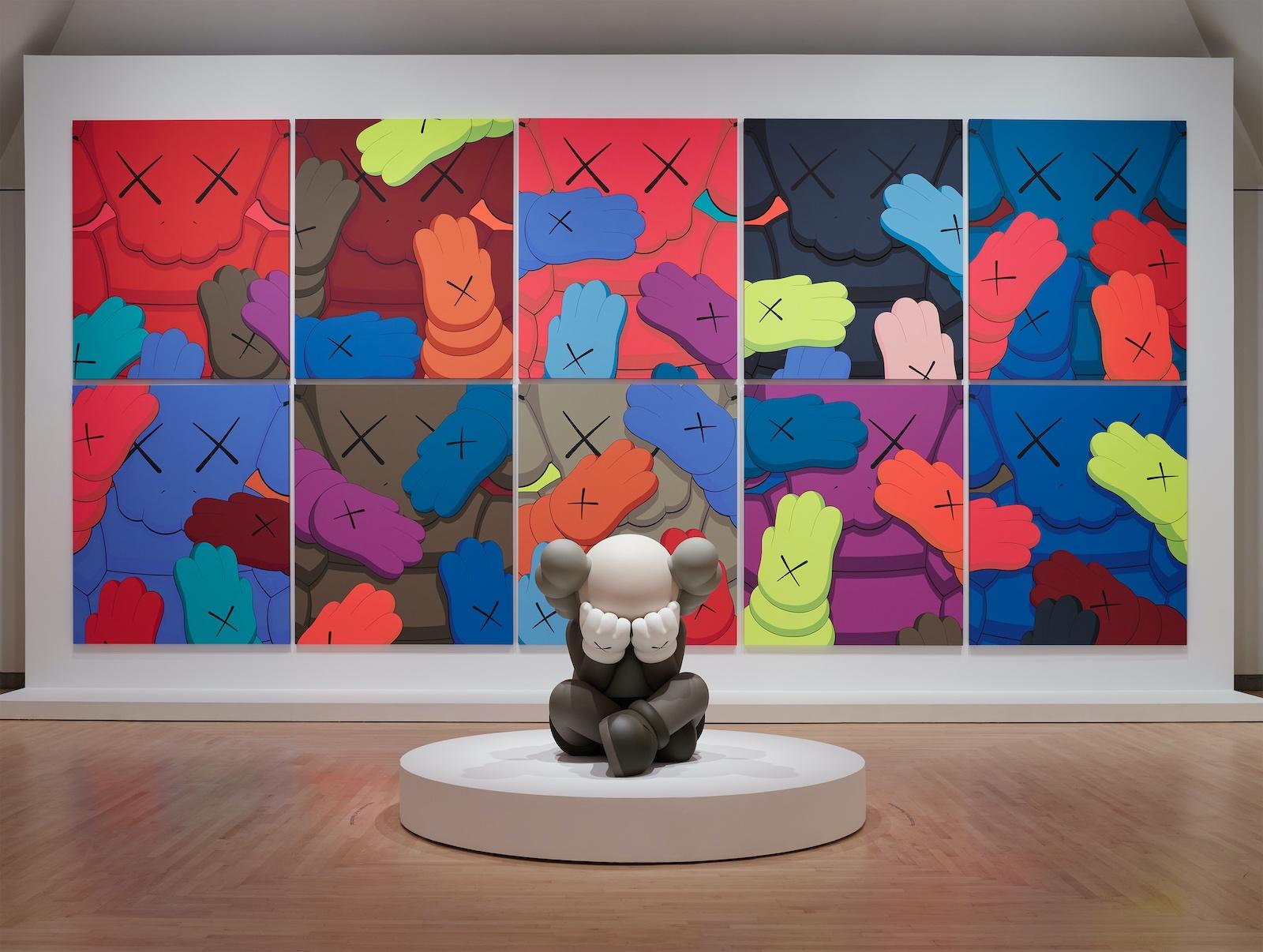
KAWS figures are known for precise paint application with no bleed lines or smudges. Check the joints and seams; authentic pieces have tight, clean connections. The vinyl should feel dense and smooth, not lightweight or brittle. Replicas often show excess glue, uneven coloring, or rough edges around the limbs.
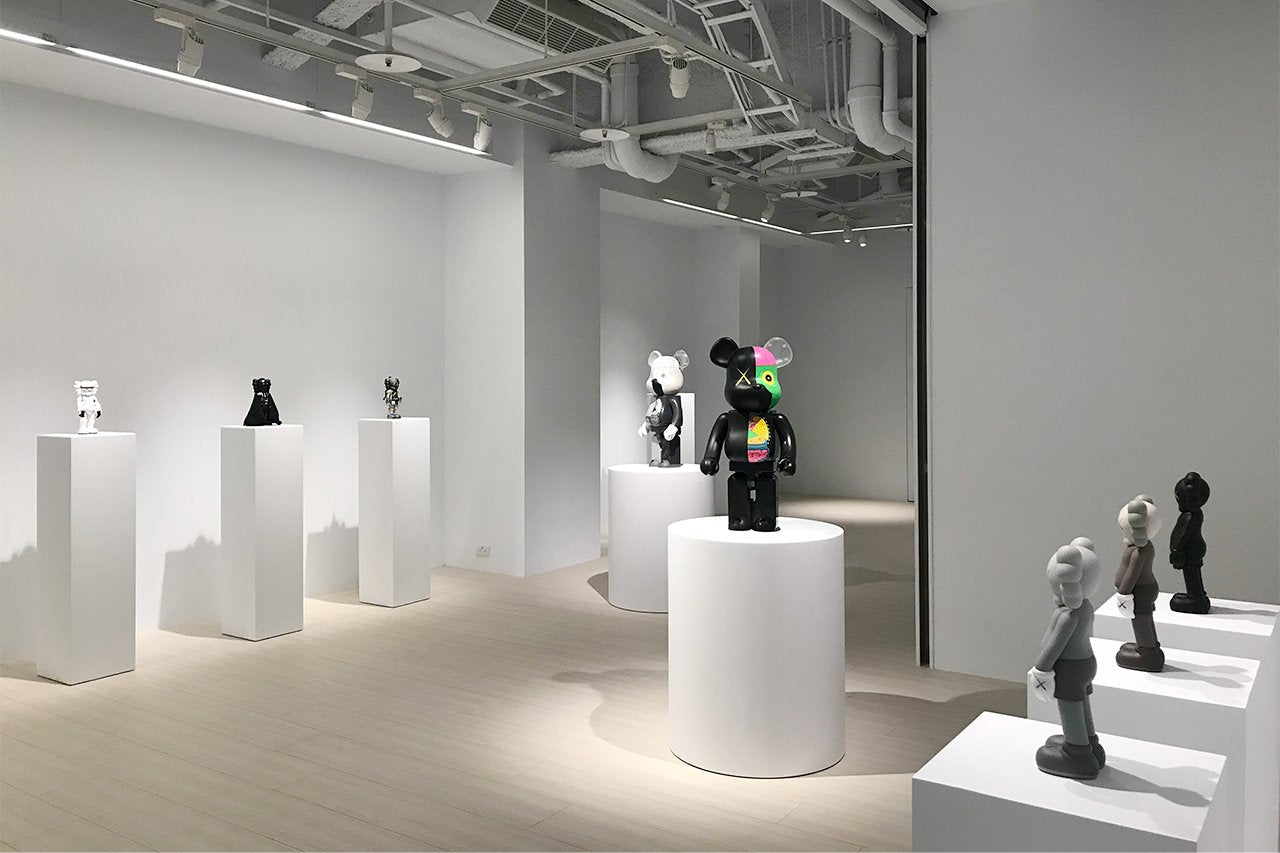
Original boxes feature high-quality printing with sharp text and accurate color reproduction. Look for the correct edition number, such as "1/500" or "ED 1/1000," printed clearly on the side. Counterfeit boxes often have typos, faded colors, or flimsy cardboard. Compare the box design to official press releases or gallery images from the release year.
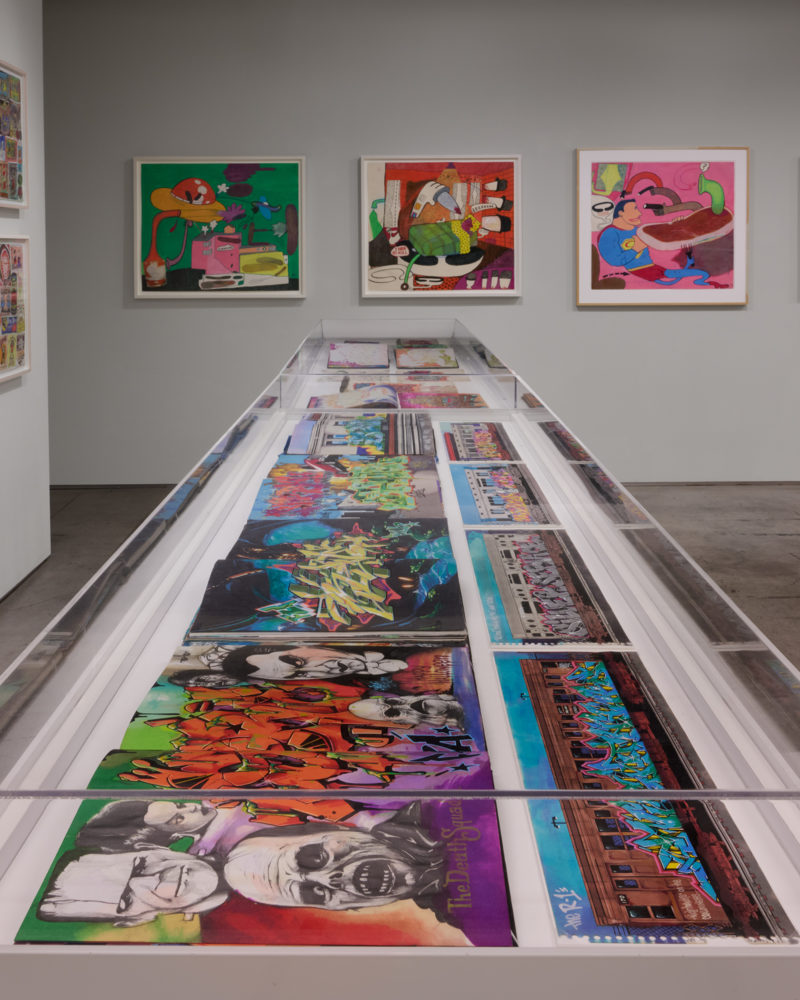
Buy from authorized retailers, reputable auction houses, or verified secondary market platforms that offer authentication guarantees. Ask for original receipts, certificates of authenticity, or proof of purchase. If the seller cannot provide documentation or the price seems too good to be true, walk away. KAWS art holds value, but only if it is genuine.
Where to buy Kaws art and collectibles
Securing authentic Kaws pieces requires navigating a mix of primary gallery releases and secondary marketplaces. For high-value original paintings, prints, and large-scale sculptures, established auction houses and specialized art platforms like Artsy provide verified provenance and detailed auction history. These channels are essential for collectors seeking investment-grade works, though they often involve higher entry costs and bidding processes.
For figures, vinyl toys, and limited-edition prints, dedicated streetwear and art toy retailers such as Georgetown Frame Shoppe and Dope Gallery offer curated inventories of new releases and hard-to-find sold-out editions. These platforms specialize in Kaws merchandise, ensuring authenticity for mid-tier collectibles that may not appear in traditional fine art auctions.
Amazon remains a reliable source for officially licensed Kaws figures and accessible prints. While selection fluctuates based on release cycles, the platform offers a straightforward purchasing experience for entry-level and popular mid-range items. Always verify seller authenticity and check current pricing, as availability shifts rapidly.

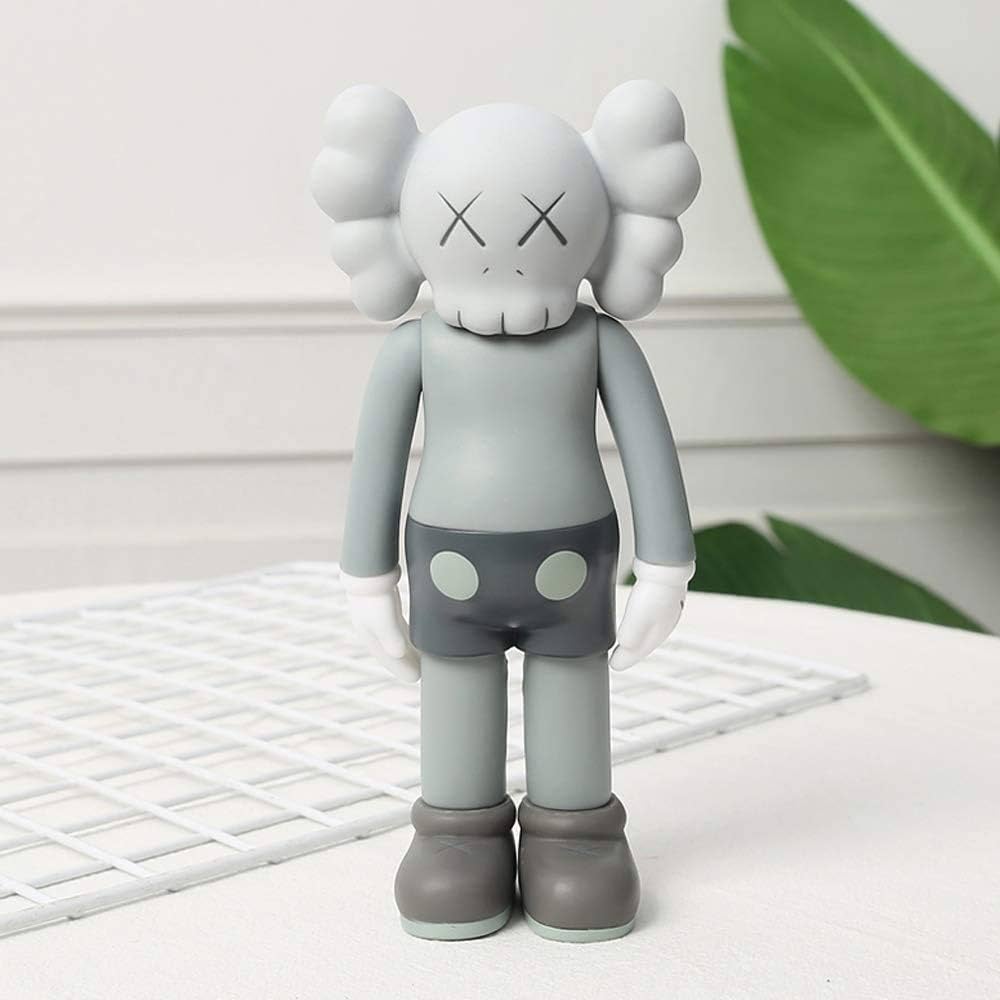
As an Amazon Associate, we may earn from qualifying purchases.
Common questions about Kaws art collecting
Collecting KAWS pieces involves navigating a unique blend of street art heritage and high-end contemporary design. Whether you are looking at vinyl figures or limited edition prints, understanding the market dynamics helps you make informed decisions about value and care.
How do I verify the authenticity of a KAWS piece?
Authenticity is critical because the secondary market for KAWS is vast. Genuine pieces typically come with a Certificate of Authenticity (COA) from the artist or authorized retailers like Dover Street Market or H&M collaborations. For vinyl companions, check the quality of the paint application and the clarity of the "XX" eyes; counterfeits often have blurry details or off-center features. Always buy from reputable sources that provide provenance.
Does KAWS art hold its value over time?
KAWS works have shown strong resilience, often appreciating in value due to limited production runs and high demand. Figures like Companion or The KAWS Album prints frequently sell out instantly, driving up resale prices on platforms like Artsy or specialized art marketplaces. While not every piece guarantees a return, established collaborations and rare sculptures tend to be the most stable investments in the contemporary art market.
How should I care for my KAWS collectibles?
Vinyl figures are durable but sensitive to direct sunlight, which can cause the white vinyl to yellow over time. Store your pieces in a cool, dry place away from UV exposure. For framed prints or paintings, ensure the glass is UV-protective and maintain stable humidity levels to prevent paper warping or canvas stretching. Regular dusting with a soft, dry cloth is sufficient for most surfaces.
No comments yet. Be the first to share your thoughts!